




01. Edit your form online
Type text, add images, blackout confidential details, add comments, highlights and more.

Type text, add images, blackout confidential details, add comments, highlights and more.

Draw your signature, type it, upload its image, or use your mobile device as a signature pad.

Send it via email, link, or fax. You can also download it, export it or print it out.
Form UBI-ES Instructions for Non-Profit Entities provide guidance for non-profit organizations required to submit the Unified Business Identifier (UBI) Estimated Payment. This form outlines the procedures and calculations necessary for estimated tax payments, helping non-profits ensure compliance with tax regulations. It is essential for non-profit entities to use this form to accurately report and pay estimated taxes, avoiding potential penalties and interest charges.
Non-profit entities must utilize Form UBI-ES to correctly estimate and pay taxes. This form ensures organizations meet tax obligations while avoiding penalties for underpayments. Utilizing the instructions helps non-profits manage finances effectively and maintain compliance with state and federal tax laws. It also provides a standardized method for calculating taxes, aiding in financial planning and operational budgeting.
Gather Required Information: Compile necessary financial data, including income and expenses, relevant to tax calculations.
Calculate Estimated Tax: Use the instructions to determine the organization's estimated tax liability based on projected income.
Complete the Form: Fill out the form with calculated figures, using designated sections for specific types of income and deductions.
Review & Verify Entries: Double-check all entries for accuracy to prevent errors that could lead to penalties.
Submit the Form: Follow submission instructions, choosing whether to file electronically or via mail, based on organization preference and capabilities.
Non-profit organizations, including charities, educational institutions, and cultural entities, typically use Form UBI-ES. These entities must calculate and pay estimated taxes to maintain tax-exempt status and meet regulatory requirements. Form UBI-ES is vital for any non-profit with incoming funds requiring annual reporting.
The IRS provides specific guidelines that non-profits must follow regarding tax payments and Form UBI-ES filing. These guidelines include:
Non-profits must adhere to strict filing deadlines for Form UBI-ES to avoid penalties. Key deadlines include quarterly estimated tax payments typically due in April, June, September, and January. Understanding these dates ensures the organization remains in compliance and avoids late payment fees.
Failure to comply with Form UBI-ES filing requirements may result in penalties, including fines for late or incorrect filings and interest on unpaid taxes. Non-profits risk losing their tax-exempt status if non-compliance is significant or persistent.
Organizations have the option to file Form UBI-ES digitally or via traditional paper methods. Digital filings can streamline the process through online platforms, providing real-time confirmation and reducing wait times. Paper versions may appeal to those with limited digital access, though turnaround times for processing may be longer.
We've got more versions of the Form UBI-ES Instructions for Non-Profit Entities form. Select the right Form UBI-ES Instructions for Non-Profit Entities version from the list and start editing it straight away!
At DocHub, your data security is our priority. We follow HIPAA, SOC2, GDPR, and other standards, so you can work on your documents with confidence.




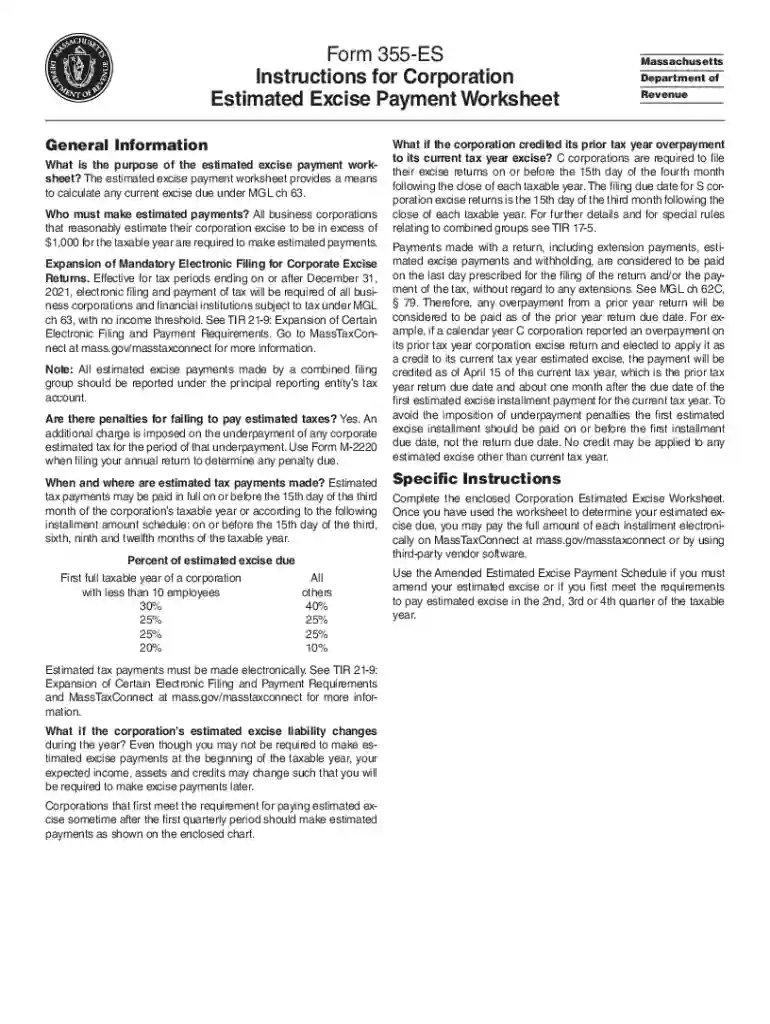
Form UBI-ES. Instructions for Non-Profit Entities Corporation. Estimated Tax Payment Vouchers. Massachusetts. Department of. Revenue. General Information. WhatRead more
ECOS is the national, non- profit, nonpartisan association representing the state and territorial environmental commissioners. Its mission is to serve as aRead more


