
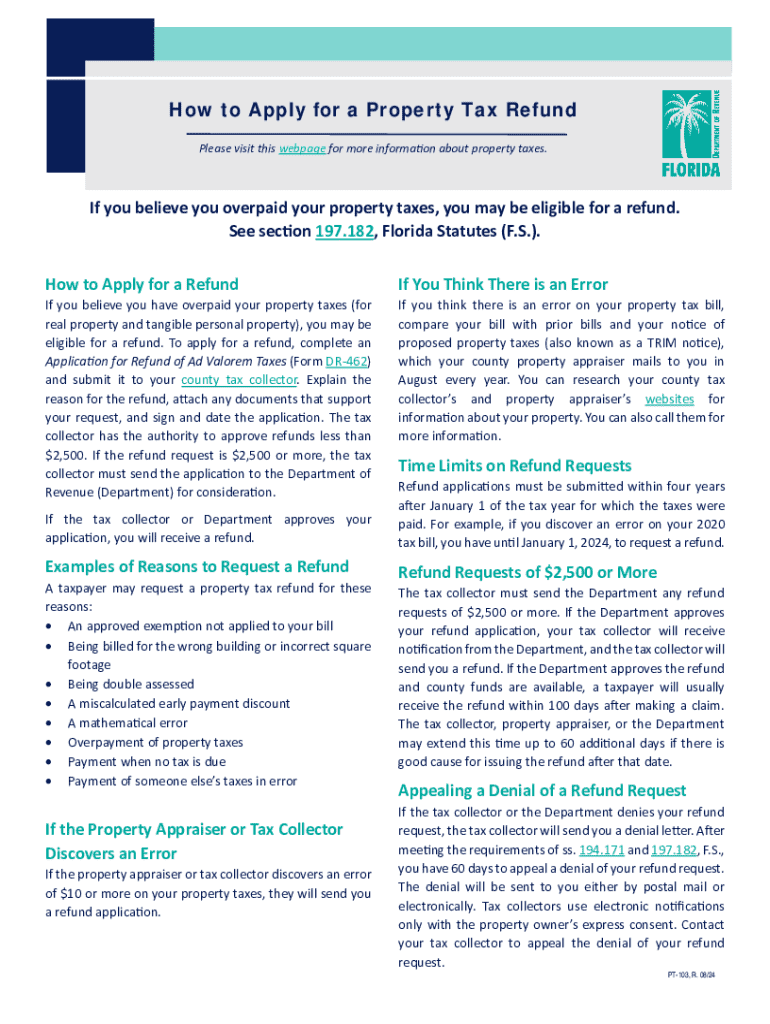







Definition and Meaning of the Refund Brochure
The refund brochure serves as a comprehensive guide for individuals and organizations seeking to process refunds efficiently. At its core, it delineates the steps and requirements for obtaining refunds, offering detailed insights into what constitutes a valid refund request. This document often includes legal references that outline consumer rights and obligations, ensuring claimants understand their entitlements and the procedural framework involved. By clarifying these definitions, the brochure acts as an essential resource for both consumers and businesses in navigating refund processes comprehensively.
Steps to Complete the Refund Brochure
Completing a refund brochure involves a structured approach to ensure all necessary information is clearly presented and legally compliant. Here's a step-by-step guide:
- Collect Personal Information: Gather details such as your full name, contact information, and any necessary identification numbers required for the refund process.
- Provide Purchase Details: Document the purchase date, the amount paid, and any reference numbers associated with the transaction—such as receipts or order numbers.
- Explain the Reason for Refund: Clearly articulate why you are requesting a refund. This may include defective products, incorrect services, or other valid reasons aligned with refund policies.
- Attach Supporting Documents: Include copies of receipts, email correspondence, photos of defective products, or any other relevant evidence that supports your refund claim.
- Select Method of Submission: Determine whether to submit the brochure online, via mail, or in person. Follow the specific instructions outlined in the brochure for each method.
- Review and Sign: Carefully review all filled sections for accuracy and completeness before signing the document and making copies for your records.
Eligibility Criteria for Using the Refund Brochure
Understanding eligibility is crucial for efficiently processing a refund request using the brochure. Generally, eligibility hinges on factors specific to the nature of the refund request, such as:
- Purchase Date: Refund requests often have a limited window for eligibility, which means that claims must be filed within a set timeframe following the purchase.
- Condition of Product/Service: Depending on the policy, returned products may need to be unused and in original packaging, except in cases of defects or errors on the provider's part.
- Document Requirements: Eligibility typically includes the submission of all required documentation, such as receipts or order confirmations, ensuring that the refund request is substantiated.
- Policy Adherence: Some refund policies require adherence to specific terms and conditions outlined by the retailer or service provider to qualify for a refund.


How to Use the Refund Brochure Effectively
Utilizing the refund brochure effectively necessitates a clear understanding of its contents and purpose. Here are strategic ways to optimize its use:
- Read Thoroughly: Carefully read the entire brochure to familiarize yourself with the process, requirements, and conditions necessary for a successful refund.
- Note Important Sections: Pay close attention to sections outlining key deadlines, necessary documentation, and specific instructions—this ensures no steps are overlooked.
- Organize Documents: Keep all required documents in order to streamline the process when filling out details in the brochure.
- Seek Clarifications: Reach out to customer service or the relevant body if any part of the brochure is unclear or if you encounter terms you do not understand.
Who Typically Uses the Refund Brochure
The refund brochure is a tool predominantly used by consumers and businesses requiring refunds for products or services. Specific demographics include:
- Individual Consumers: Individuals seeking refunds for personal purchases, such as defective or misrepresented products.
- Small Businesses: Owners of small businesses who need to process refunds as part of their customer service operations.
- Corporate Entities: Larger corporations involved in transactions necessitating refund claims due to supplies or services not delivered as agreed.
- Non-Profit Organizations: These groups may utilize brochure guidelines when dealing with donations or service transactions requiring refunds.

Form Submission Methods
Understanding the preferred method of submission can simplify the refund process. The major methods include:
- Online Submission: Common for ease and speed, allowing claimants to submit their requests through dedicated portals or by email.
- Mail Submission: Involves sending completed brochures along with supplementary materials to a specified postal address.
- In-Person Submission: Allows individuals to hand-deliver documents to a company’s office, ensuring personal attention and immediate acknowledgment.
Software Compatibility
The refund brochure's electronic version is often compatible with various software, making it easier to manage, edit, and submit. These may include:
- PDF Editing Tools: Many brochures are available in PDF format, supporting platforms like Adobe Acrobat and DocHub for easy editing and signing.
- Document Management Software: Integrations with tools such as Google Workspace enable seamless access and sharing within professional environments.
- Tax Software: For financial-related refunds, compatibility with platforms like TurboTax or QuickBooks can facilitate proper documentation within tax filings.
State-Specific Rules for the Refund Brochure
Refund policies and procedures can vary significantly across different states due to local regulations. Some considerations include:
- State Consumer Protection Laws: These laws dictate the requirements and rights associated with refund processes, offering protections that may allow for extended periods or specific conditions for refunds.
- Sales Tax Refunds: Different rules may apply regarding refunds involving sales tax, requiring specific documentation or procedures.
- Industry-Specific Regulations: Certain industries, such as healthcare or education, may have unique refund procedures set by state regulations.
By understanding state-specific rules, individuals can ensure their refund requests are processed in compliance with local regulations, minimizing the risk of claims being denied due to procedural errors or misunderstanding of legal stipulations.




