
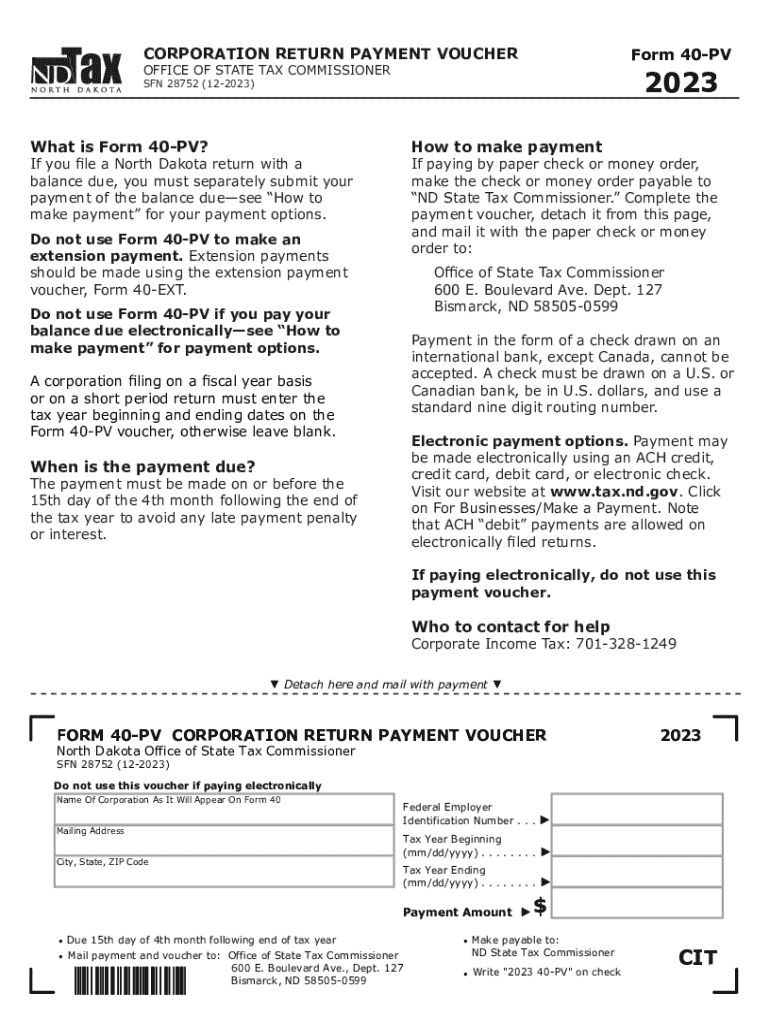







Definition & Meaning
North Dakota Small Business Taxes: The Employer's guide is a comprehensive resource for employers in North Dakota to understand their tax obligations. This guide encompasses the tax liabilities, filing requirements, and compliance measures necessary for small business owners to adhere to state tax laws. It provides detailed information on various tax components, including employer withholding taxes, unemployment insurance taxes, and other state-specific taxes that businesses must pay.
Key Elements of the North Dakota Small Business Taxes: The Employer's
Several critical elements are integral to the guide:
- Employer Withholding Taxes: Outlines how businesses must withhold state income tax from employees’ wages.
- Unemployment Insurance Taxes: Details the contributions businesses must make to the state’s unemployment insurance fund.
- Sales and Use Taxes: Lists any taxes that businesses must report for sales made within the state.
- Tax Credits and Incentives: Describes any available credits or incentives that can reduce the overall tax liability.
How to Use the North Dakota Small Business Taxes: The Employer's
Employers can use this guide to complete their state tax filings accurately:
- Review all sections relevant to the type of tax your business is subject to.
- Utilize the examples provided to ensure a correct understanding of tax calculations.
- Follow the step-by-step process for filling out and submitting each tax form required by the state.
Important Terms Related to North Dakota Small Business Taxes: The Employer's
Understanding specific terms can help clarify the requirements:
- Withholding Allowance: The amount exempt from wage taxation, affecting the calculation of withheld taxes.
- Tax Year: The period for which tax returns are prepared, typically a calendar year for most businesses.
- Gross Income: The total revenue received before any deductions or allowances.
Steps to Complete the North Dakota Small Business Taxes: The Employer's
Completing the required tax forms involves several key steps:
- Gather Necessary Information: Collect all financial records, including payroll and previous tax documentation.
- Calculate Employee Withholdings: Use the state’s published tables to determine the correct amount.
- Report and Pay Taxes Due: Compile reports and submit all payments to the appropriate state agency.
Filing Deadlines / Important Dates
- Quarterly Reporting: Most taxes require quarterly filings. The deadlines usually fall on the last day of the month following the end of a quarter.
- Annual Filings: Year-end summaries and payments typically have a deadline in March or April of the following year.
Examples of Using the North Dakota Small Business Taxes: The Employer's
- Scenario 1: A small retailer needs to report sales tax collected during the holiday season. They follow the guide’s section on sales tax to calculate and remit the correct amount by the quarterly deadline.
- Scenario 2: A construction company calculates the unemployment insurance tax for seasonal workers and uses specific examples provided to determine the total tax liability.
Why Should You Use North Dakota Small Business Taxes: The Employer's
Using this guide ensures businesses remain compliant with state laws, avoid penalties, and maximize their tax efficiency. By adhering to the outlined procedures, businesses can streamline their tax filing process, accurately manage their financial responsibilities, and take advantage of any applicable state tax credits.
State-Specific Rules for the North Dakota Small Business Taxes: The Employer's
North Dakota imposes unique tax rules that differentiate its requirements from other states:
- Exemption Levels: Specific income levels trigger different withholding rates for employees.
- Incentive Programs: North Dakota offers unique incentives for hiring veterans or investing in sustainable energy solutions within the state.
Penalties for Non-Compliance
Non-compliance with North Dakota’s tax obligations can result in severe penalties:
- Fines and Interest: Late payments incur fines and interest charges based on the tax due.
- Legal Action: Repeated failures to comply may lead to legal action, including liens or business license revocation.
By understanding and leveraging the comprehensive details provided in the North Dakota Small Business Taxes: The Employer's guide, businesses can efficiently manage their tax obligations and maintain compliance with state requirements.




