Definition & Meaning
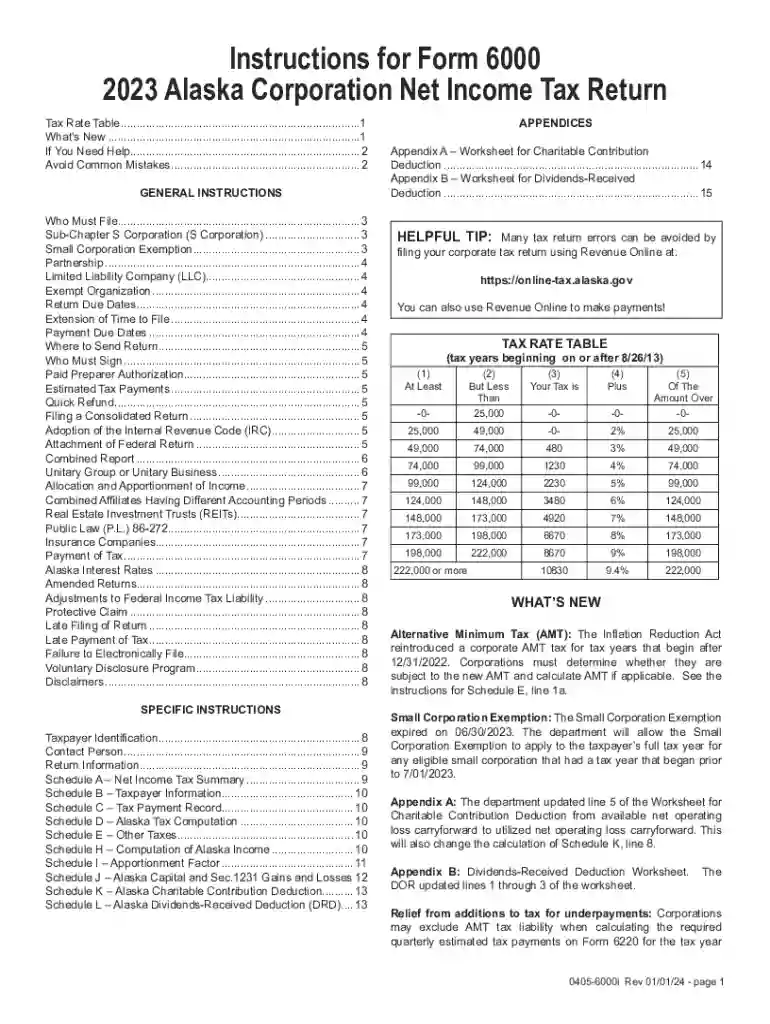
The "tax Alaska programs" refer to state-specific tax initiatives and incentives designed to support various sectors within Alaska. These programs can encompass a wide range of financial incentives, tax credits, and deductions available to businesses and individuals. Their primary purpose is to stimulate economic growth, support local industries, and provide relief to eligible taxpayers within the state. Understanding the intricacies of these programs is crucial for maximizing benefits and ensuring compliance with state tax regulations.
How to Obtain the Tax Alaska Programs
To access the tax Alaska programs, taxpayers need to identify the specific incentives they are eligible for. Typically, individuals or businesses must file specific forms that correspond with the desired program or credit. Applications can often be completed through the Alaska Department of Revenue's website, where additional guidance and resources are available. Some programs may require initial eligibility screening or documentation, such as proof of residency, business operation certifications, or other qualifying documents. It's vital to check current eligibility requirements and procedures, as they can change frequently.
Steps to Complete the Tax Alaska Programs
- Determine Eligibility: Assess your or your business's qualifications for specific Alaska tax programs.
- Gather Required Documents: Collect necessary documentation such as tax returns, identification, and other relevant financial records.
- Complete Application Forms: Fill out required forms following detailed instructions provided by the Department of Revenue.
- Submit the Application: Submissions can often be made online, ensuring timely receipt and processing. Some may require mailing or in-person submission.
- Review and Confirmation: After submission, review confirmation details and monitor any correspondence from tax authorities for updates or additional requirements.
- Maintain Records: Keep copies of all submitted forms and supporting documents for future reference and potential audits.
Important Terms Related to Tax Alaska Programs
- Tax Credit: A dollar-for-dollar reduction in a taxpayer's liability that can result from participation in a tax program.
- Deduction: An allowance that lowers taxable income, potentially reducing the overall tax owed.
- Exemption: A provision that allows certain income to be excluded from taxation.
- Incentive: A financial or regulatory benefit designed to encourage specific behavior or activities, such as investment or job creation.
Key Elements of the Tax Alaska Programs
Understanding the key elements of tax Alaska programs is essential for navigating them effectively:
- Eligibility Requirements: Specific criteria must be met to qualify for various programs, often including residency or specific economic activities.
- Application Procedures: Detailed processes must be followed to apply for credits or deductions, including specific paperwork and deadlines.
- Compliance Obligations: Ongoing requirements to maintain eligibility, such as annual renewal applications or periodic reporting obligations.
State-Specific Rules for the Tax Alaska Programs
Each program may have unique rules that are specific to Alaska’s tax code:
- Local Adaptations: Programs often consider state-specific economic conditions and priorities, affecting how they are structured and implemented.
- Regulatory Oversight: The Alaska Department of Revenue administers these programs under state law, ensuring compliance with statutory mandates.
- Changes and Updates: State fiscal policies can introduce changes to existing programs or create new ones, requiring proactive monitoring by participants.
Examples of Using the Tax Alaska Programs
- Small Business Jobs Tax Credit: Aimed at encouraging job creation by providing credits for every new hire within qualifying small businesses.
- R&D Tax Incentives: Offers financial relief to companies engaged in research and development activities that promote technological advancement and innovation.
- Renewable Energy Credits: Supports eco-friendly businesses by providing tax credits for producing renewable energy within Alaska.
Filing Deadlines / Important Dates
Being aware of critical deadlines is crucial to ensure compliance and maximize benefits:
- Annual Filing Deadlines: Often coincide with federal tax filing deadlines but vary depending on the program.
- Quarterly Reporting Requirements: Some programs demand periodic updates to maintain eligibility throughout the fiscal year.
- Application Periods: Specific timelines are set for submitting applications for credits or deductions, failing which taxpayers may miss out on benefits.
Penalties for Non-Compliance
Non-compliance with tax Alaska programs can lead to:
- Financial Penalties: Fines or interest charges for failing to adhere to program rules or meet filing deadlines.
- Loss of Benefits: Ineligibility for future credits or requirements to repay benefits received if compliance standards are not met.
- Legal Actions: Potential legal consequences if violations are deemed intentional or egregious.
Digital vs. Paper Version
Understanding the differences between filing methods is essential for efficiency:
- Digital Filing: Online platforms streamline submission processes, reduce errors, and provide immediate confirmation.
- Paper Filing: Traditional mail submissions are still accepted by some programs but may involve longer processing times.
- Hybrid Models: Some submissions may begin online but require supplementary paper documentation.
Disclosure Requirements
Alaska tax programs may require specific disclosures:
- Financial Data: Detailed income or expenditure reports to verify eligibility.
- Personal Information: Accurate information on applicants to prevent fraud and ensure compliance.
- Business Operations: Proof of qualifying business activities or investments for program eligibility.