
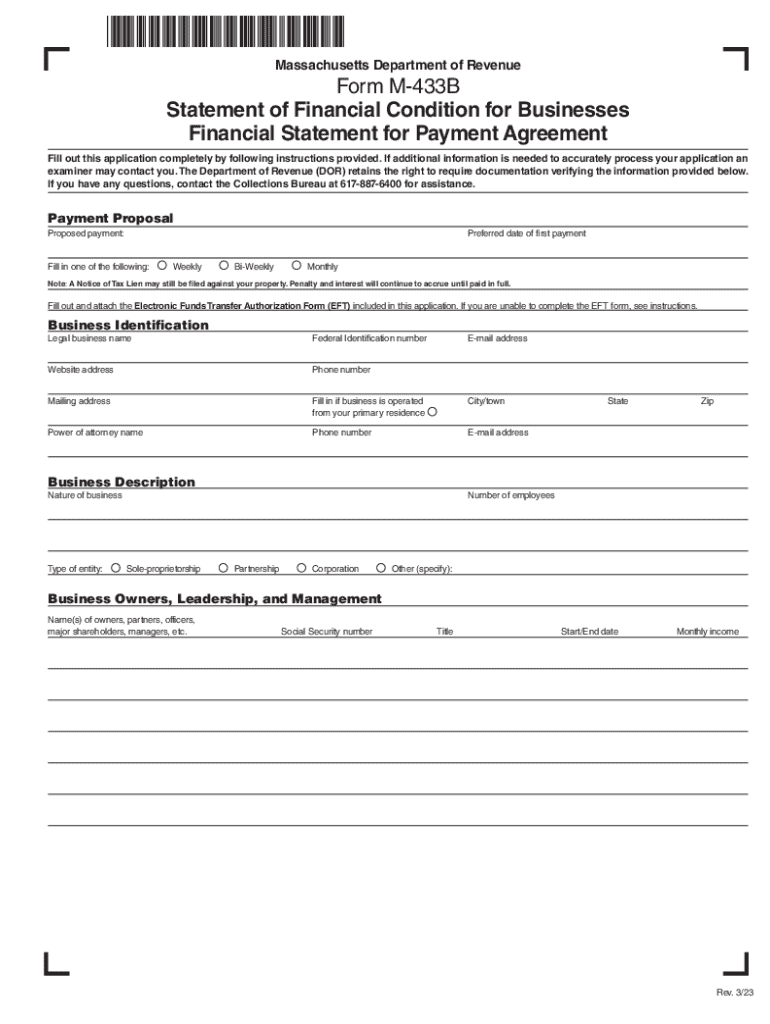




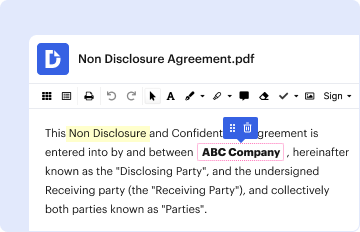
Understanding the Concept of Form Online
Forms are a fundamental part of many personal and business tasks, and completing them online adds a level of efficiency and convenience. The term "form online" refers to the digital method of creating, distributing, and submitting forms through internet platforms. This digital approach offers quick access, faster processing, and increased accuracy, eliminating the need for manual paperwork handling. Whether for legal, financial, or personal purposes, online forms are becoming increasingly prevalent due to their accessibility and broad range of applications.
Steps to Complete the Form Online
-
Access the Form: Begin by navigating to the official website or platform where the form is hosted. Ensure your internet connection is stable to prevent any disruptions during the process.
-
Fill Out Required Fields: Carefully input your information into the mandatory fields marked with an asterisk. Use drop-down menus, checkboxes, and text fields as required.
-
Attach Documents: If additional documents are required, ensure they are digitized and ready for upload. Common formats include PDF, DOC, and image files.
-
Review Your Information: Double-check all entered data for accuracy and completeness to avoid submission errors or rejections.
-
Submit the Form: Once satisfied with your input, submit the form through the designated button. You may receive a confirmation screen or email verifying successful submission.
Advantages of Using Forms Online
-
Efficiency: Online forms streamline data entry, reducing the time spent on manual documentation.
-
Accessibility: Forms can be accessed and filled out anywhere in the world, as long as there is internet availability.
-
Cost-Effectiveness: Eliminates the need for paper, printing, and physical storage, saving costs for both individuals and businesses.
-
Environmental Impact: Reduction in paper usage contributes positively to environmental conservation efforts.
Key Elements of Online Forms
-
Interactive Fields: Include text fields, radio buttons, and checkboxes to facilitate user input.
-
Validation: Ensure data accuracy through input validation, preventing incomplete or incorrect submissions.
-
Privacy and Security: Implement encryption protocols to protect sensitive information during transmission and storage.
Who Typically Uses Forms Online?
A wide array of users benefit from online forms, including:
-
Businesses: For applications such as client onboarding, order forms, and service requests.
-
Employees: For HR processes like leave applications and feedback submissions.
-
Students and Educational Institutions: For enrollment, registration, and feedback gathering.
-
Government Agencies: To facilitate public services and compliance submissions.
Important Terms Related to Form Online
-
SSL Encryption: A security protocol that protects data as it is transmitted over the internet.
-
OAuth 2.0: An open standard for access delegation, commonly used for token-based authentication on the web.
-
Fillable PDF: A PDF document version that allows users to fill out fields directly.
Legal Use and Compliance
Filling forms online must meet specific legal requirements to be considered valid:
-
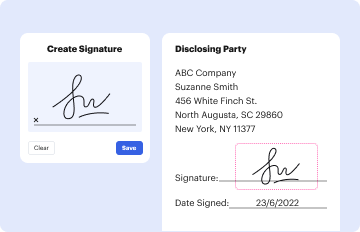
Legally Binding Signatures: Platforms like DocHub abide by the ESIGN Act, ensuring electronic signatures are legally binding.
-
Privacy Laws: Adherence to laws such as GDPR or CCPA for managing personal data during form submission.
Examples of Using the Form Online
-
Tax Filings: Submit IRS forms like the W-9 electronically to simplify the tax reporting process.
-
Job Applications: Employers use digital forms for collecting applicant information efficiently.
Software Compatibility and Integration
Platforms like DocHub are designed to integrate seamlessly with existing software systems:
-
Google Workspace: Directly connect with Google Drive and Gmail for streamlined document management.
-
Accounting Software: Integration with tools like QuickBooks enhances business efficiency by automating data transfer.