







Definition & Meaning
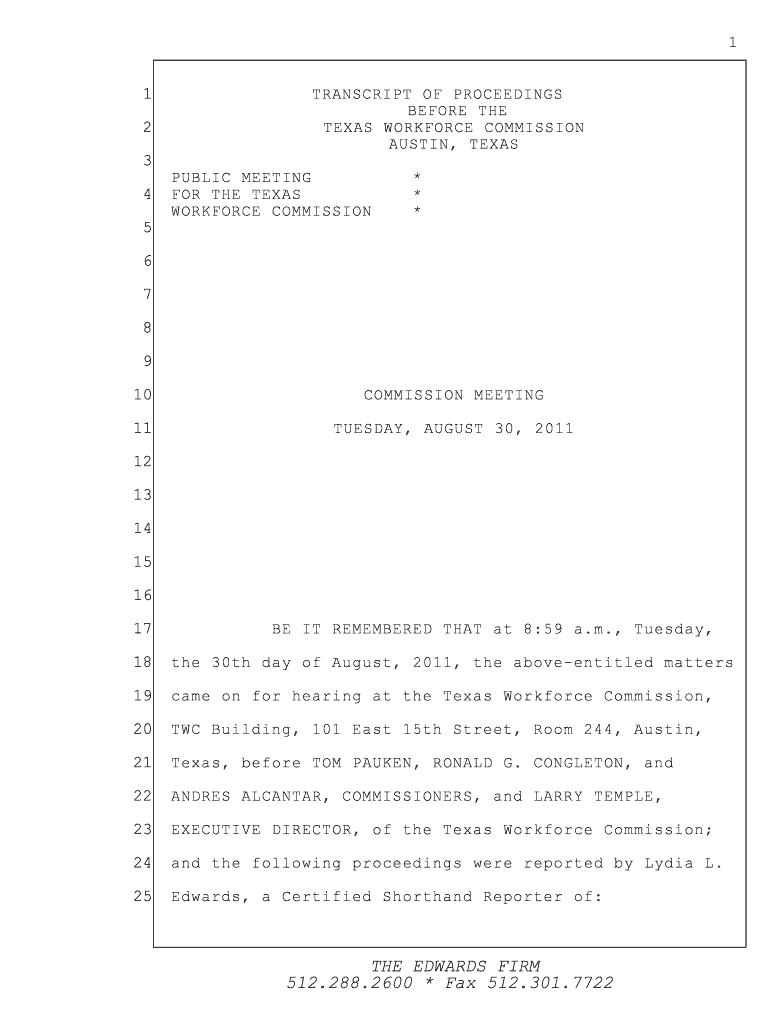
The phrase ", Tuesday, 18 the 30th day of August, 2011, the above-entitled matters 19 came on for hearing at the" appears to represent a segment from a formal legal document or transcript, indicating the date and context of a hearing. This particular phrasing signifies an official notation often found in transcripts of legal proceedings or official records, showcasing when and where particular legal matters were heard.
Key Elements of the Document
- Date and Time: The specific mention of "August 30, 2011" indicates the date of the hearing. This anchors the document in time, which is crucial for legal and administrative records.
- Contextual Reference: The phrase "above-entitled matters" implies that specific cases or matters previously referenced are being discussed, suggesting the document forms part of a continuous legal or procedural narrative.
- Legal Setting: The phrase suggests a formal setting, typically involving multiple people or entities, alluding to the importance and official nature of the proceedings.
How to Use the Document
Users primarily consult this type of document when verifying details of past hearings or legal proceedings. Legal professionals, such as attorneys or paralegals, may use it to prepare for subsequent hearings, review past decisions, or draft responses relevant to the cases discussed during the meeting.
Who Typically Uses the Document
- Legal Professionals: Attorneys, paralegals, and judges reference these documents to understand case history and prepare for ongoing litigation or follow-up actions.
- Researchers and Analysts: Individuals working in policy analysis or legal research might use these records to assess legal precedents or analyze the legislative process.


Required Documents
To understand the complete context of this transcript segment, related documents that provide a full account of the hearing are typically required. This includes agendas, previous meeting minutes, and any reports or submissions discussed during the hearing.
Legal Use of the Document
The document is legally significant as it provides an official record of proceedings and decisions made during the hearing. It can serve as evidence in legal settings where establishing the timeline and content of previous discussions is necessary.
Steps to Complete Related Legal Processes
- Locate Full Transcript: Search for the complete transcript in legal databases or through the hosting institution (e.g., Texas Workforce Commission).
- Review Context: Identify and review prior matters or documents mentioned in the transcript to fully understand the context.
- Analyze Discussions: Focus on the discussions highlighted during the hearing for insights into decision-making factors.
State-Specific Rules
Since the document pertains to a meeting by the Texas Workforce Commission, familiarity with Texas-specific legal and procedural guidelines is essential. Regulations regarding public hearings and their transcripts vary by state, influencing how the document is used.
Penalties for Non-Compliance
In legal and procedural contexts, failure to comply with documentation requirements or disregarding the findings and decisions recorded in such documents can result in penalties or unfavorable judgments in future legal proceedings. Legal entities often rely on these records to demonstrate compliance and due diligence.
Digital vs. Paper Version
While paper versions are traditionally archived, digital formats have increasingly become the standard due to their ease of access and searchability. Organizations often encourage digital access for efficiency.
State-by-State Differences
The management and format of hearing transcripts can vary considerably among states. In Texas, for instance, specific administrative laws dictate how public hearings are documented and accessed, which might differ from practices in other states.
Filing Deadlines / Important Dates
It's essential for users to note deadlines for responding to or appealing decisions documented in such transcripts. These dates are often mentioned within the full transcript or attached to the broader set of documents accompanying the hearing.




