




01. Edit your form online
Type text, add images, blackout confidential details, add comments, highlights and more.

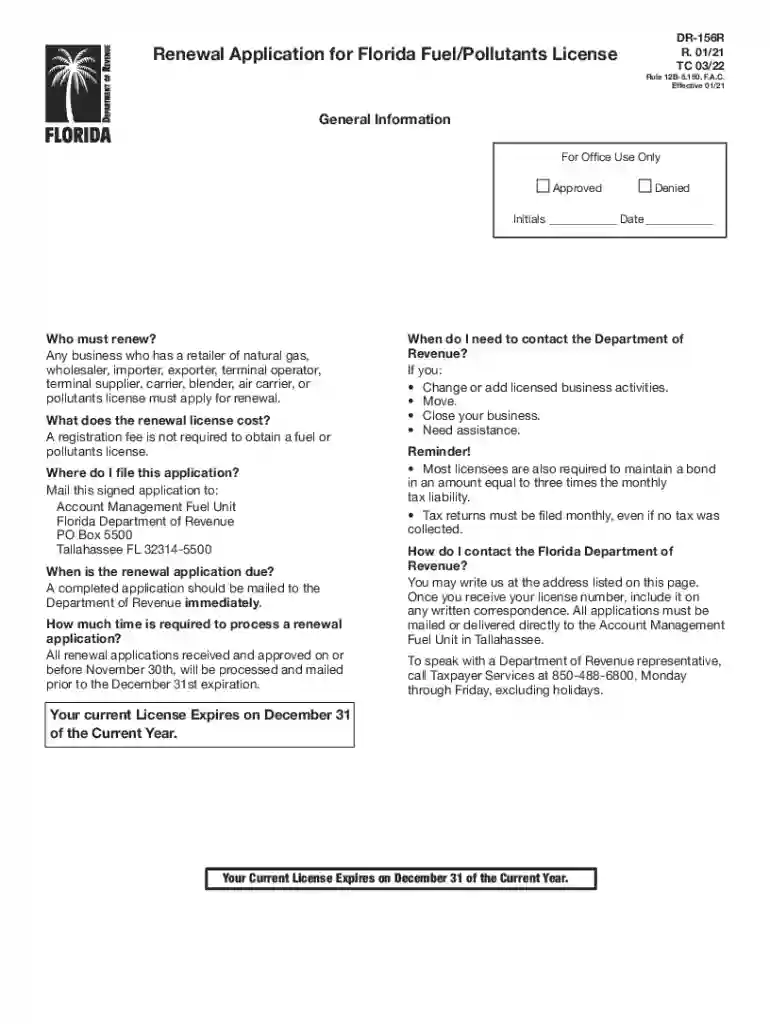
Type text, add images, blackout confidential details, add comments, highlights and more.

Draw your signature, type it, upload its image, or use your mobile device as a signature pad.

Send it via email, link, or fax. You can also download it, export it or print it out.
The "Renewal Change of Status 911 Public Safety" refers to a procedural form that facilitates amendments to existing status credentials for public safety personnel, particularly those working within 911 emergency services. This form focuses on updating and renewing crucial information, ensuring that public safety operations remain efficient and compliant with current standards.
Accurate information on this form helps maintain seamless operations within emergency response services. Officials can make informed decisions swiftly when data is consistent and current. Failing to update such details might lead to lapses in operational response or administrative processes.
Meeting compliance requirements is essential for public safety entities. The form serves a critical role in aligning state and federal mandates with local jurisdictions. Ensuring timely and correct submissions helps avoid legal complications and potential penalties that stem from non-compliance.
In the realm of emergency services, outdated information can result in miscommunications that affect public safety. The form's renewal process ensures that contact points, qualifications, and statuses are current, supporting effective communication and response strategies.
Completing the form requires careful attention to detail and understanding of procedural guidelines. Here's a breakdown of the completion process:
To access this document, follow these general steps:
A defined set of documents typically accompany this form to verify identity and qualifications. These may include the following:
Understanding the core components of the form is crucial for accurate completion.
This form has strict guidelines regarding its legal applications:
The primary users are professionals within emergency services sectors seeking to renew or update their current status. This can include:


These individuals must keep credentials updated to ensure that operational and legal standards are met, contributing to the continued effectiveness of the public safety framework.
Failure to comply with renewal requirements can result in significant repercussions:
For those in breach, it is imperative to promptly address any oversights or incomplete submissions. Contact the relevant authorities immediately to rectify the issue and provide the necessary documentation.
Staying informed about critical timelines is vital:
Understanding these deadlines ensures that public safety roles remain valid, comprehensive, and compliant.
We've got more versions of the Renewal Change of Status 911 Public Safety form. Select the right Renewal Change of Status 911 Public Safety version from the list and start editing it straight away!
At DocHub, your data security is our priority. We follow HIPAA, SOC2, GDPR, and other standards, so you can work on your documents with confidence.
To be eligible for renewal certification as a 911 emergency dispatcher, the applicant shall submit DH Form 5068, 01/12, Renewal/Change of Status 911 Public
To be eligible for renewal certification as a 911 public safety telecommunicator, the applicant must complete at least. 20 hours of renewal training prior toRead more


