





Definition and Meaning of Forms Online
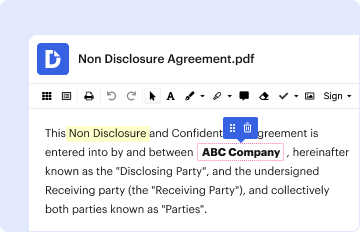
Forms online refer to digital platforms that facilitate the creation, editing, and submission of various types of forms through the internet. These forms encompass a wide range of applications, including legal documents, tax filings, and employment applications, allowing users to complete necessary paperwork efficiently without the need for physical copies. The online form environment leverages technology to streamline traditional paper processes, making them accessible and manageable from any location with internet connectivity.
Key Characteristics of Online Forms
- Accessibility: Users can access forms from any device with an internet connection.
- Convenience: No need for printing or mailing; forms can be filled and submitted digitally.
- Flexibility: Many platforms support various file formats such as PDF, DOC, and XLS.
- Security: Encryption technologies like SSL ensure data protection.
Steps to Complete the Form Online
Completing a form online involves several well-defined steps designed to guide users through the process efficiently. Here’s a typical procedure:
- Access the Form: Open the form through a trusted platform like DocHub.
- Fill Out Required Fields: Input necessary information, such as personal details or financial data.
- Ensure all compulsory fields, marked with asterisks, are completed.
- Review Information: Double-check all entered data for accuracy.
- Attach Required Documents: Upload any supporting documents as needed.
- Submit the Form: Click the submit button to send the form to its intended recipient or authority.
- Save Confirmation: Save or print the confirmation receipt for your records.
Why You Should Use Forms Online
Online forms offer numerous advantages over traditional paper methods, making them highly beneficial in various scenarios:
- Time-Saving: Reduces the need for physical meetings, mailing, or in-person visits.
- Cost-Effective: Minimizes expenses related to printing and postage.
- Environmentally Friendly: Decreases paper waste and promotes sustainable practices.
- Improved Data Collection: Ensures more accurate, legible data capture with fewer delays due to errors.
Important Terms Related to Forms Online
Understanding the terminology associated with online forms can help streamline the creation and submission process:
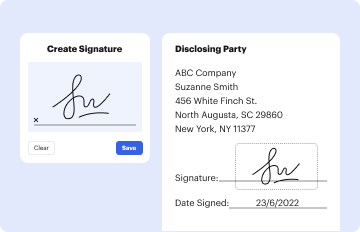
- Digital Signature: An encrypted electronic signature authenticating the signer's identity.
- Fillable Fields: Sections of a form where users input data, such as text boxes or checkboxes.
- Encryption: A method of securing data transferred over the internet, commonly using SSL.
- OAuth 2.0: An authentication standard used to secure user accounts during form submissions.
Legal Use of Forms Online
Forms online adhere to legal standards and ensure compliance with laws like the ESIGN Act for electronic signatures. It’s essential to be aware of these legal frameworks to ensure that completed forms are valid and enforceable:
- Approved by the ESIGN Act: Enables electronic documents and signatures to hold the same legal status as their paper counterparts.
- Privacy Protection Laws: Compliance with laws such as GDPR and CCPA for safeguarding personal information.
Software Compatibility with Forms Online
Forms online are compatible with a range of software tools, enhancing their usability and integration into existing systems:
- Google Workspace: Direct integration allows for importing and exporting documents from Google Drive.
- Accounting Software: Compatible with tax preparation software like TurboTax or QuickBooks for seamless financial reporting.
- Mobile-friendly Platforms: Systems designed to work efficiently on mobile devices for on-the-go access.
Digital vs. Paper Version of Forms
Choosing between digital and traditional paper forms depends on various factors, including ease of use, accessibility, and environmental considerations:
- Storage and Accessibility: Digital forms can be stored securely online and accessed from anywhere.
- Accuracy and Efficiency: Reduces human error through guided fillable fields and instant submission.
- Environmental Impact: Digital forms reduce the carbon footprint by eliminating paper dependency.
Taxpayer Scenarios for Using Online Forms
Different taxpayer categories leverage the flexibility of online forms for various benefits:
- Self-Employed Individuals: Use forms for tax filings and client agreements.
- Retirees: Complete pension and social security-related documents without travel.
- Students: Apply for financial aid or educational grants through accessible online forms.

State-Specific Rules for Forms Online
While online forms offer uniformity, state-specific rules may apply, requiring awareness of local laws and regulations:
- Tax Regulations: Some states may have unique tax filing requirements.
- Business Licenses: Different states might require specific forms for business registration or permits.
- Legal Document Filing: Varies by state for documents like notarizations or court submissions.
State-specific compliance ensures that all forms fulfill local legal and administrative requirements, safeguarding against potential issues and ensuring a smooth submission process.