






Definition and Meaning
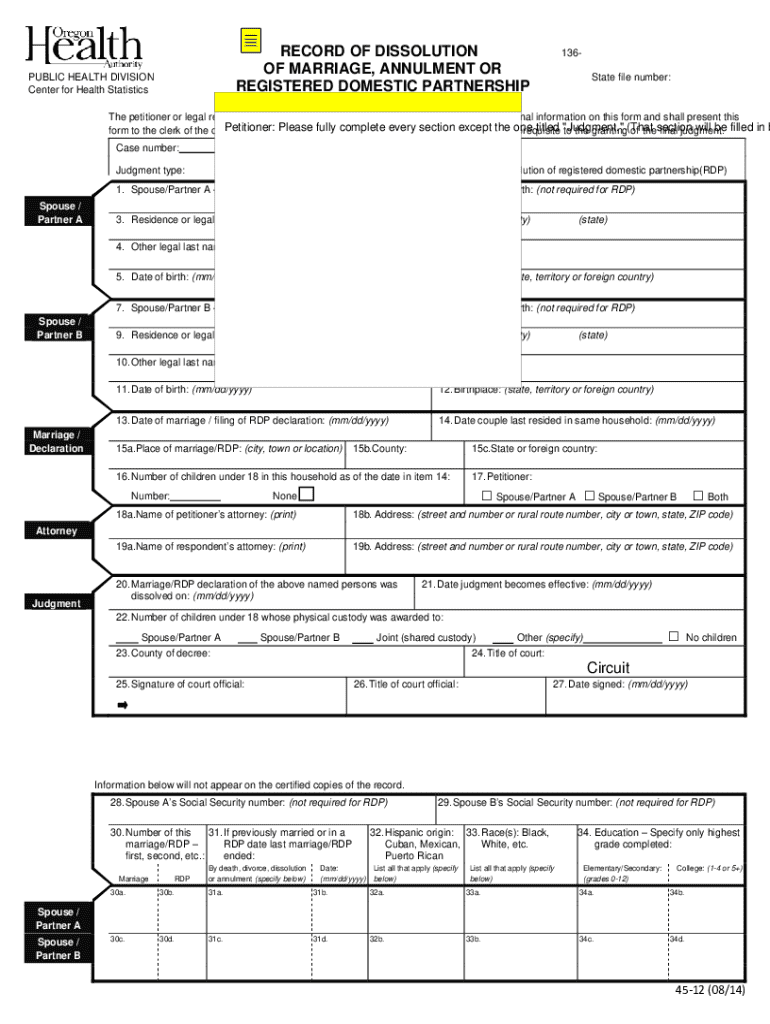
An annulment is a legal procedure that nullifies a marriage, effectively declaring it void as though it never existed. This differs significantly from a divorce, which ends a legally valid marriage. Annulments are sought on specific grounds which, if proven, mean the marriage was never valid from its inception. Common grounds for annulment include fraud, bigamy, lack of consent, or mental incapacity at the time of marriage. Understanding these distinctions is crucial for anyone considering filing for an annulment.
Eligibility Criteria
To qualify for an annulment, petitioners must meet certain eligibility requirements which vary across states. Generally, one must demonstrate that grounds such as coercion, fraud, or one party already being married apply to the situation. Some states may require the parties to meet residency conditions or file within a certain timeframe after the marriage. Legal counsel or a thorough review of state laws is recommended to ensure all eligibility criteria are met before proceeding.


Steps to Complete the Form
- Gather Information: Collect personal details of both parties, the marriage certificate, and evidence supporting the grounds for annulment.
- Complete Required Sections: Fill out the form sections detailing personal details, grounds for the annulment, and any relevant personal circumstances.
- Attach Supporting Documents: Append supporting evidence like affidavits, documented proof of the marriage conditions, or any other relevant information.
- Review and Sign: Thoroughly review the completed form for accuracy, then sign. Notarization may be required.
- File with Appropriate Court: Submit the form to the family court in the jurisdiction where you reside, where the marriage occurred, or where the annulment will be heard.
- Attend Court Hearings: Be prepared to attend any court hearings and present evidence as necessary.
Required Documents
Applicants typically must present several key documents, including:
- A certified copy of the marriage certificate.
- Proof of residency (if required by the state).
- Evidence supporting the grounds for annulment such as medical records, witness statements, or written communications.
These documents help verify the claims made in the annulment petition and support the case in court.
Legal Use of the Form
The primary legal use of the annulment form is to petition a court to declare a marriage legally null. It serves as the official request and outlines the petitioner's grounds for annulment. By providing comprehensive evidence and adhering to legal procedures, the form facilitates the legal proceedings required to annul the marriage.
State-Specific Rules
Annulment laws and requirements differ significantly by state. For example, the validity of certain grounds, such as underage marriage or fraud, can vary. Some states impose strict time limits within which an annulment must be filed after discovering the grounds. Petitioners should consult local legal advice to navigate these state-specific nuances.
Examples of Using the Form
Real-world examples of annulment cases can illustrate various applications of the form. For instance:
- Fraud: A person discovers that their spouse concealed a previous marriage. The petitioner may file for an annulment citing fraud.
- Impotence: If one party is unable to consummate the marriage, the other party may use this as grounds for annulment.
- Mental Incapacity: If at the time of marriage, one spouse was mentally incapable of understanding the marriage contract, an annulment may be sought.
Form Submission Methods
This form can typically be submitted through various channels depending on the jurisdiction:
- Online: Some states offer an online submission via court websites.
- Mail: Petitioners can mail the completed form to the appropriate family court.
- In-Person: Direct submission at the local family court allows for personal interaction and immediate feedback on the submission.
Penalties for Non-Compliance
Failure to comply with annulment form requirements, such as missing information or incorrect filing, can result in setbacks including delayed proceedings, dismissal of the petition, or financial penalties. It's crucial to adhere strictly to guidelines to avoid these consequences.
Key Elements of the Form
The annulment form comprises several vital sections:
- Personal Information: Details of both parties, including full names and addresses.
- Grounds for Annulment: Specific reasons the marriage should be declared void, supported by evidence.
- Children and Property: Considerations for custody, child support, and division of property, if applicable.
- Signatures and Notarization: Verification of all provided information through signed affirmation, potentially requiring notarization for authenticity.
By meeting all these elements, petitioners help ensure a smooth legal process.