




Definition and Purpose of Online Forms
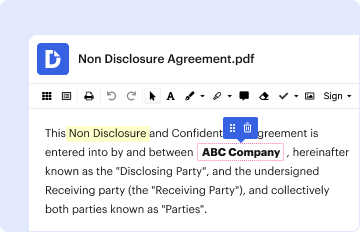
Online forms are digital documents that enable users to input and submit data over the internet. They are an essential part of digital interactions, allowing individuals and organizations to collect information, conduct transactions, and automate workflows. Online forms come in various formats, ranging from simple contact forms to complex applications like tax forms or registration documents.
- Types: Online forms can be registration forms, surveys, quizzes, applications, and more.
- Functions: They serve functions such as data collection, customer feedback, event registration, and secure transactions.
In a professional context, especially within platforms like DocHub, online forms streamline processes such as signing contracts, submitting feedback, and processing orders. This digital approach not only increases efficiency but also reduces the environmental impact associated with paper forms.
How to Use Forms Online
Utilizing online forms is generally intuitive, designed to guide users through a set of predefined fields. Here's a streamlined process for using online forms effectively:
- Access: Users access the form through a link sent via email or provided on a website.
- Completion: Enter required information in the provided fields, which may include text boxes, checkboxes, or dropdown selections.
- Review: Double-check all entries for accuracy and completeness before submission.
- Submission: Submit the completed form by clicking a designated button, often labeled "Submit" or "Finish."
- Confirmation: Upon submission, users typically receive a confirmation message or email, verifying receipt.
In platforms like DocHub, features such as auto-fill, document signing, and error detection are integrated to streamline the process further.
Steps to Complete Forms Online
Completing an online form involves a structured approach to ensure accuracy and efficiency. Below is a step-by-step guide to filling out online forms.
- Preparation: Gather necessary information or documents before starting, such as identification numbers, contact details, or relevant supporting documents.
- Opening the Form: Open the form using your browser or the specific software platform, ensuring you have a stable internet connection.
- Filling Out Fields:
- Text Boxes: Input the required information.
- Dropdown Menus: Select appropriate options.
- Checkboxes/Radio Buttons: Select all that apply.
- Review: Check every field to make sure all entries are correct.
- Attachments: If additional documents are required, upload them in the specified sections.
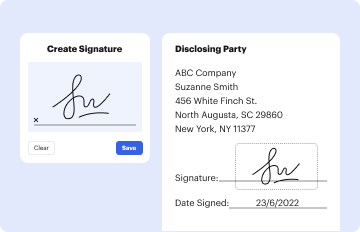
- Signatures: If the form requires a signature, use digital signature tools to sign.
- Submitting the Form: Click the submit button to send your form for processing.
On platforms like DocHub, users can save progress and return later, allowing flexibility in completing forms.
Why You Should Use Forms Online
Online forms are increasingly preferred due to their numerous advantages over traditional paper forms:
- Convenience: Accessible from any location with internet access, removing physical barriers.
- Speed: Instant submission and processing reduce turnaround times significantly.
- Cost-Effective: Eliminates printing and mailing costs, saving resources.
- Accuracy: Minimizes errors with dropdowns and validation checks.
- Eco-Friendly: Reduces paper usage and waste.
For businesses and individuals, using online forms through trusted platforms like DocHub ensures data security and process efficiency, aligning with modern digital needs.
Key Elements of Online Forms
Effective online forms include several critical elements designed to enhance user experience and data security:
- User-Friendly Interface: Intuitive design with clearly labeled fields.
- Required Fields: Indicated fields to ensure the completion of essential information.
- Guidance Text: Instructions or examples to clarify what is required.
- Validation Checks: Immediate feedback on incorrect entries or incomplete fields.
- Security Measures: Encryption and authentication protocols to protect data integrity.
DocHub incorporates these elements, offering additional features such as auto-save, which enhances user experience by preventing data loss.
Legal Use of Online Forms in the U.S.
In the United States, online forms have legal standing in various contexts, provided they meet certain standards:
- Compliance: Page must comply with regulations like the ESIGN Act, which provides a legal framework for electronic signatures.
- Documentation: Forms must include clear legal disclaimers and terms of consent where necessary.
- Authenticity: Features like audit trails in digital platforms, such as DocHub, help maintain the authenticity and integrity of documents.
These provisions ensure that online forms are viable for transactions, legal agreements like leases or employment contracts, and official submissions.
Digital vs. Paper Versions of Forms
Choosing between digital and paper versions of forms involves assessing the nature of the task and the user's environment:
- Digital Forms:
- Advantages: Immediate processing, ease of distribution, and integration with automated systems.
- Usage: Suitable for environments with internet access and where quick turnaround is crucial.
- Paper Forms:
- Advantages: Useful in locations with limited digital access or for audiences less comfortable with technology.
- Usage: Considered in legal or traditional settings where physical copies are preferred.
Most sectors are transitioning towards digital forms for their efficiency and environmental benefits, with platforms like DocHub leading in providing secure and versatile online form solutions.
Software Compatibility for Forms Online
Compatibility with various software tools enhances the functionality of online forms, allowing for seamless workflow integration:
- Document Editing: Compatible with software such as DocHub, Adobe Acrobat, and Microsoft Word for creating and editing forms.
- Accounting Software: Integration with tools like TurboTax or QuickBooks for forms relevant to taxes or financial data.
- Cloud Services: Ability to save and share forms with services like Google Drive and Dropbox ensures easy access and collaboration.
Such compatibility ensures that online forms can be part of a broader digital ecosystem, enhancing functionality and adapting to user needs across different platforms and workflows.