





Definition and Meaning of Form Online
Understanding what a form online means provides crucial insight into its purpose and utility. Forms online are digital counterparts to traditional paper forms, designed for submission via the internet. They encompass a wide variety of uses, from legal documents to tax forms and more, streamlining processes that typically require paper submissions.
The flexibility of forms online means they can be accessed and modified easily, offering a more versatile approach compared to their physical formats. This dynamic nature allows for real-time updates and changes, making them ideal for industries that require frequent documentation changes like healthcare or finance. By shifting to forms online, users experience increased convenience, access to various features like fillable fields, and enhanced data accuracy.
How to Use the Form Online
Navigating the process of using a form online can be simplified with a step-by-step approach:
-
Access the Platform: Begin by visiting the website hosting the form. Platforms like DocHub allow users to access forms directly through a desktop or mobile web browser.
-
Select the Form: Choose the specific form you need. This can typically be searched by name or number, depending on its purpose.
-
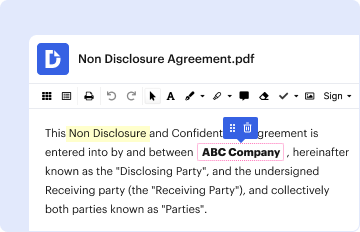
Fill in the Information: Utilize the platform's annotation tools to add text, images, or signatures. These tools enable precise input, ensuring the form is completed accurately.
-
Review for Accuracy: Before submission, double-check all entered information. Platforms usually offer a preview option to view your completed form as it will appear once submitted.
-
Submit the Form: Once satisfied with the accuracy of the information, submit the form online. Most platforms provide confirmation once the form has been successfully submitted.
Online forms can often be saved and returned to later, offering the flexibility to complete them at your own pace.
Steps to Complete the Form Online
Completing the form online involves several key steps, ensuring all crucial information is correctly captured:
-
Open the Form: Load the form via a compatible platform such as DocHub, either by importing it from a cloud storage service or starting from a blank template.
-
Input Data: Enter necessary details into predefined fields, ensuring all required fields are populated. The form may include compulsory sections that need completion to proceed.
-
Add Annotations: Utilize annotation tools for additional information, comments, or specific instructions related to the form’s purpose.
-
Attach Required Documents: If the form necessitates additional documentation, use the platform’s upload feature to attach these files securely.
-
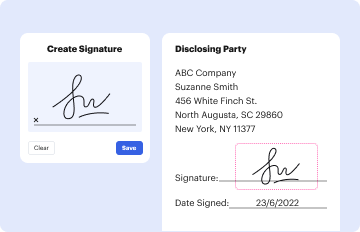
Insert Digital Signatures: For forms requiring authentication, use an electronic signature. You can create one through options like drawing, typing, or uploading.
-
Submit or Save: Once all elements are in place, save your progress or submit the form directly. Alternatively, save a copy for your records.
Ensuring each step is followed meticulously can prevent errors and guarantee compliance with submission standards.
Who Typically Uses Forms Online
Forms online serve multiple sectors and are utilized by a diverse range of users:
- Individuals: For personal matters such as tax submissions, applications, or legal documentation.
- Businesses: Companies use forms online for employee records, invoice submissions, and contract agreements.
- Legal Professionals: Lawyers employ forms online to handle clients’ legal documents and contracts.
- Students and Educators: Schools and universities integrate forms online for student applications and administrative processes.
- Government Agencies: Use online forms for regulatory compliance, license applications, and more.
The vast applicability of forms online has expanded their use across various industries, catering to the needs of both individuals and organizations.
Key Elements of the Form Online
Understanding the essential elements of forms online helps users effectively utilize their features:
- Fillable Fields: Interactive sections designed for user input, including text boxes, checkboxes, and dropdown menus.
- Signature Fields: Areas enabling digital signatures for verification and legal authorization.
- Validation Checks: Built-in checks to ensure data entered meets required formats, preventing submission errors.
- Auto-Save Functionality: Automatic saving capability to prevent data loss during form completion.
- Submission Confirmation: Visual or electronic confirmation that notifies users when the form has been successfully submitted.
These elements collectively enhance the user experience, ensuring forms are not only easy to complete but also reliable in capturing accurate data.
Examples of Using the Form Online
Real-world applications highlight the versatility of online forms:
- Tax Filings: Individuals use forms online to file various tax documents, such as the W-9 form for withholding personal income tax.
- University Applications: Prospective students submit applications through forms online, streamlining the admission process.
- Legal Contracts: Electronic agreements are executed via forms online, embedding legally binding signatures to expedite deal closures.
- Client Intake Forms: Service professionals collect client information efficiently through digital forms, enhancing customer interaction.
Each scenario showcases how online forms cater to varied needs, offering both efficiency and effectiveness.
State-Specific Rules for Forms Online
While forms online offer broad application, state-specific rules may apply:
- Tax Regulations: Varying state tax laws require forms online to conform to regional compliance standards.
- Legal Documents: Document formats might differ by state to meet local legal requirements.
- Business Filings: State incorporation laws require specific forms for business registrations and updates.
Familiarity with state-specific regulations ensures forms online are used effectively without legal discrepancies.
Software Compatibility with Forms Online
Forms online may need integration with specific software for enhanced functionality:
- DocHub: Offers seamless editing and signing capabilities directly on the form.
- Google Workspace: Allows for integration with Google applications like Drive and Gmail, facilitating easy access and exportation.
- Tax Software: Programs like TurboTax and QuickBooks often support online forms for tax preparation and business accounting.
These compatibilities streamline workflows, ensuring that forms online are universally accessible and functional across different technology platforms.