





Definition & Meaning
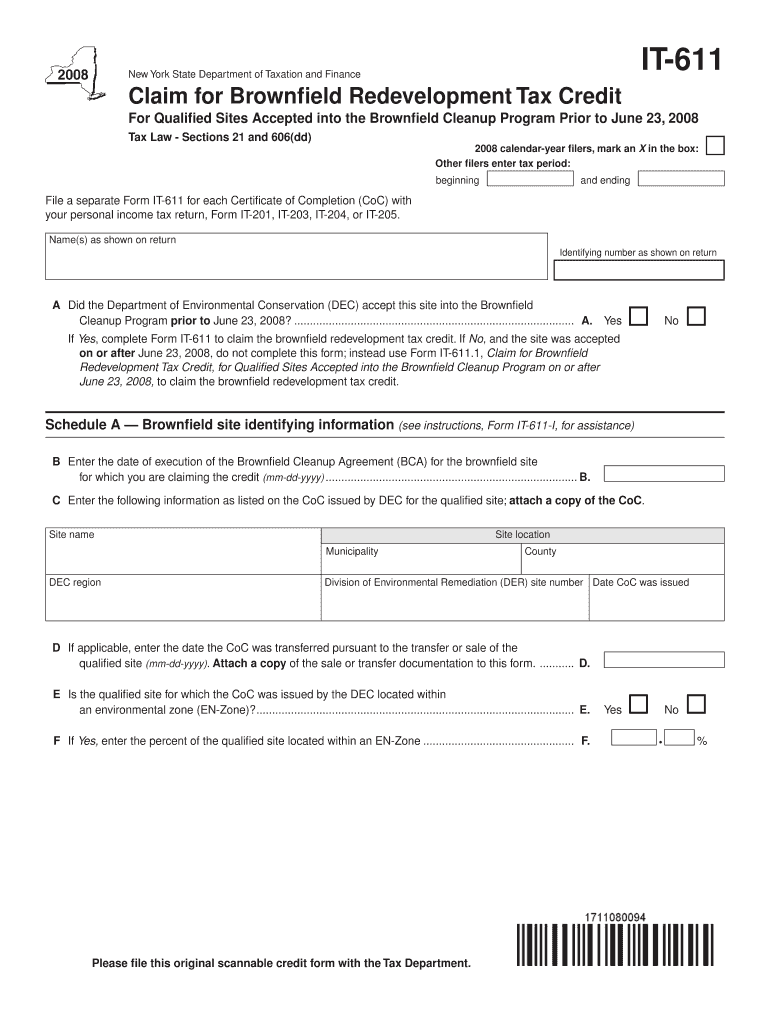
The term "2008 calendar year filers, mark an X in the box" typically refers to a section within a tax form that is specifically intended for individuals or entities that are required to file returns for the tax year 2008. The instruction to "mark an X in the box" is an action that the filer must complete on the form to indicate that they are indeed reporting for the calendar year 2008. This step is crucial for tax processing, ensuring the return is categorized correctly for the intended tax year.
Key Considerations
- Purpose: It designates the filing year and ensures that the documentation aligns with 2008 tax regulations.
- Usage: Most commonly applied in amendments or late filings for the 2008 tax year.
- Importance: Misfiling without marking this box may lead to processing errors or delays.
How to Use the 2008 Calendar Year Filers, Mark an X in the Box
To properly use this section of the form, it is crucial to clearly understand the appropriate steps and contexts in which this selection applies.
Step-by-Step Process
- Identify the Form: Ensure that the form being utilized is specific for 2008 calendar year reporting. This might involve downloading the correct version from the IRS website or obtaining it from a prior year’s archived forms.
- Locate the Box: Find the specific section labeled “2008 calendar year filers” on the tax form—this is usually placed prominently on the first page.
- Mark the Box: Use a pen or digital tools (if filling electronically) to mark an "X" in the provided box.
- Verify Selection: Double-check the form to ensure the "X" is clearly marked and visible.
- Complete the Form: Proceed with the remaining sections of the form, ensuring all other required parts are also filled accurately.
Common Errors
- Forgetting to mark the box.
- Marking the box incorrectly or using another symbol instead of an "X".
- Misidentifying the box due to form updates or layout changes.
Steps to Complete the 2008 Calendar Year Filers, Mark an X in the Box
Completing the form requires a focus on accuracy and adherence to IRS standards. Here's a guide to streamline the process:
Detailed Steps
- Gather Necessary Documentation: Before you start, collect all relevant financial documents for the 2008 tax year—such as W-2s, 1099s, bank statements, and previous returns.
- Review Filing Guidelines: Check IRS publications that pertain to 2008 to ensure awareness of any year-specific rules or provisions.
- Enter Personal Information: Begin filling out the form with basic details like name, social security number, and address.
- Mark the Document: Ensure the "2008 calendar year" box is filled as instructed.
- Report Income Accurately: Input all income-related data into the appropriate sections, adhering strictly to the 2008 income thresholds and tax brackets.
- Deductions and Credits: Carefully apply any eligibilities for deductions or credits pertinent to 2008.
- Finalize the Submission: Once completed, double-check each section for errors and attach any necessary supporting documents.
Tips for Success
- Use IRS Worksheets: These can assist in calculating specific deductions or credits.
- Consult Tax Software: Tools like TurboTax or QuickBooks may simplify the process through guided instructions.
- Seek Professional Advice: When in doubt, professional tax assistance can provide clarity, especially for complex situations.
Who Typically Uses the 2008 Calendar Year Filers, Mark an X in the Box
Understanding who is required or may opt to utilize this form component is vital for determining relevance.


Primary Users
- Late Filers: Individuals or businesses submitting forms after the 2008 deadline.
- Amended Filings: Those making corrections to previously submitted returns.
- Special Circumstances: Taxpayers with unresolved fiscal matters specific to 2008.
Organizational Relevance
- Corporations and Partnerships: These entities might need to finalize unrelated or deferred tax obligations from 2008.
- Estate Filings: Certain estates that remained open may still be settling taxes from previous years.
- Non-Resident Aliens: This group might need to file in specific instances where 2008 U.S. income was realized.
Legal Use of the 2008 Calendar Year Filers, Mark an X in the Box
The legal context under which this form is used ensures compliance with federal tax mandates.
Authoritative Guidelines
- IRS Regulations: Must adhere to all instructions as set by the IRS for 2008, including the legal obligation to file accurately.
- Compliance Standards: Marking this box correctly is part of demonstrating compliance with the submission norms of that tax year.
Risks and Penalties
- Failure to mark the box when applicable can result in penalties, possible audits, or rejection of the filing.
- Legal disputes may arise if an incorrect indication alters the intended filing year.
IRS Guidelines
The IRS provides encompassing directions for handling backyear filings which include specific instructions about marking the correct calendar year.
Guidance Highlights
- Publications and Notices: Check IRS notices relevant to 2008 for potential changes in form submissions.
- Technical Bulletins: These may offer clarifications on complex filing situations that involve 2008.
- Help Resources: Utilize IRS help lines or official website resources for direct assistance.
Practical Implications
- Using the correct IRS guidelines ensures that the filing is processed without unnecessary hindrances.
- Keeping abreast with any retrospective changes or audits that might affect the 2008 filing.
Filing Deadlines / Important Dates
A focus on timing is essential to ensure compliance and avoid unnecessary fines.
Key Dates
- Original Deadline: April 15, 2009, was the initial due date for 2008 calendar year returns.
- Extended Filing: Extensions may extend this to October 15 but require acknowledgment through a formal request.
- Amendments: Must be filed within a certain period following the original or extended filing date, typically three years.
Importance of Adherence
- Timely filing remains critical in minimizing late fee penalties and interests.
- Check for any state-specific nuances, as deadlines can vary between federal and state requirements.
Form Submission Methods (Online / Mail / In-Person)
There are multiple avenues to submit the 2008 calendar year filings.
Submission Pathways
- Electronic Filing: Options include IRS e-file, supported by authorized tax software solutions.
- Mail Submissions: Use designated IRS mailing addresses based on geographic location or form type.
- In-Person at IRS Offices: Although less common, some individuals may opt to submit directly at an IRS location for clarification or confirmation purposes.
Key Considerations
- Choose the method that best suits the complexity and urgency of the filing.
- Retain proof of submission, whether it is a confirmation email or a postal receipt.
Required Documents
Comprehensive documentation is necessary to substantiate the 2008 filings.
Essential Documentation
- Income Statements: Such as W-2s and 1099s.
- Past Returns: If amending, include copies of previously filed returns for reference.
- Supporting Evidence: Any receipts or documentation that support deductions or credits claimed.
Document Management Tips
- Maintain an organized folder for all tax records related to 2008.
- Scan and digitize paper documents to avoid loss and simplify future references.
By ensuring that these sections are meticulously completed, individuals and businesses can maintain compliance and ensure accurate tax submissions for the 2008 calendar year.