
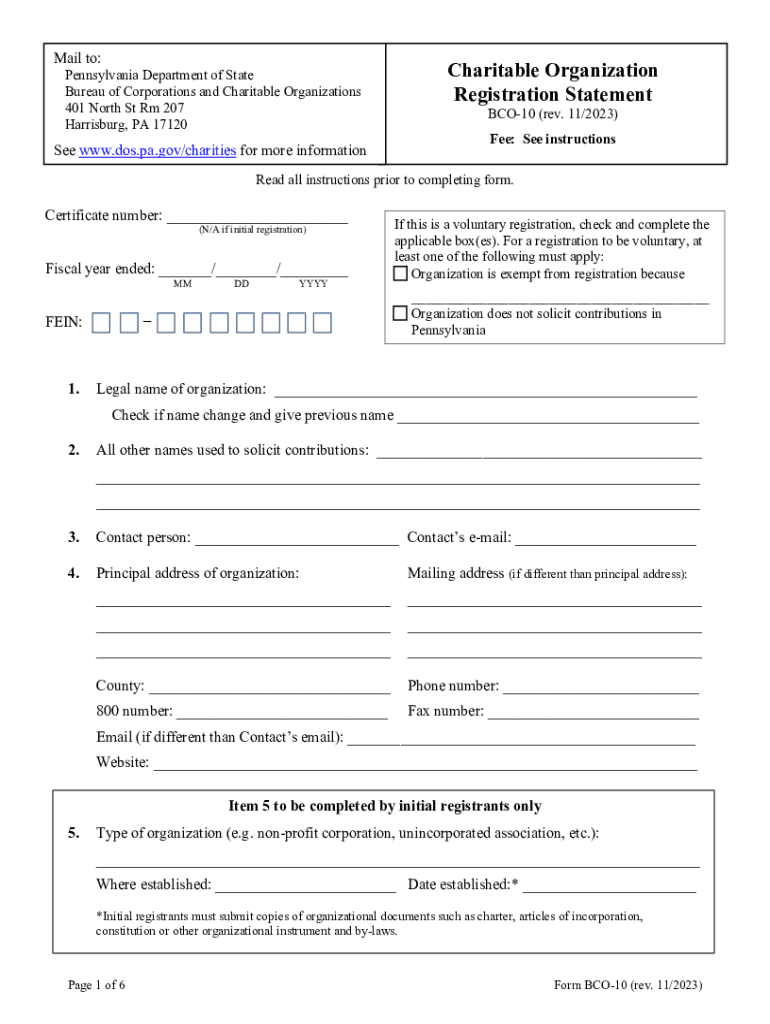







Definition & Meaning
The term "form online" refers to the process of creating, completing, and submitting digital versions of documents or forms through the internet. This method replaces traditional paper-based processes, allowing users to access, fill out, and submit forms electronically. The convenience of online forms is enhanced by features like fillable fields, electronic signatures, and automatic data validation, which streamline the process and reduce errors. This approach is increasingly popular across various industries due to its efficiency and accessibility.
How to Use the Form Online
Using forms online involves several user-friendly steps. First, you select the relevant form type needed for your task, which could range from tax submissions to application forms. Once selected, you access the form on your chosen platform, such as DocHub, and enter the required information into the designated fields. Platforms like DocHub provide tools for annotating and editing documents, enabling users to add text, images, and signatures effortlessly. After completing the form, you can review it for accuracy before submitting it electronically to the intended recipient or institution.
Steps to Complete the Form Online
- Access the Form: Visit the platform offering the form, log in, and search for the specific document needed.
- Fill Out the Required Fields: Enter all necessary information, ensuring accuracy to avoid submission errors.
- Add Electronic Signature: Utilize tools provided by the platform, such as DocHub, to sign the form electronically.
- Review the Document: Thoroughly check for any errors or incomplete sections.
- Submit the Form: Once reviewed, submit the completed form through the platform's electronic submission system, often with immediate confirmation of receipt.
Common Pitfalls to Avoid
- Double-check for mandatory fields to avoid missing critical information.
- Ensure the digital signature is correctly applied and saved.
- Be aware of any specific submission deadlines to avoid penalties.
Important Terms Related to Form Online
- Fillable Fields: Sections in a digital form where users input data, facilitating ease of use and accuracy.
- Electronic Signature: A digital method to sign documents, which is legally binding and recognized under laws such as the ESIGN Act.
- Data Validation: A process that ensures information entered into a form is accurate and complete, often through automated checks.
Benefits of Using Forms Online
Utilizing forms online presents numerous advantages over traditional paper forms. These include:
- Efficiency: Faster processing time due to reduced paperwork and automated workflows.
- Convenience: Accessibility from any internet-enabled device, allowing users to complete forms at their convenience.
- Cost-Effective: Reduces the need for physical storage and postage, lowering administrative costs.
- Eco-Friendly: Minimizes paper usage, contributing to environmental sustainability.
Legal Use of the Form Online
Form online submissions are legally equivalent to their paper counterparts when adhering to the regulations set by acts such as the ESIGN Act and the Uniform Electronic Transactions Act (UETA). These frameworks ensure that electronic signatures and submitted forms are enforceable and legally binding. When engaging in online form submissions, it's vital to comply with these regulations to maintain the legality of transactions.
State-Specific Rules for Form Online
While many aspects of using forms online are standardized, some states may have specific rules regarding the use of online forms, especially for legal, tax, or official documents. It's essential to check the regulations applicable in your state to ensure compliance. For instance, some states may have additional authentication requirements or limitations on certain types of electronic submissions.
State-by-State Differences
Each U.S. state may have varying rules and regulations concerning online forms, particularly for legal and tax-related submissions. It's crucial to consult state-specific guidelines to ensure that your digital transactions comply with local laws. Factors like submission deadlines, required documents, or allowable form types may differ, underscoring the importance of understanding local regulations.




