Definition and Purpose of Examination Application Instructions
Examination application instructions serve as a comprehensive guide to accurately completing the application necessary for taking a professional or academic examination. These instructions not only assist applicants in understanding what information and documents are required but also detail the steps needed to submit a complete and accurate application. Typically, the form includes guidelines for filling out personal details, educational qualifications, required fees, and additional documentation such as proof of identity or education credentials. Following these instructions is crucial for ensuring eligibility and avoiding application rejection or processing delays.
User Guide for the Examination Application Form
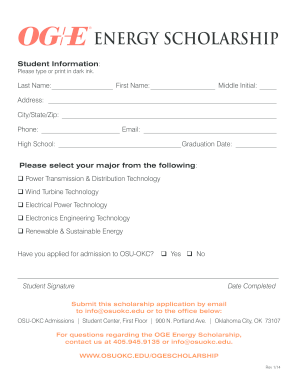
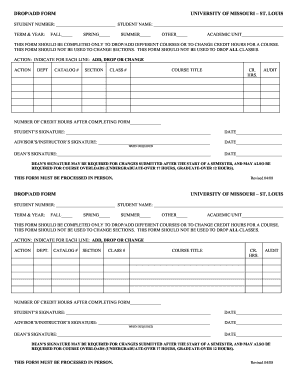
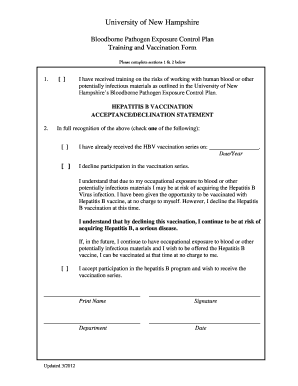
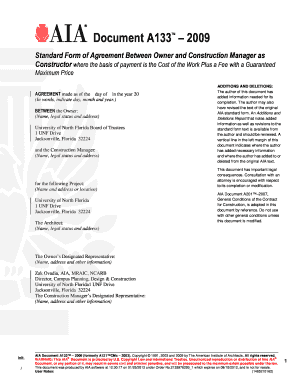
The instructions for completing the examination applications offer specific guidelines for using the active PDF form effectively. To begin, download the form from a compatible browser or a PDF reader that supports interactive fields. Once downloaded, navigate the form by clicking on each line, which will highlight fields for data entry. The document may require information such as full name, date of birth, social security number, and contact details. Applicants should ensure that they complete all mandatory fields accurately to facilitate smooth submission and processing.
Steps to Complete the Examination Application
-
Gather Required Information and Documents
Before filling out the application, collect all necessary documents such as identification, proof of education, and any certifications. Ensure that all information is up-to-date. -
Access and Review the Form
Access the form via the active PDF link provided by the examination board. Review all instructions carefully to understand the requirements and deadlines. -
Complete Personal and Educational Details
Fill out sections for personal information, including full name, address, and contact details. Include educational history and any relevant qualifications. -
Document Upload and Attachments
Some sections may require the upload of supporting documents directly into the PDF. Ensure these files are correctly attached where necessary. -
Review and Confirm Information
Double-check all entries for accuracy and completeness. Any errors may lead to delays in processing or rejection of the application. -
Submit the Application
Once satisfied with the accuracy of the form, submit it through the indicated submission method, which could be electronic mail, postal service, or an online portal.
Who Typically Uses Examination Application Instructions
The instructions are primarily used by prospective examinees such as students, professionals seeking certification, or those required to meet specific state or board licensing requirements. Typically, individuals applying for board exams in areas like cosmetology, state licensure, or academic assessments will reference these instructions to ensure they meet all the requirements and deadlines.
Key Elements of the Examination Application Instructions
-
Field Requirements: Each section of the application is marked with fields that must be filled out accurately. These are often complemented by clear examples or clarifications within the PDF form.
-
Fee Information: Detailed instructions on examination fees, payment methods, and deadlines are provided. It is crucial for candidates to adhere to these deadlines to avoid additional charges or examination rescheduling.
-
Submission Guidelines: The application form specifies the method of submission, whether online, through mail, or in person, offering flexibility depending on the organization’s capabilities.
-
Account Creation and Authentication: Often, applicants must create an account or verify their identity through secure login methods to submit their application, ensuring data security.
Legal Compliance and Security Measures
Examination applications and their instructions include sections on the legal requirements for applications. This may involve adherence to privacy laws, proof of identity, and ensuring that all information provided is truthful and verifiable. Security measures such as 256-bit SSL encryption protect sensitive information during submission and storage.
Examples of Use Cases
These instructions are exemplified in applications for state boards, such as the Ohio State Board of Cosmetology. Applicants can see firsthand how the form should be completed and submitted. It's essential for those in regulated fields, such as healthcare or education, to adhere to specific statutory guidelines outlined in their application instructions.
Required Documents and Supporting Materials
Essential documents are typically outlined within the instructions themselves, often including:
- Identification documents (driver’s license, passport)
- Educational certificates or transcripts
- Proof of applicable experience or prior examination scores
Collected and attached documentation enhances the validation of the application process. Missing documents can result in processing delays, so careful review is vital.
Comparison of Digital and Paper Formats
The active PDF form is typically favored for its ease of use, allowing direct entries and digital submissions to streamline processing. However, certain boards or specific state regulations might still accept or even require paper versions under certain circumstances. Applicants should verify this aspect based on their state or institutional preferences for submission methods.