NJDEP-Division of Land Use Regulation-Flood Hazard Area 2025

Get Form
NJDEP-Division of Land Use Regulation-Flood Hazard Area Preview on Page 1

Here's how it works

01. Edit your form online
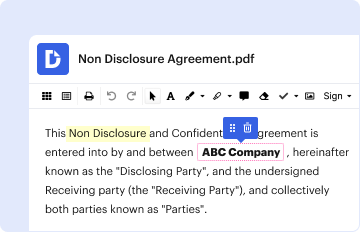
Type text, add images, blackout confidential details, add comments, highlights and more.
02. Sign it in a few clicks
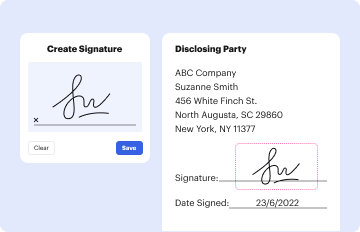
Draw your signature, type it, upload its image, or use your mobile device as a signature pad.
03. Share your form with others
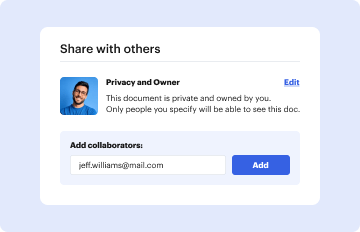
Send it via email, link, or fax. You can also download it, export it or print it out.

How to use or fill out NJDEP-Division of Land Use Regulation-Flood Hazard Area with our platform

Form edit decoration
9.5
Ease of Setup
DocHub User Ratings on G2
9.0
Ease of Use
DocHub User Ratings on G2
  1. Click ‘Get Form’ to open the NJDEP-Division of Land Use Regulation-Flood Hazard Area application checklist in the editor.
  2. Begin by filling out the completed application form. Ensure all required fields are accurately filled, including your contact information and project details.
  3. Complete the Property Owner Certification form if submitting electronically. This is crucial for verifying ownership and compliance.
  4. Prepare documentation for public notice as outlined in the checklist. This includes notifying municipal clerks and adjacent property owners about your application.
  5. Upload site plans that meet all specified requirements, ensuring they are digitally signed and sealed by a licensed professional.
  6. Include any necessary engineering and environmental reports, ensuring they comply with NJDEP standards and are submitted in acceptable formats.
  7. Review all entries for accuracy before submitting your application through our platform, ensuring a smooth submission process.

Start using our platform today to streamline your NJDEP application process for free!

be ready to get more

Complete this form in 5 minutes or less

Get form

Got questions?

We have answers to the most popular questions from our customers. If you can't find an answer to your question, please contact us.
Contact us
The flood zones are delineated on the maps and are available for inspection at Town Hall or online at . The Township Engineering Department can tell you what zone you are in.
Compared to selling other types of properties, selling a property in a flood zone is always more difficult. These properties are located in areas that FEMA considers high risk due to their risk of flooding and low elevation.
Risks of buying property in a flood zone include:1) Living in a flood zone can decrease your homes value and make it harder to resell,2) costly flood insurance requirement for properties in flood zones, 3) If your home floods, youll have to deal
Case Studies and Examples. For instance, a study by the National Bureau of Economic Research found that homes within the 100-year floodplain are valued 4.4% to 13.3% less than similar properties outside the flood zone. This decrease in value is largely due to the perceived risk of flooding and the associated costs.
Flood Zone A is a special flood hazard area designation by the Federal Emergency Management Agency (FEMA). Zone A areas have a 1 percent annual chance of flooding. This flood is also called the 100-year flood.

People also ask

If you own a property in a high-risk zone and have a federally backed mortgage, you must purchase flood insurance. Over a 30-year mortgage, homes in these areas have a 1 in 4 chance of flooding at least once.
The New Jersey Flood Risk Notification Law became effective on March 20, 2024. It requires property owners and landlords to disclose information related to flood hazards to potential buyers or renters before completing a real estate transaction.
While its true that Flood Zone AE is considered a high-risk area, with a 1% annual chance of flooding and a 26% chance over a 30-year mortgage, its not necessarily a deal-breaker. Heres why: Should I skip AE homes? No26% flood risk over 30 years is manageable with insurance and mitigation.

Related links