






Understanding the Contract for Deed Template
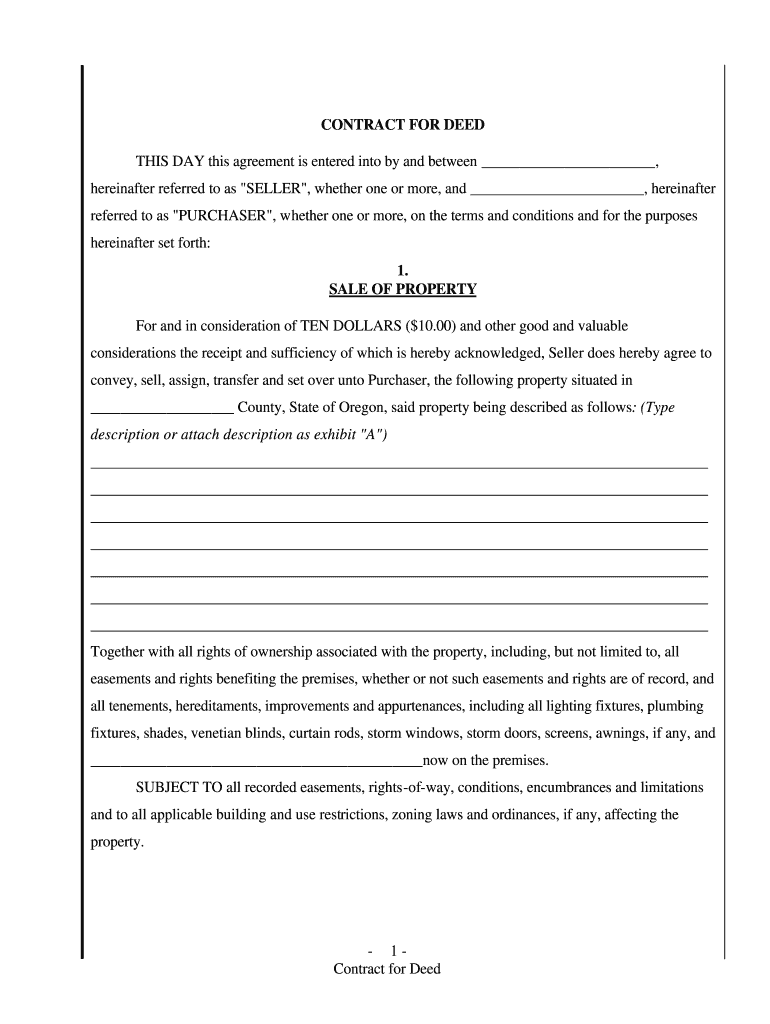
The contract for deed, also known as a land contract or installment sale agreement, is a specialized real estate agreement in which the buyer purchases property from the seller but receives the title only after full payment is made. This arrangement is popular among buyers unable to secure traditional financing options through banks or mortgage lenders. The contract outlines the payment schedule, property condition, and the responsibilities of both parties. Understanding this template is crucial for both sellers and buyers to ensure a legally binding and transparent transaction.
How to Utilize the Contract for Deed Template
Using a contract for deed template effectively requires several steps:
-
Gather Necessary Information: Both the seller and buyer should collect pertinent information such as the purchase price, property details, payment terms, and signatures.
-
Fill in the Template: Utilize the sections provided in the template to input details regarding the agreement. Clearly specify the payment schedule, including due dates and methods of payment.
-
Define Responsibilities: Clearly outline the responsibilities of each party regarding maintenance obligations, property taxes, and insurance to avoid future disputes.
-
Legal Review: Once the document is completed, it is advisable to have it reviewed by a legal professional to ensure compliance with state laws.
-
Sign and Date: Both parties must sign and date the document to make it enforceable.
-
Record the Agreement: In some states, it is beneficial to record the contract with the local county recorder to protect the buyer's interest.
Obtaining the Contract for Deed Template
Acquiring a contract for deed template is straightforward:
-
Online Resources: Numerous legal and real estate websites offer free printable contract for deed templates in various formats, including PDF and Word documents. This ensures you have a reliable and legally viable template to work from.
-
Legal Professionals: Consulting with a real estate attorney can provide a customized contract for deed that meets specific needs and complies with state laws.
-
Real Estate Associations: Local real estate associations may also provide resources, including contract templates or guidance on proper usage.
Essential Steps to Complete the Contract for Deed Template
Completing a contract for deed template involves the following key steps:
-
Initial Information Collection: Document details such as buyer and seller names, property description, and purchase price.
-
Payment Terms Entry: Define the payment structure, including down payment amount, monthly installment amounts, interest rates, and term length.
-
Condition and Maintenance Clauses: Include clauses that denote who is responsible for maintenance and repairs during the contract term.
-
Provide Default Remedies: Outline the steps to be taken in case of default, ensuring all parties understand the consequences of failing to meet contractual obligations.
-
Signing and Storing the Document: Once completed, both parties should sign the document in the presence of a witness, if necessary, and ensure it's stored safely, ideally with digital backups.
Common Users of the Contract for Deed Template
The contract for deed template is typically used by various parties, including:
-
Home Buyers: Often individuals or families with limited access to traditional financing who wish to purchase property despite their credit situation.
-
Sellers: Homeowners who want to sell property without engaging real estate agents, offering flexible payment terms to attract more buyers.
-
Investors: Real estate investors may utilize this agreement to purchase or sell properties more quickly than through conventional means.
-
Families: Instances where property is transferred between family members often utilize this template to ensure a formal agreement while still providing flexibility in payment.


Key Elements of the Contract for Deed Template
A well-structured contract for deed template should contain the following crucial elements:
-
Identifying Information: Clear identification of both the buyer and seller, along with their respective contact information.
-
Property Description: Accurate legal description of the property being sold, including address and parcel number, if applicable.
-
Payment Details: Explicit terms related to purchase price, down payment, interest rate, and scheduled payment intervals.
-
Closing Terms: Conditions that must be met before the title of the property is transferred to the buyer, usually contingent on full payment.
-
Legal Provisions: The inclusion of provisions covering default, remedies, and governing law, which protects both parties in the event of disputes.
Variations and Differences in State Requirements
The specifics of a contract for deed template can vary significantly based on state laws, including:
-
State Regulations: Each state has its governing laws regarding property sales and contracts, and it is critical to ensure that the template meets these requirements.
-
Notarization Needs: Some states require contracts to be notarized for legal validity, while others do not.
-
Disclosure Requirements: Certain states mandate specific disclosures regarding the property's condition and any liens or encumbrances.
Understanding these variances will help both parties ensure compliance and protect their interests throughout the transaction.