







Definition & Meaning
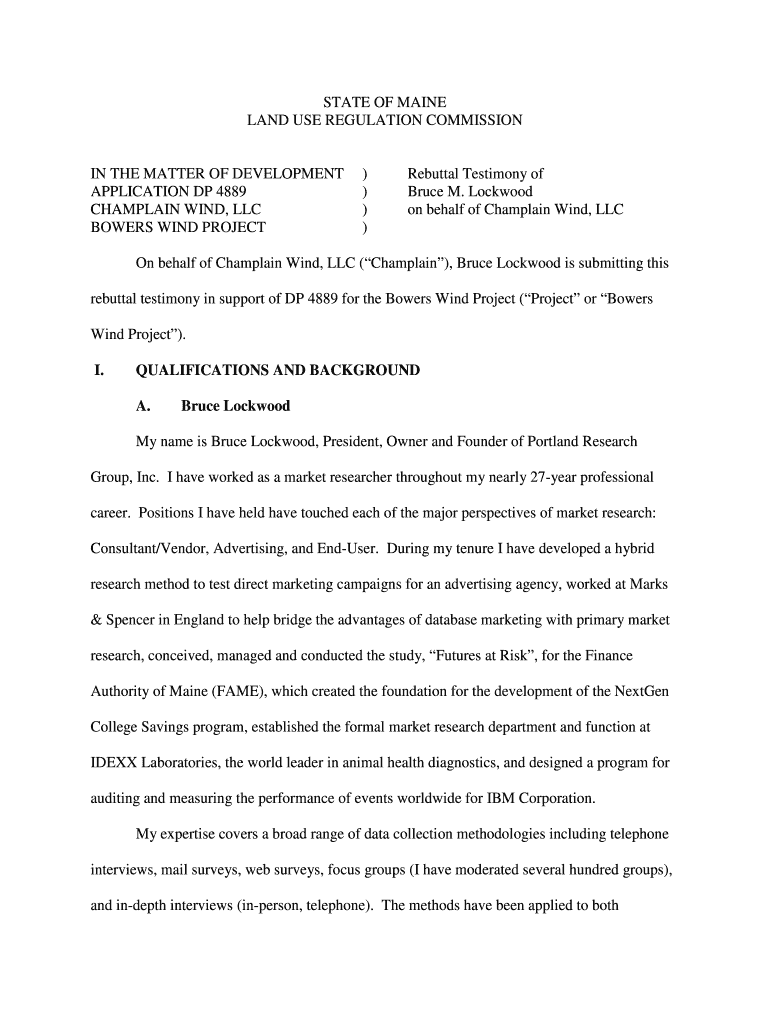
The "3 Bowers 2011 Surveys" refers to a comprehensive collection of survey findings related to outdoor activities and perceptions of wind energy facilities. These surveys were conducted as part of a market research initiative by the Portland Research Group, aimed at understanding the impact of wind energy projects on the experiences and attitudes of outdoor enthusiasts in regions affected by such initiatives, specifically in Maine's Bowers area. The surveys are a vital resource for stakeholders interested in evaluating how wind energy developments intersect with environmental, recreational, and community interests.
Key Elements of the 3 Bowers 2011 Surveys
The "3 Bowers 2011 Surveys" encompass several crucial elements. First, they target outdoor activity users, snowmobile enthusiasts, and residents within the vicinity of the Bowers Wind Project. The surveys gather data on respondents' awareness of wind farms, usage of outdoor facilities, and attitudes towards wind energy. Key findings highlight mixed reactions toward the presence of wind farms, with attention to how these installations might influence enjoyment and willingness to return to such areas. Important to these surveys is detailed information about the level of support for renewable energy projects within Maine, providing valuable insights for policymakers and developers.
How to Use the 3 Bowers 2011 Surveys
Utilizing the "3 Bowers 2011 Surveys" involves recognizing their value in informing decisions regarding wind energy projects and outdoor recreational planning. Researchers and analysts can examine the detailed responses to understand public sentiment on wind projects. Urban planners and environmental consultants might analyze these surveys to assess potential impacts on local tourism and outdoor activities. Stakeholders can also use the information to communicate effectively with communities about the benefits and misconceptions of wind energy, tailoring their projects to align with public sentiment and legal frameworks.
Steps to Complete the 3 Bowers 2011 Surveys
To derive meaningful insights from the "3 Bowers 2011 Surveys," follow these steps:
-
Understand the Objectives: Clearly define what you aim to learn from the surveys, such as public perception of wind energy or effects on local tourism.
-
Identify Key Stakeholders: Determine whose perspectives are most valuable, including residents, tourists, or environmental groups.
-
Gather Data: Review the surveys' raw data and responses for comprehensive analysis.
-
Analyze Responses: Look for trends and common themes to form conclusions about the overall sentiment expressed.
-
Report Findings: Compile the data into a coherent report that can be used for presentations or further research on wind energy impacts.
-
Evaluate Implications: Consider how findings influence policy, community engagement, or future development strategies in the area.
Why Should You Use the 3 Bowers 2011 Surveys
These surveys are essential for understanding the public's perspective regarding wind energy projects, a key aspect of modern sustainable development. Utilizing this data enables stakeholders to make informed decisions that balance environmental, economic, and community interests. For policymakers, the surveys provide a basis for crafting regulations that support renewable energy initiatives while respecting public sentiment and preserving outdoor recreational areas. Developers benefit by demonstrating community engagement and addressing potential resistance with evidence-based strategies.
Who Typically Uses the 3 Bowers 2011 Surveys
Typical users of the "3 Bowers 2011 Surveys" include environmental consultants, policy analysts, urban and regional planners, and renewable energy developers. Academic researchers might also employ these surveys for studies on sustainable development and ecological impacts of wind energy. Community advocacy groups could use the data to campaign for or against project proposals, depending on survey outcomes. Government agencies may also reference the surveys when considering environmental reviews or permit applications related to wind energy projects.


Legal Use of the 3 Bowers 2011 Surveys
Legally, the "3 Bowers 2011 Surveys" serve as an instrumental tool in the environmental review process, assisting in compliance with state and federal regulations regarding renewable energy projects. The data can be used to support environmental impact assessments (EIAs) under statutes like the National Environmental Policy Act (NEPA). Additionally, the surveys provide empirical evidence that can be cited in legal discussions about the socio-economic effects of energy facilities. Ensuring that survey data is used ethically and in accordance with privacy standards is crucial for its legal applicability.
Important Terms Related to 3 Bowers 2011 Surveys
Several key terms are integral to understanding the "3 Bowers 2011 Surveys":
- Wind Energy Facilities: Installations that convert wind power into electricity, the central subject of the surveys.
- Market Research: The methodology used to collect and interpret survey data, aimed at gauging attitudes towards wind farms.
- Environmental Impact Assessment (EIA): A process for evaluating the potential environmental effects of a proposed project.
- Public Perception: The community's collective opinions and attitudes towards wind energy projects, as measured by the surveys.
- Sustainability: The overarching goal of integrating wind energy projects within regional landscapes while maintaining environmental integrity.




