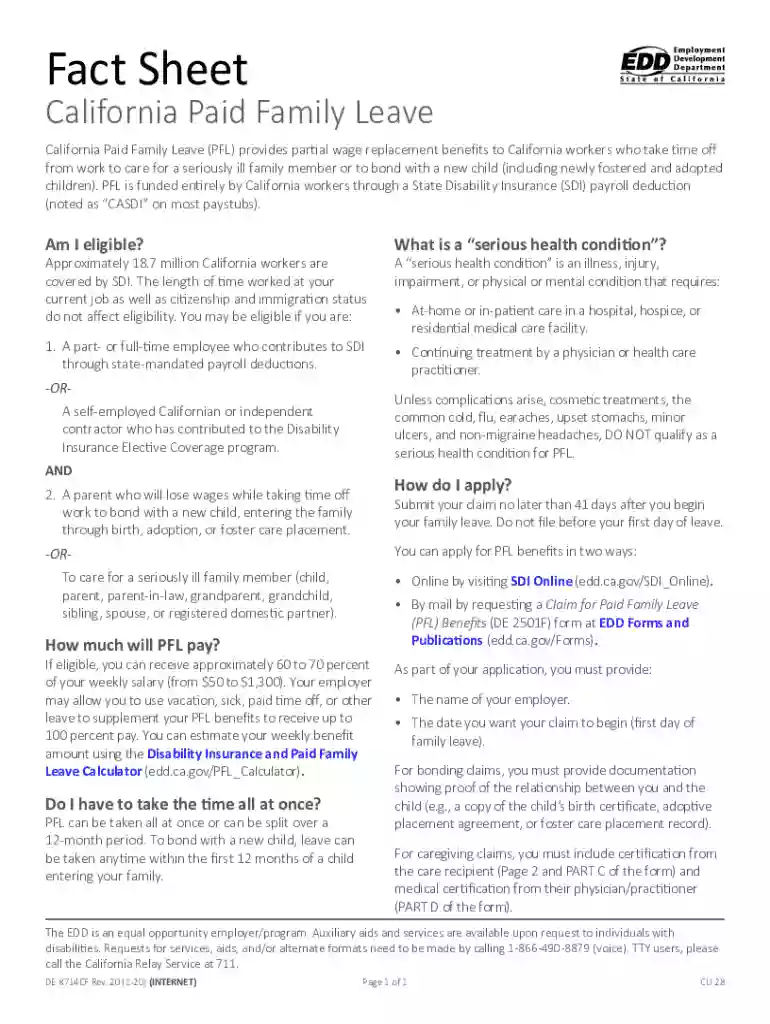
Definition & Meaning
The term "form online" refers to digital formats of traditional paper documents, accessible via the internet for completion and submission. This adaptation allows users to interact with forms through a web interface, eliminating the need for physical paperwork. Forms can serve a variety of purposes, from applications and registrations to surveys, and are frequently used for gathering structured information in an efficient manner. By utilizing "form online", organizations streamline processes, lower paper consumption, and typically enhance both accessibility and overall user experience.
Distinctions from Paper Formats
- Accessibility: Unlike paper forms that require physical handling, online forms can be accessed from anywhere, as long as there is an internet connection.
- Efficiency: Online forms often include automatic data validation, reducing errors in submission.
- Environmentally Friendly: The shift to digital forms reduces the reliance on paper, benefiting the environment.
How to Use the Form Online
Using an online form involves several straightforward steps, ensuring that users can easily navigate and complete the required fields without confusion.
- Access the Form: Start by visiting the website hosting the form, such as DocHub.
- Fill in the Fields: Enter the required information in the designated fields. This could include text entries, dropdown selections, and checkboxes.
- Attachment Option: If documents or images need to be attached, use the provided upload feature to add files from your local device or cloud storage.
- Review & Validate: Before submission, review all the data entered to ensure accuracy. Online forms often include prompts to rectify errors or omissions.
- Submit the Form: Once all fields are completed and reviewed, click the 'Submit' button. You may receive a confirmation of submission via email or an on-screen notification.
Tips for Effective Submission
- Save Progress: If the option is available, frequently save your progress to prevent data loss.
- Check Requirements: Ensure all mandatory fields are filled. These are often marked with an asterisk (*).
- Read Instructions: Review any special instructions provided on the form to avoid mistakes during submission.
Steps to Complete the Form Online
Completing an online form can vary in complexity based on its purpose and design. However, common steps include:
- Initiate the Form: Select the form you wish to complete from the host platform.
- Data Entry: Accurately fill in your personal and relevant data.
- Digital Signature (if needed): For forms requiring authentication, utilize a digital signature tool integrated within the form platform.
- Verify Information: Double-check your entries for any potential discrepancies or misentries.
- Final Confirmation: Confirm the details you've provided meet the requirements outlined by the form issuer.
- Submit and Save Confirmation: Once submitted, keep a record of confirmation details or receipt, which serve as proof of completion.
Important Terms Related to Form Online
Understanding central terms associated with online forms is crucial for all users to effectively navigate digital documentation.
- API Integration: Refers to a set of programming instructions allowing seamless connectivity between forms and other software systems.
- SSL Encryption: A security protocol ensuring any data transmitted via the online form is protected through encryption.
- Responsive Design: Form layouts designed to adapt for optimal viewing across various devices, including desktops, tablets, and smartphones.
Advanced Terminology
- OAuth 2.0: A protocol for authorizing secure access to web apps.
- Captcha: A security feature used to verify that the user is human and not a bot.
Key Elements of the Form Online
While specifics can vary, most online forms share several key components that aid in function and usability.
- Title and Description: Clearly states the purpose and requirements of the form.
- Fields: Areas where users input data, which can include text, numbers, dates, and selections from predefined lists.
- Submit Button: Essential for sending the completed form data to the form processor.
- Validation Protocols: Automated checks ensuring data is inputted in the correct format before submission.
Additional Features
- Help Icons: Provides additional information or guidance on specific sections of the form for user clarity.
- Progress Indicators: Visual markers demonstrating how much of the form remains to be completed.
Examples of Using the Form Online
Online forms have diverse applications across different sectors. Here are some examples of how they are utilized:
- Job Applications: Candidates submit credentials and personal details directly through company websites.
- Surveys and Feedback: Organizations gather customer opinions and experiences using digital surveys.
- Government Services: Citizens file taxes or apply for permits via official government portals.
Case Studies
- Education: Educational institutions use online forms for student enrollment and course registration.
- Healthcare: Online forms streamline patient intake with pre-visit questionnaires.
State-Specific Rules for the Form Online
While federal guidelines often govern many online form requirements, individual states may impose additional rules or variations.
- California: State laws often emphasize data privacy, requiring explicit user consent before data collection.
- New York: May require additional identifiers for state-level tax-related forms.
Variations to Consider
- Regulatory Compliance: Ensures forms align with both state and federal laws, including specific disclosure agreements or certifications.
- Accessibility Standards: Adheres to local regulations ensuring online forms are accessible to individuals with disabilities.
Software Compatibility and Integration
Online forms are increasingly compatible with various software solutions, enhancing their utility within business and personal applications.
- QuickBooks: Used for financial forms, allowing direct import of pertinent data for streamlined business accounting.
- Google Workspace: Integrates with platforms like Google Drive, offering seamless storage and sharing of completed forms.
Features of Software Integration
- Real-Time Editing: Facilitates collective input and instant updates from multiple contributors.
- API Access: Offers expanded capabilities for customized user experience and enhanced functionality with third-party applications.