Definition and Purpose of SCDHHS IDEA Part C Policy for Early Intervention Services
The SCDHHS IDEA Part C Policy for Early Intervention Services is a set of guidelines established by the South Carolina Department of Health and Human Services. It is designed to provide early intervention services to infants and toddlers from birth to age three who have developmental delays or disabilities. These services are mandated under Part C of the Individuals with Disabilities Education Act (IDEA), ensuring that young children receive the necessary support to enhance their developmental and learning outcomes.
Key Aspects of the Policy
- Eligibility Criteria: To qualify for services, a child must be evaluated to determine the presence of a significant developmental delay in several functional areas such as physical, cognitive, communication, social or emotional, and adaptive development.
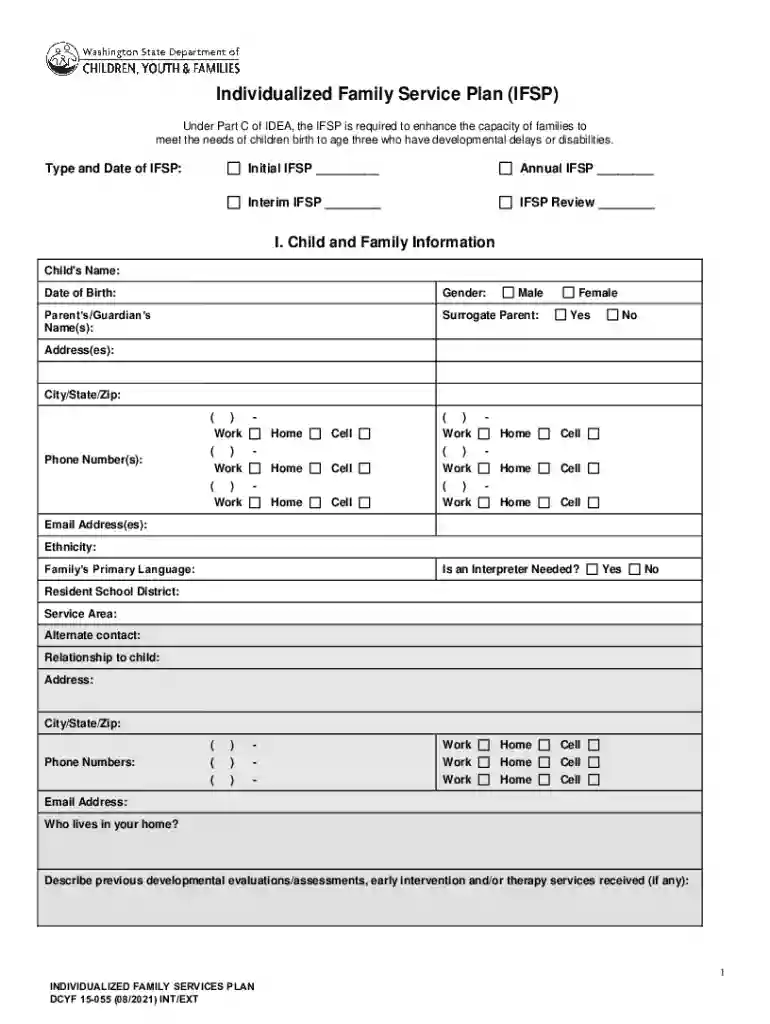
- Individualized Family Service Plan (IFSP): This document outlines personalized goals for the child and family services tailored to meet those goals. It includes comprehensive assessments and identifies the family's concerns, priorities, and resources.
- Service Coordination: This involves appointing a service coordinator to assist the family in accessing services, coordinating the various elements of support, and ensuring the plan is structured around the family's needs.
How to Use the SCDHHS IDEA Part C Policy for Early Intervention Services
Families and service providers utilize this policy framework to identify, plan, and implement appropriate early intervention programs for eligible children. Understanding the policy ensures the delivery of consistent and comprehensive support services.
Practical Applications
- Evaluation and Assessment: Conduct thorough evaluations to identify children who qualify for services under the policy. Assessments must cover all developmental domains to provide a complete overview.
- Service Planning: Use the results from assessments to develop an IFSP tailored to the child's specific strengths and areas for improvement. This plan should be dynamic, evolving as the child grows and develops.
- Collaboration: Families are encouraged to work closely with service providers to ensure objectives align with their own goals for their child's development.
Steps to Complete the SCDHHS IDEA Part C Policy for Early Intervention Services
Completing the SCDHHS IDEA Part C process involves several steps to ensure that both the child and family receive comprehensive support tailored to their needs.
- Initial Contact: Reach out to local early intervention service providers to express interest or concern regarding a child's development.
- Referral: Officially refer the child to the state’s Part C services through a healthcare provider, community agency, or self-referral.
- Evaluation: Conduct an interdisciplinary assessment to evaluate the child’s developmental status and eligibility for services.
- IFSP Development: Collaboratively develop an Individualized Family Service Plan with the family and professionals, outlining goals and services.
- Service Delivery: Implement early intervention services outlined in the IFSP.
- Review and Adjust: Regularly review and modify the IFSP to address the developing needs of the child and family.
Evaluation Components
- Developmental Delay: A significant delay identified in one or more functional areas.
- Diagnosed Condition: Children diagnosed with physical or mental conditions that result in developmental delay.
- At-Risk Indicators: Environmental or biological risk factors that might affect a child's development.
Key Elements of the SCDHHS IDEA Part C Policy for Early Intervention Services
The policy outlines several essential components that guide the delivery of early intervention services to families in South Carolina.
Core Program Components
- Family-Centered Practices: Services are designed around the family’s concerns, priorities, and resources.
- Natural Environment: Interventions are provided in settings natural to the child’s life, such as home or community settings, to integrate learning into daily activities.
- Multidisciplinary Approach: A team of professionals from various disciplines work together to deliver a coordinated service plan that meets all aspects of the child’s developmental needs.
State-Specific Rules for SCDHHS IDEA Part C
South Carolina implements state-specific rules for the effective delivery of IDEA Part C services, aligning with federal mandates while addressing localized needs.
Distinctive Regulations
- Local Lead Agencies: Each region has assigned agencies to ensure efficient service delivery across different areas of the state.
- Early Intervention Standards: Set requirements for service provider qualifications and accountability, ensuring that practitioners meet a high standard of care and professionalism.
- Funding and Resources: State-specific funding mechanisms support the allocation of resources to facilitate program accessibility and effectiveness.
Examples of Utilizing the SCDHHS IDEA Part C Policy
Practical use cases illustrate how this policy facilitates significant improvements for children and families participating in the early intervention program.
Case Scenarios
- Scenario One: A child with significant speech delay receives speech and language services in a home setting, focusing on communication during daily routines.
- Scenario Two: A family-centered approach helps parents learn exercises and activities to enhance their child’s physical development during playtime.
- Scenario Three: A child with identified sensory needs receives therapists' support in community settings, optimizing the transition to preschool environments.
Required Documents for SCDHHS IDEA Part C Policy
Accurate documentation is vital to ensure compliance and streamline service delivery under Part C of the IDEA.
Essential Paperwork
- Child’s Evaluation Reports: Comprehensive evaluation reports outlining developmental delays or conditions.
- IFSP Documentation: Records listing agreed-upon services, goals, and family resources.
- Authorization Forms: Parental consents and releases required for participation and information sharing amongst service providers.
Legal Use of the SCDHHS IDEA Part C Policy for Early Intervention Services
Compliance with legal standards ensures the legitimacy and enforceability of early intervention services under the policy.
Regulatory Compliance
- Confidentiality: Adherence to privacy laws to protect the personal information of children and families receiving services.
- Service Mandates: Framework ensures services comply with IDEA regulations, maintaining the integrity and scope of services provided.
- Dispute Resolution: Established procedures to address and resolve disagreements about services between families and service providers.