
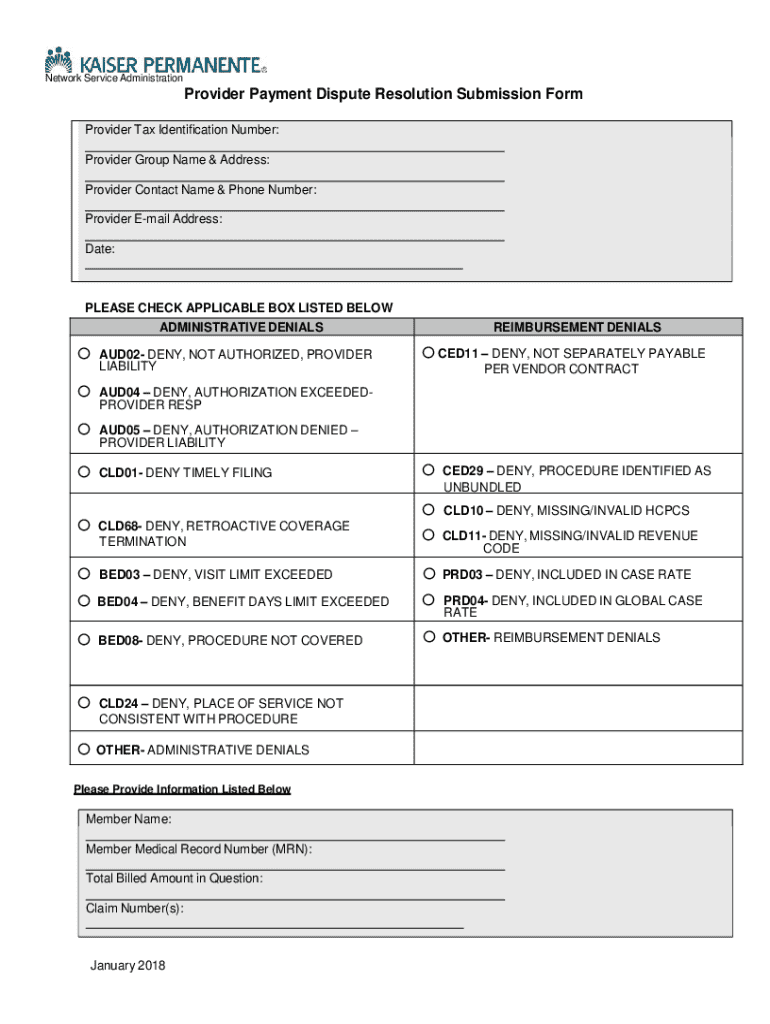







Definition & Meaning
"Form online" refers to a digitized version of a traditional paper form, allowing users to complete necessary documentation through an internet platform. This approach modernizes document handling, making it more efficient and accessible. In the context of DocHub, "form online" includes creating, editing, and managing fillable forms directly through a web interface. Such forms can range from simple contact forms to complex legal or financial documents, designed to be filled out electronically. This digital transformation of traditional paperwork streamlines processes and minimizes the need for physical storage.
How to Use the Form Online
Using a form online typically involves accessing a platform like DocHub, which provides tools to create, edit, and sign documents digitally. First, users must import or create a new form using the platform's suite of features. After selecting or designing the required fields — such as text boxes or signature fields — the form is ready for interaction. Users can then fill out these fields directly on their device, ensuring that all necessary data is inserted correctly. Many platforms also allow for collaboration, enabling multiple users to edit or review the document simultaneously.
Steps to Complete the Form Online
- Access the Platform: Visit the online document platform, such as DocHub, and log in.
- Import or Create a Form: Upload an existing document or start anew with a blank form.
- Add Required Fields: Use tools to insert text boxes, checkboxes, and other interactive elements.
- Fill Out Information: Input data into each designated field, ensuring accuracy.
- Review and Edit: Check for completeness and correct any errors.
- Save and Distribute: Save the completed form to your device or cloud service. Share it via email or other electronic means if necessary.
Who Typically Uses the Form Online
A wide range of individuals and organizations benefit from using forms online. These include:
- Businesses: For HR documents, contracts, and client agreements.
- Healthcare Providers: For patient information and consent forms.
- Educational Institutions: For enrollment forms and administrative documents.
- Legal Firms: For affidavits, power of attorney, and other legal paperwork.
- Government Agencies: To handle tax, license, or regulatory submissions.
Professionals and organizations that require rapid data collection and secure document handling find online forms particularly useful.


Key Elements of the Form Online
Creating an effective online form involves several critical components:
- Interactive Fields: Include text boxes, checkboxes, and dropdown menus for data entry.
- User Guidance: Instructions or tooltips to assist users in completing the form accurately.
- Validation Rules: Ensure that data entered meets specific criteria, such as proper email format.
- Security Features: Encryption and access control for protecting sensitive information.
- Responsiveness: Compatibility with both desktop and mobile devices to increase accessibility.
Creating and Managing Fillable Forms
Platforms like DocHub make the creation and administration of fillable forms efficient. Users can start with pre-existing documents and convert them into interactive templates. The use of diverse field types, like dropdowns and signature slots, supports structured data collection. This feature is vital for ensuring that information is gathered consistently and systematically. Additionally, users can mandate specific fields to be filled, preventing incomplete submissions.
Legal Use of the Form Online
Online forms have legal standing when used under appropriate regulations. For instance, electronic signatures are recognized under the ESIGN Act, ensuring that documents signed in this manner carry legal weight equivalent to traditional hand-signed papers. Platforms like DocHub adhere to these guidelines, offering tools that are compliant with U.S. regulations for document security and authenticity, making online forms suitable for transactions requiring a legal record.
Software Compatibility
Online forms are often designed to work seamlessly with other software, enhancing their utility. DocHub, for instance, integrates effortlessly with popular platforms such as Google Workspace, enabling users to import and export documents without hassle. Its broad compatibility ensures that files remain accessible across different software such as QuickBooks for financial data forms or TurboTax for tax-related documents. This interoperability simplifies workflows by reducing the time spent on manual data transfers.




