





Definition and Meaning of Form Online
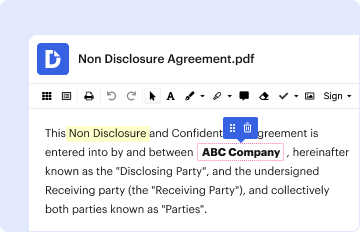
The term "form online" refers to digital versions of documents that were traditionally available only in hard copy. These forms can be accessed, filled out, and submitted electronically, offering significant improvements in convenience and efficiency. In a professional context, online forms can include anything from job applications and legal agreements to tax filings and registration documents. The ability to complete these forms online streamlines processes and reduces paperwork, making it easier for both individuals and businesses to manage their documentation.
Online forms typically mirror their paper counterparts in terms of content but have interactive elements like drop-down menus or auto-fill features to enhance user experience. This transition to digital brings added benefits, such as automated calculations and instant submission confirmations, which are often not possible with paper forms.
How to Use the Form Online
Using a form online typically involves several straightforward steps:
-
Accessing the Form: Navigate to the website offering the form. Many organizations provide forms directly on their official websites. Once there, users can usually find the form by searching for it by name, type, or form number.
-
Completing the Form: After accessing the form, users will fill it out as needed. This process often involves typing information directly into text fields, selecting options from menus, and following on-screen instructions. Advanced forms may guide users through the process with hints or validation features to ensure accuracy.
-
Submitting the Form: After completion, the form is usually submitted via a button that may be labeled "Submit," "Send," or "File" depending on its purpose. Some systems may require users to agree to terms and conditions before submission.
-
Confirmation: Once submitted, users often receive a confirmation email or on-screen message verifying successful submission. This confirmation typically includes a reference number or link to view the submitted form, which can be crucial for personal records or follow-up actions.
Steps to Complete the Form Online
Completing a form online involves a systematic process:
-
Preparation: Before accessing the form, gather all necessary personal information or supporting documents that may be needed. This could include identification numbers, previous documents, or financial information.
-
Accessing the Platform: Use an internet-connected device to navigate to the platform hosting the form. Make sure the platform is secure by checking for "https://" in the URL or a padlock symbol in the browser.
-
Filling Out the Form: Enter the required information into designated fields. Ensure all data is accurate to avoid processing delays. For forms with multiple sections, use navigational buttons to move between them.
-
Reviewing Entries: Before submission, verify all information entered. Platforms often allow users to review their entries in a summary view.
-
Submitting the Form: Finalize the submission by following platform-specific instructions. Some systems require authentication, such as logging in or entering a security code.
-
Saving a Copy: Save a digital copy of the submitted form for personal records. This can be done by downloading the form or taking a screenshot of the confirmation message.
Important Terms Related to Form Online
-
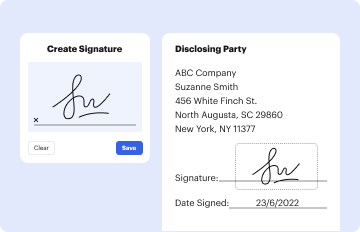
Electronic Signature: A digital version of a handwritten signature. It often involves clicking on a button or typing your name and is legally binding in contexts like contracts or legal documents.
-
Encryption: A security measure that converts data into a code to protect it from unauthorized access during transmission.
-
Validation: The process of checking the form to ensure all required fields are filled and the information is accurate. This is often automated and provides instant feedback if errors are detected.
-
Interactivity: Features that allow users to engage with the form beyond static input, such as dropdowns, checkboxes, and radio buttons for selection.
-
Secure Socket Layer (SSL): A protocol for establishing authenticated and encrypted links between networked computers. Seen as a crucial element in protecting data on online forms.
Legal Use of the Form Online
Online forms, when submitted properly, carry the same legal weight as their paper counterparts. This acknowledgment is supported by various laws and regulations, such as the Electronic Signatures in Global and National Commerce (ESIGN) Act in the United States, which gives electronic signatures and records the same legal standing as traditional paper documents.
For many legal applications, such as contracts and tax returns, completing and submitting forms online can streamline processes without compromising legal validity. However, ensure that the platform used complies with relevant legal standards and practices proper data handling and security protocols.
Key Elements of the Form Online
Most online forms have several key elements designed to ensure smooth completion and submission:
-
Instructions: Provides users with step-by-step guidance on how to fill out the form correctly.
-
Mandatory Fields: Indicated with an asterisk (*) or another symbol, these fields must be filled out to proceed with form submission.
-
Help Features: Information pop-ups or tooltips that offer additional guidance on complex sections or terms within the form.
-
Submission Button: Final step to send the form for processing. Often accompanied by a disclaimer about submitting truthful and correct information.
-
Errors and Alerts: Features that notify users of missing information or incorrect entries, allowing corrections before the form is submitted.
State-Specific Rules for Forms Online
Depending on the type of form, state-specific regulations may need to be considered. For instance, online tax forms may have unique requirements concerning filing deadlines and exemptions in different states.
It's essential for users to understand that, while a form may be completed online, its requirements and implications can vary significantly based on regional laws and guidelines. Accessing state resources or legal advisories may be necessary to ensure compliance and accuracy when submitting state-specific forms.
Examples of Using Form Online
Businesses and individuals use online forms for a wide variety of applications:
-
Tax Filings: Platforms like TurboTax and other tax preparation software allow for digital completion and submission of tax forms to the IRS.
-
Job Applications: Many organizations prefer digital submissions of applications, which can easily integrate with HR software for seamless processing and tracking.
-
Legal Contracts: Services like DocuSign or DocHub streamline the process of drafting, signing, and sending legal agreements online.
These examples highlight the versatility of online forms in various sectors, demonstrating their potential to simplify and expedite traditionally paperwork-heavy processes.