






Definition & Meaning
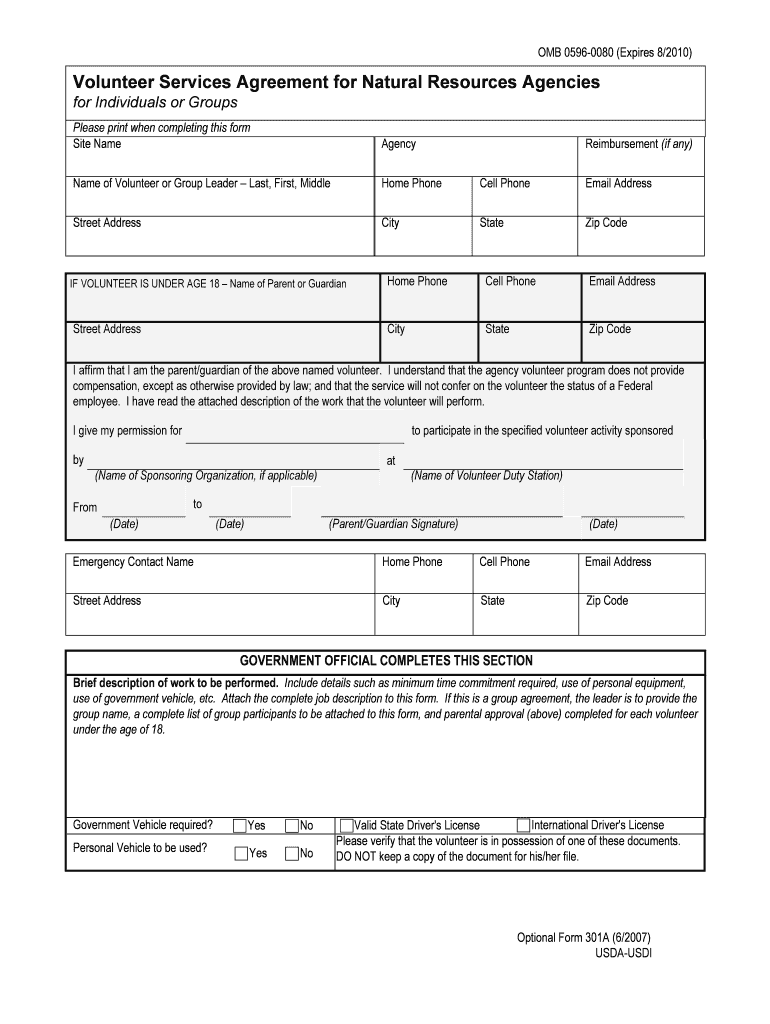
The "Volunteer Application - US Fish and Wildlife Service" is a formal document designed to onboard individuals or groups interested in volunteering with the U.S. Fish and Wildlife Service. This application serves as a comprehensive agreement detailing the responsibilities, rights, and expectations of volunteers. It is structured to ensure that all parties understand their roles and the legal parameters of their involvement. Volunteers are clearly informed about the nature of their work, safety protocols, and any conditions under which they would be considered federal employees.
How to Use the Volunteer Application - US Fish and Wildlife Service
The application process involves several steps to ensure that prospective volunteers are well-informed and committed to the responsibilities they will undertake. Upon obtaining the application, the first step involves carefully reading all sections to comprehend the scope of volunteer duties. Applicants are required to provide personal information and emergency contacts, ensuring all data is accurate and up-to-date. Details about the planned volunteer work, including specific tasks and objectives, must be clearly outlined. Parental consent is mandatory for applicants under 18 years old, accompanied by a signature to vouch for the minor’s participation.
Steps to Complete the Volunteer Application
- Download/Obtain the Form: Access the application from the U.S. Fish and Wildlife Service's official website or request a paper copy from a local office.
- Read Thoroughly: Carefully review all sections to understand volunteer responsibilities, rights, and legal considerations.
- Fill Personal Information: Complete sections regarding personal details, contact information, and emergency contacts to ensure clear communication.
- Outline Volunteer Activities: Specify the nature of the volunteer work, including tasks, expected outcomes, and any special skills or requirements.
- Parental Consent: For volunteers under 18, obtain a parental signature to approve participation.
- Review and Sign: Double-check all information, ensuring accuracy before signing the form.
- Submit the Application: Return the completed form according to the guidelines, which might include submitting it online, via mail, or in person at a designated location.
Key Elements of the Volunteer Application
- Personal Information Section: Captures the volunteer’s basic data, ensuring proper identification and communication.
- Emergency Contact Details: Critical in case of unforeseen incidents during volunteer activities.
- Volunteer Work Description: Details the tasks, goals, and expectations tied to the volunteer role.
- Legal Clauses: Defines the boundaries of the volunteer role, including privacy concerns and legal employee status.
- Signature Blocks: Areas for the volunteer (and parent or guardian, if applicable) to sign, confirming agreement and consent.
Legal Use of the Volunteer Application
Volunteers under this agreement are not classified as federal employees, except for specific legal instances such as tort claims related to volunteer activities. This classification is crucial in understanding the extent of obligations and protections under federal law. The form includes privacy policies, which align with federal standards, ensuring confidentiality and non-discrimination in volunteer procedures. Volunteers are expected to comply with the outlined conditions, which form a legally binding agreement once signed.
Who Typically Uses the Volunteer Application
This application is primarily used by individuals interested in contributing their time and skills to conservation efforts under the management of the U.S. Fish and Wildlife Service. It attracts a diverse group, including students fulfilling educational requirements, retirees seeking meaningful community engagement, and conservation enthusiasts committed to preserving natural resources. Educational institutions and community groups may also use this form to authorize and manage group volunteer activities in collaboration with the agency.


Important Terms Related to the Volunteer Application
- Volunteer Agreement: The formal contract outlining volunteer duties and legal considerations.
- Parental Consent: Required authorization from a parent or guardian for minors participating in volunteer work.
- Federal Employee Status: A specific legal designation applicable under certain conditions for volunteers.
- Privacy Policy: Defines how volunteer information is handled, ensuring adherence to confidentiality standards.
Form Submission Methods (Online / Mail / In-Person)
Volunteers can submit applications through various methods for convenience and accessibility. Online submission is often available via the agency’s website, offering a quick and efficient option. Forms can also be mailed to a specified address, especially if applicants are located far from regional offices. In-person submission provides an opportunity to ask questions and receive immediate feedback if needed. These multiple options enhance accessibility, ensuring interested volunteers can engage with the agency effectively.
Eligibility Criteria
Eligibility for volunteering is generally inclusive, aiming to attract a wide range of applicants. Prospective volunteers need to demonstrate a strong interest in conservation and a commitment to the tasks described in the application. Minors need parental consent, while all applicants must be willing to adhere to agency guidelines and safety protocols. The application process typically involves background checks to ensure the safety and security of both volunteers and the environments in which they operate.