

LOCK-OUT DISCLAIMER 2026

Get Form
LOCK-OUT DISCLAIMER Preview on Page 1

Here's how it works

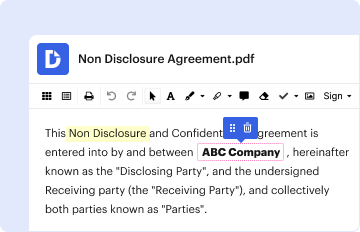
01. Edit your form online
Type text, add images, blackout confidential details, add comments, highlights and more.
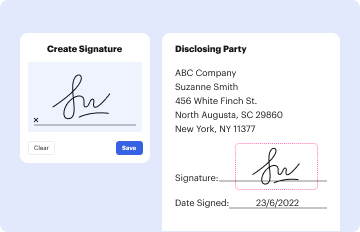
02. Sign it in a few clicks
Draw your signature, type it, upload its image, or use your mobile device as a signature pad.
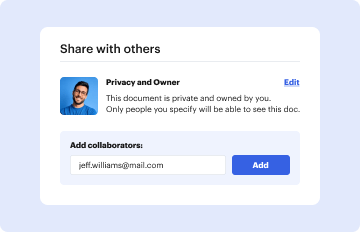
03. Share your form with others
Send it via email, link, or fax. You can also download it, export it or print it out.

How to use or fill out LOCK-OUT DISCLAIMER with our platform

Form edit decoration
9.5
Ease of Setup
DocHub User Ratings on G2
9.0
Ease of Use
DocHub User Ratings on G2
  1. Click ‘Get Form’ to open the LOCK-OUT DISCLAIMER in the editor.
  2. Begin by entering the locksmith business name in the designated field. This identifies who will be providing the service.
  3. Next, fill in your name as the customer requesting service. Ensure accuracy for proper identification.
  4. Select the appropriate service option by ticking one of the boxes that best describes what you need: entry/access only, new keys, or re-programming keys.
  5. Provide details about the premises or vehicle requiring access. Fill in the address, suburb, state, and postcode for properties, or make, model, color, registration number, and VIN for vehicles.
  6. Indicate why you require emergency service by ticking one of the provided options that apply to your situation.
  7. Confirm your identity by specifying the type of identification used and its number. Include a contact number for verification purposes.
  8. Finally, sign and date the form to approve this authority of your own free will. Ensure a witness also signs and dates where indicated.

Start using our platform today to easily complete your LOCK-OUT DISCLAIMER online for free!

See more LOCK-OUT DISCLAIMER versions

We've got more versions of the LOCK-OUT DISCLAIMER form. Select the right LOCK-OUT DISCLAIMER version from the list and start editing it straight away!
Versions Form popularity Fillable & printable
2014 4.1 Satisfied (33 Votes)
be ready to get more

Complete this form in 5 minutes or less

Get form

Got questions?

We have answers to the most popular questions from our customers. If you can't find an answer to your question, please contact us.
Contact us
An example of an exit clause Either party may terminate this Agreement upon thirty (30) days written notice if the other party fails to meet the performance milestones as outlined in Schedule A. In such event, all outstanding obligations shall be settled within sixty (60) days of termination.
A lockout is a situation in which employers close a place of work and prevent workers from entering it until the workers accept the employers new proposals on pay or conditions of work.
A lockout is a restriction within the commercial real estate loan to prevent the prepayment of the loan. If the loan is paid early, then the lender will not benefit from the anticipated yield of the loan.
6 Key Elements to a Successful Lockout Tagout Program Develop and Document a Lockout Tagout Program or Policy. Write Machine/Task Specific Lockout Tagout Procedures. Identify and Mark Energy Isolation Points. Lockout Tagout Training and Periodic Inspection/Audits. Provide Proper Lockout Tagout Devices. Sustainability.
Lock-out agreements are often entered into between parties involved in commercial negotiations. They attempt to increase the opportunities for a successful conclusion by excluding either one or both of the parties from seeking or entertaining approaches from third parties.

Security and compliance

At DocHub, your data security is our priority. We follow HIPAA, SOC2, GDPR, and other standards, so you can work on your documents with confidence.

Learn more
ccpa2
pci-dss
gdpr-compliance
hipaa
soc-compliance
be ready to get more

Complete this form in 5 minutes or less

Get form

People also ask

From a lenders perspective, a lock-out clause is a form of call protection as it prevents prepayment. There is considerable time and effort involved to underwrite and originate a loan, thus the lender wants to ensure a certain level of minimal return on the loan. Lock-out period terms can vary across lenders.

Related links