
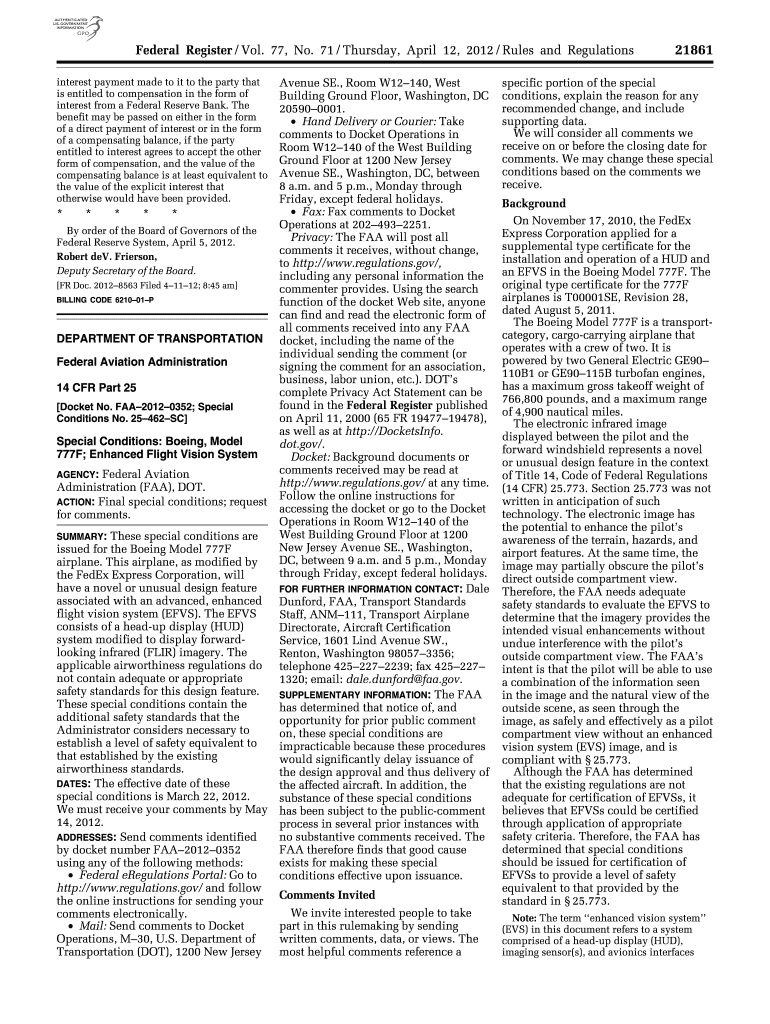







Definition & Meaning
The form "interest payment made to it to the party that - gpo" relates to the structured documentation of interest payments made from one party to another, possibly within a business or legal context. This form is essential for accurately recording and reporting interest transactions to ensure compliance with applicable financial or regulatory requirements. It serves as an official record, specifying the details of the interest payment, including the parties involved, the amount, and the conditions under which the payment is made.
How to Use the Interest Payment Document
To effectively utilize this form, one must understand its significance in recording financial transactions. Begin by identifying the parties involved in the interest transaction – generally, the payer and the receiver. Ensure that all relevant details, such as payment dates, amounts, and conditions, are accurately noted. This documentation can be vital for reconciling accounts, ensuring the integrity of financial records, and providing clear evidence in the case of audits or disputes.
How to Obtain the Interest Payment Document
Securing this document may require contacting the relevant financial institution or organization involved in the transaction. Often, the issuing party responsible for the payment will provide the form as part of their transaction record-keeping processes. In some cases, this document can be downloaded from the organization's website or requested through customer service, ensuring that all parties have consistent and complete records of the transaction.
Steps to Complete the Interest Payment Document
- Identify Parties Involved: Clearly specify the party making the payment and the party receiving it.
- Include Payment Details: Record the amount of interest paid, the frequency of payment (e.g., monthly, annually), and the date of its issuance.
- Outline Terms and Conditions: Note any special terms governing the interest payment, such as applicable interest rates or specific agreements related to the transaction.
- Verify and Submit: Once completed, carefully review the form for accuracy, then submit it through the designated platform, be it online or in-person, ensuring receipt is acknowledged by all parties involved.
Key Elements of the Interest Payment Document
This document typically includes several critical components that ensure its effectiveness in recording transactions:
- Principal Amount: The base amount from which the interest is calculated.
- Interest Rate: The percentage charged on the principal amount.
- Payment Schedule: The agreed-upon frequency and dates of payments.
- Transaction Date: Specifies when the payment was made.
- Parties Involved: Names and roles (payer and payee) in the transaction.
Legal Use of the Interest Payment Document
This form serves as a legally binding record that may be used in various legal contexts, from business contracts to loan agreements. It establishes the terms and conditions under which the interest payments are made, acting as evidence in case of disputes over financial dealings or compliance with regulations. It’s crucial for parties to ensure the form is filled out accurately and stored securely for future reference.
Required Documents for Submission
When submitting this form, additional documentation may be required to verify the transaction details. These could include:
- Identification Documents: Copies of government-issued IDs for both parties.
- Financial Statements: Related financial documents to substantiate the transaction.
- Bank Statements: Records of the actual payment transfer.
- Contracts or Agreements: Any pre-existing agreements that outline the interest payment terms.
Versions or Alternatives to the Interest Payment Document
While the form is standard, variations may exist depending on the specific requirements of different organizations or jurisdictions. Alternatives or previous versions might include similar interest payment forms with slightly different formats or additional fields tailored to particular industries or regulatory standards.
Business Types that Benefit Most from the Interest Payment Form
Various business entities find this form particularly beneficial, including:
- Financial Institutions: To maintain accurate records of interest-related transactions.
- Corporations: Ensuring compliance in interest payments related to internal and external loans.
- Partnerships and LLCs: For recording interest distributions among partners or members.
Examples of Using the Interest Payment Form
- Loan Repayment: Documenting interest paid on a business loan.
- Vendor Agreements: Recording interest payments on overdue invoices.
- Investment Income: Tracking interest earnings from investment securities.
Understanding these critical aspects of the "interest payment made to it to the party that - gpo" form ensures its effective use in tracking and reporting financial transactions.




