




01. Edit your form online
Type text, add images, blackout confidential details, add comments, highlights and more.

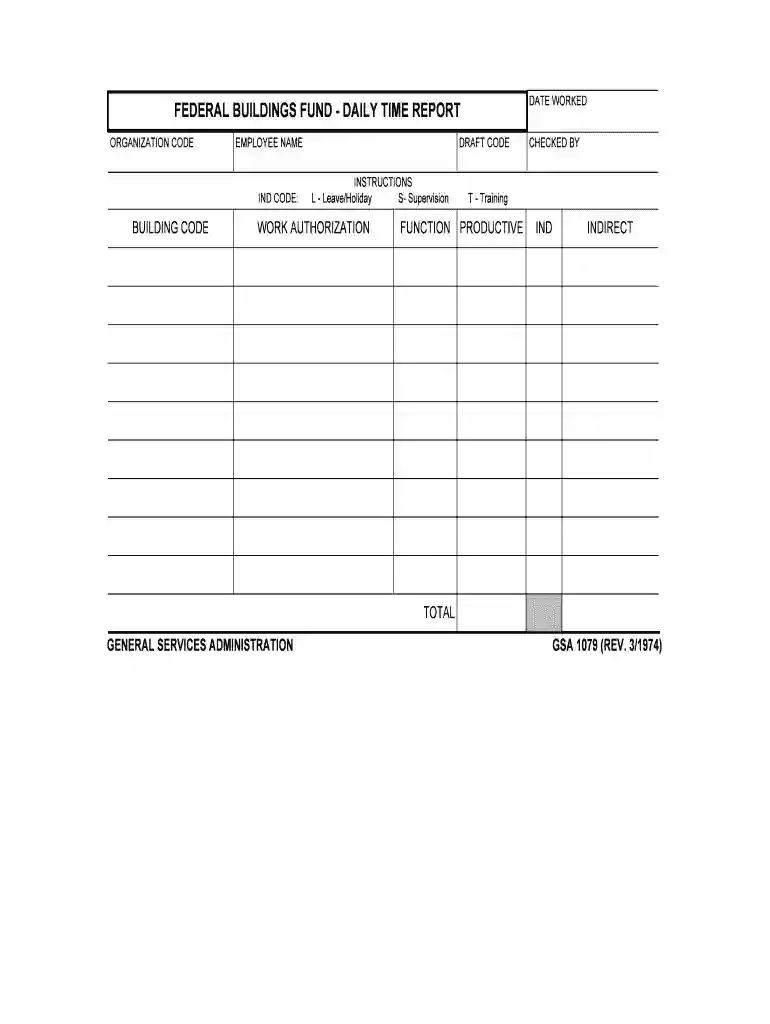
Type text, add images, blackout confidential details, add comments, highlights and more.

Draw your signature, type it, upload its image, or use your mobile device as a signature pad.

Send it via email, link, or fax. You can also download it, export it or print it out.
Mutual fund cut-off timings are specific deadlines set by mutual fund companies determining the transaction date for purchases, redemptions, and switches. The key concept is that if an investor places a transaction request before the cut-off time, it is processed at the net asset value (NAV) determined at the end of that trading day. Conversely, if a request is submitted after the cut-off time, the transaction will reflect the NAV of the following business day.
Understanding the components involved in cut-off timings helps in efficient investment management:
Investors can leverage their knowledge of cut-off timings to optimize their investment choices:
Understanding how to employ cut-off timings can greatly impact investment strategies:
U.S.-based mutual fund operations adhere to compliance guidelines that mandate the transparent execution of transactions based on established cut-off times:
Failure to adhere, especially by institutional planners, can lead to:
While mutual funds often have uniform federal guidelines, minor variances can exist:
Investors are advised to familiarize themselves with both federal and state-specific rules to ensure efficient and compliant transactions.
We've got more versions of the Do you know about cut-off timings in mutual funds? - The form. Select the right Do you know about cut-off timings in mutual funds? - The version from the list and start editing it straight away!
| Versions | Form popularity | Fillable & printable |
|---|---|---|
| 1974 | 4.8 Satisfied (89 Votes) |
At DocHub, your data security is our priority. We follow HIPAA, SOC2, GDPR, and other standards, so you can work on your documents with confidence.

Apr 13, 2022 For instance, Coin by Zerodha has a cut-off time of 1:30 p.m. for all funds on their platform; while one can place an order in equity fundsRead more
by T FRANKEL Cited by 39 If orders do not DocHub the fund before the cut-off time, they will be settled at the price prevailing on the following day. Consequently, under the new cut-
The date is always part of the funds name like the XYZ 2040 Fund. When you select a fund, you typically choose the one whose date is closest to the date youRead more


