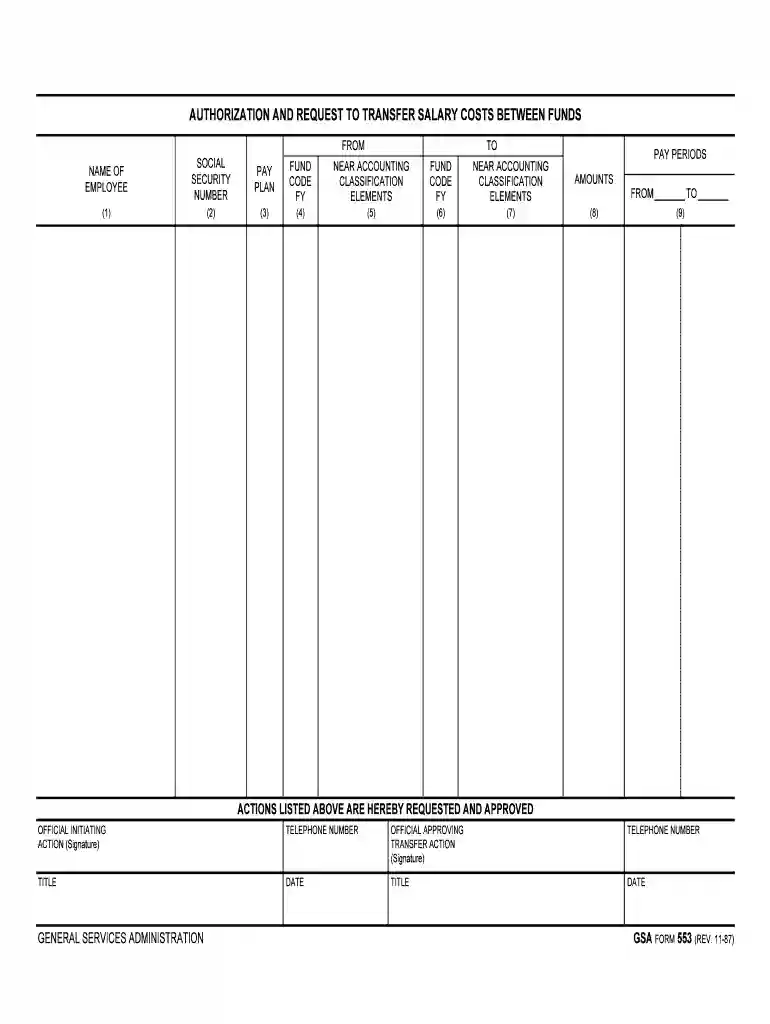
Accounting Classification Code Structure - NOAA 2026

Get Form
Accounting Classification Code Structure - NOAA Preview on Page 1

Here's how it works

01. Edit your form online
Type text, add images, blackout confidential details, add comments, highlights and more.

02. Sign it in a few clicks
Draw your signature, type it, upload its image, or use your mobile device as a signature pad.

03. Share your form with others
Send it via email, link, or fax. You can also download it, export it or print it out.

Definition & Meaning

The Accounting Classification Code Structure (ACCS) - NOAA is a system implemented by the National Oceanic and Atmospheric Administration (NOAA) to categorize and manage financial transactions. This structure is designed to align with governmental accounting standards, helping NOAA efficiently allocate budgets and report financial data across its various programs and activities. ACCS is crucial for maintaining transparency and accuracy in financial documentation and ensures that funds are used according to designated purposes.

Elements of the ACCS

  • Program Codes: Identify specific NOAA programs and their financial allocations.
  • Activity Codes: Detail individual tasks or projects within a broader program.
  • Object Class Codes: Categorize expenses by type, such as personnel or capital expenses.
  • Fund Codes: Specify the financial source, whether it’s federal or external funding.
  • Cost Centers: Used to attribute expenses to different branches or operational units.

How to Use the Accounting Classification Code Structure - NOAA

Understanding how to use the ACCS is vital for anyone involved in NOAA's financial operations. The system provides clarity by allowing users to track financial transactions accurately and categorize them appropriately.

Step-by-Step Guidance

  1. Identify the Transaction Type: Determine if the transaction relates to a specific program or is part of general operations.
  2. Select Appropriate Codes: Use NOAA's ACCS guidelines to select the correct program, activity, object class, and fund codes.
  3. Log the Transaction: Enter the information into NOAA’s financial management system.
  4. Review Entries: Regularly audit entries for accuracy and compliance with financial regulations.

Practical Example

Suppose a NOAA department purchases new equipment for an ocean monitoring project. The expense would require the correct program code for ocean research, an activity code for project expenditure, an object class code for capital expenses, and a fund code showing the capital source.

Steps to Complete the Accounting Classification Code Structure - NOAA

Completing the ACCS involves several steps to ensure accurate reporting and accountability.

Completion Process

  1. Gather Necessary Information: Collect all details regarding the transaction, including cost, purpose, and funding source.
  2. Access the ACCS Documentation: Consult the NOAA ACCS manual to understand the applicable codes.
  3. Utilize Financial Software: Enter and categorize the transaction within NOAA's approved financial management software.
  4. Verify Entries: Double-check all entries to prevent misclassification, which could lead to reporting errors.

Considerations

  • Accuracy: Ensure all classification codes are correct to reflect true financial usage.
  • Compliance: Stay updated with any changes in NOAA's classification guidelines or federal regulations to ensure ongoing compliance.

Who Typically Uses the Accounting Classification Code Structure - NOAA

The ACCS is primarily used by individuals involved in NOAA’s financial management, including accountants, financial analysts, and program managers.


decoration image ratings of Dochub

User Insights

  • Accountants: Facilitate budget management and financial reporting.
  • Program Managers: Monitor expenditure against program allocations.
  • Auditors: Ensure adherence to financial policies and procedures through audits.

Scenario

A program manager overseeing a marine conservation initiative may use the ACCS to track and report on project-specific expenditures, ensuring funds are used efficiently and transparently.

Key Elements of the Accounting Classification Code Structure - NOAA

The ACCS is composed of several key elements that facilitate effective financial management.

Essential Components

  • Object Class Codes: Help categorize expenditures, which informs budget planning and financial decision-making.
  • Program Identification: Associates expenditures with specific NOAA programs, ensuring clear tracking.
  • Fund Source Information: Details the origin of funds, essential for reporting and compliance.

Examples of Using the Accounting Classification Code Structure - NOAA

Implementing the ACCS in real-world NOAA operations highlights its effectiveness in financial management.

Usage Scenarios

  • Project Budgeting: Allocates funds to various components of a large-scale research project, ensuring each element is adequately funded.
  • Expenditure Tracking: Tracks expenses in real-time, providing insights into spending patterns and financial health.

Case Study

A NOAA team using ACCS correctly assigned codes to a multi-year storm observation program, enabling transparent budget allocation and extensive expenditure analysis, invaluable during audits.

Legal Use of the Accounting Classification Code Structure - NOAA

Legal implications of using the ACCS are significant for compliance and regulatory adherence.

Compliance Regulations

  • Federal Guidelines: ACCS aligns with governmental financial regulations, ensuring compliance in all reporting.
  • Audit Requirements: Proper classification under ACCS is crucial during audits to verify legal and financial compliance.

Real-World Context

During an audit, NOAA’s use of ACCS ensures that expenditures can be traced and justified according to federal guidelines, thus maintaining legal integrity.

Important Terms Related to the Accounting Classification Code Structure - NOAA

Understanding the terminology associated with ACCS enhances comprehension and proper application.

Key Terms

  • Program Codes: Identifiers for specific NOAA programs within the organizational budget.
  • Activity Codes: Designations for particular projects or operational tasks.
  • Fund Codes: Labels that indicate the financial source, critically affecting reporting and analysis.

Clarification Examples

A fund code might specify external grants, indicating that certain legal and reporting requirements are applicable, based on the funding source rules.

Required Documents

Several documents are required to accurately implement and manage the ACCS system.

Document Checklist

  • Financial Reporting Forms: Required for detailed financial reporting and audits.
  • Authorization Records: Necessary for tracking departmental expenditure approvals.
  • Project Documentation: Includes project specifics that align with financial entries.

Application

In implementing ACCS, ensuring that all supporting documents are complete and updated is critical to maintain both internal and external audit readiness.

be ready to get more

Complete this form in 5 minutes or less

Get form

Got questions?

We have answers to the most popular questions from our customers. If you can't find an answer to your question, please contact us.
Contact us
There are three different classes of accounting which are Financial Accounting, Cost Accounting, and Management Accounting. All three have their own characteristics and use. Further, they have different results as well as recording and maintenance. Let us understand elaborately the classification of accounting.
What are the four major accounting fields? There are actually many different fields of accounting. Four of the most common are financial accounting, managerial accounting, tax accounting, and government accounting.
There are three different classes of accounting which are Financial Accounting, Cost Accounting, and Management Accounting. All three have their own characteristics and use.
Accounting Classification Code (ACC) A nine-digit character code defined in the Financial Management System (FMS) and established for each budget fiscal year. FMS contains information on standard ACCs used by more than one station and non-standard codes that are used by a single station.
5 Types of accounts in accounting Assets. Expenses. Liabilities. Equity. Revenue (or income)

Security and compliance

At DocHub, your data security is our priority. We follow HIPAA, SOC2, GDPR, and other standards, so you can work on your documents with confidence.
Learn more
ccpa2
pci-dss
gdpr-compliance
hipaa
soc-compliance

People also ask

The 5 primary account categories are assets, liabilities, equity, expenses, and income (revenue) Once you understand how debits and credits affect the above accounts, its easier to determine where to place your sub-accounts.

Related links