
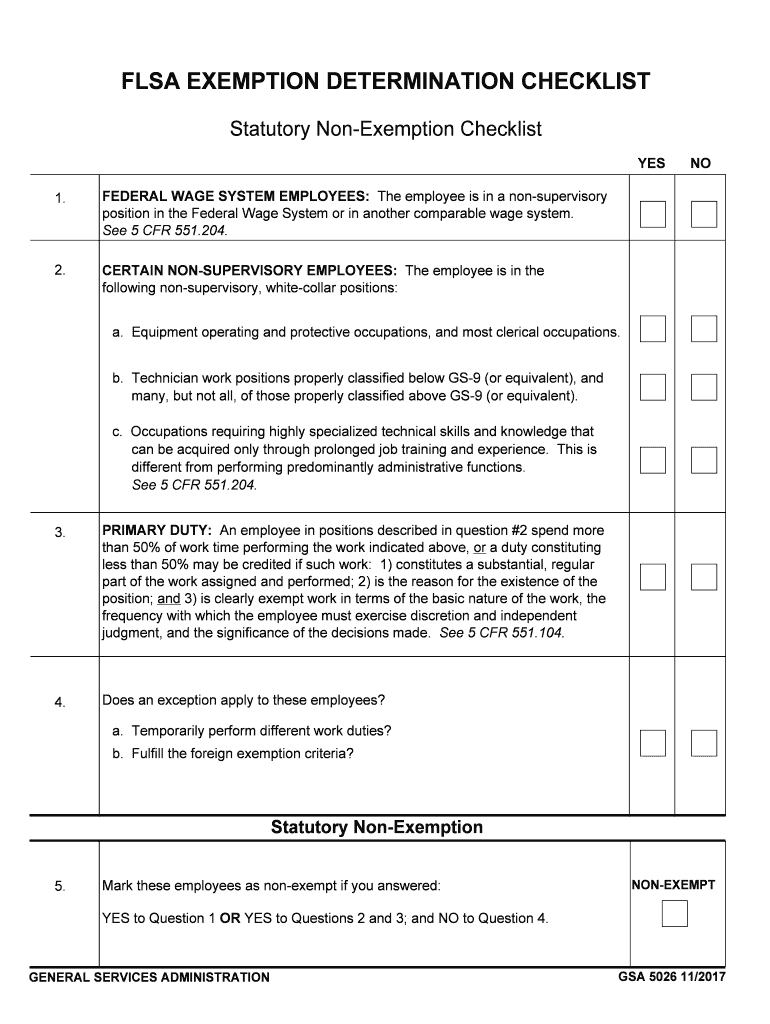







Definition & Meaning
The "Federal Wage System Employees: The Employee is in a Non-Supervisory" form pertains to the classification of federal employees who are under the Federal Wage System (FWS) and hold non-supervisory positions. This system is used primarily for aligning the pay of blue-collar workers with that of similar roles in the private sector. Non-supervisory roles under this system typically involve routine, operational tasks as opposed to oversight and management responsibilities. These employees do not hold managerial roles but perform essential tasks within federal operations.
Key Elements of the Form
Understanding the key elements of this form is crucial for accurate classification and compliance. Key components include:
- Position Description: Details regarding the specific tasks and duties performed by the employee in their role. This helps to ensure the classification aligns with federal standards.
- Pay Grade Information: Specific information about the pay scale under the FWS which places employees in appropriate compensation brackets.
- Non-Supervisory Status Verification: Confirmation that the employee does not serve in a supervisory capacity, which affects their wage determination.
- Job Code and Series Identification: Codes and series numbers that classify the type of work and job family the position belongs to.
Eligibility Criteria
Eligibility under the Federal Wage System for non-supervisory positions requires meeting specific criteria:
- Federal Employment Status: Only current federal employees or individuals being hired into the federal workforce can fall under this system.
- Job Role: The position must be categorized as non-supervisory, focusing on operational or support tasks rather than managerial duties.
- Location of Employment: Employees are typically classified based on the geographic location, which can influence pay scales and benefits. This is to reflect local private sector wage standards.


Steps to Complete the Form
Completing this form requires precise steps to ensure compliance and accuracy:
- Gather Required Information: Compile details about the employee's job duties, location, and pay grade.
- Verify Non-Supervisory Role: Ensure that the position does not entail supervisory responsibilities.
- Fill Out Personal Details: Accurately enter the employee's identification and contact information.
- Double-check Pay Scale Data: Confirm that the wage data aligns with the appropriate FWS scale.
- Submit for Approval: Once filled, the form should be submitted to the relevant departmental or HR office for validation and approval.
Legal Use of the Form
The legal use of the "Federal Wage System Employees: The Employee is in Non-Supervisory" form includes:
- Compliance with Federal Guidelines: Ensuring all wage and classification decisions adhere to federal wage laws and guidelines.
- Record-keeping: Helping maintain accurate records for audit purposes and supporting personnel management strategies.
- Employment Benefits Decisions: Influencing the benefits and compensatory factors provided to non-supervisory federal employees.
Examples of Using the Form
Real-world scenarios where the form is critical include:
- Reclassification of Employees: When roles are reviewed to ensure they meet the federal wage standards, this form is essential for documenting non-supervisory classifications.
- New Employee Onboarding: During the onboarding of a new federal employee, documenting their wage and role classification accurately.
- Periodic Evaluations: Used during regular personnel reviews or audits to confirm pay structure and role consistency with standards.
Who Typically Uses the Form
This form is generally used by:
- Human Resources Departments: For classifying positions within the federal workforce accurately.
- Payroll Administrators: To determine wage scales for non-supervisory positions.
- Federal Employees: Understanding their classification can help employees verify their pay and role status under the FWS.

Important Terms Related to the Form
Familiarity with the following terms can aid in understanding this form:
- Federal Wage System (FWS): A system that governs the pay scales for federal blue-collar workers.
- Non-Supervisory Role: Positions or job duties that do not involve overseeing other employees.
- Position Description: Document outlining the tasks and responsibilities associated with a specific job.
- Pay Grade / Scale: Levels of salary or wages assigned to particular jobs or roles, often determined regionally.
Required Documents
To complete this form accurately, certain documents may be necessary such as:
- Job Descriptions: Detailed outline of duties and responsibilities associated with the role.
- Employment History: Records verifying the employee's work history if required.
- Pay Scale Charts: Current pay scale documentation relevant to the FWS.
Digital vs Paper Version
This form can be completed through both digital and traditional means:
- Digital Format: Allows for quick updates and easier storage, often integrated into federal HR systems.
- Paper Format: Useful for maintaining hard copy records, can be more cumbersome in terms of storage and accessibility.
Penalties for Non-Compliance
Non-compliance with the "Federal Wage System Employees: The Employee is in a Non-Supervisory" form requirements can lead to:
- Legal Repercussions: Potential violations of federal regulations regarding employee classification and wages.
- Audits and Sanctions: Government audits could result in penalties or required restitution for improperly classified employees.
- Impact on Employee Benefits: Misclassification could affect access to benefits or appropriate pay, leading to disputes or grievances.
Form Submission Methods
There are several ways to submit this form, each suitable depending on organizational capabilities:
- Online Submission: Preferred for speed and efficiency, with digital completion and submission through federal portals.
- Mail Submission: Traditional method, useful where digital infrastructure is limited.
- In-Person Processing: Some agencies may require or prefer face-to-face submissions for verification and discussion purposes.




