






Definition & Meaning
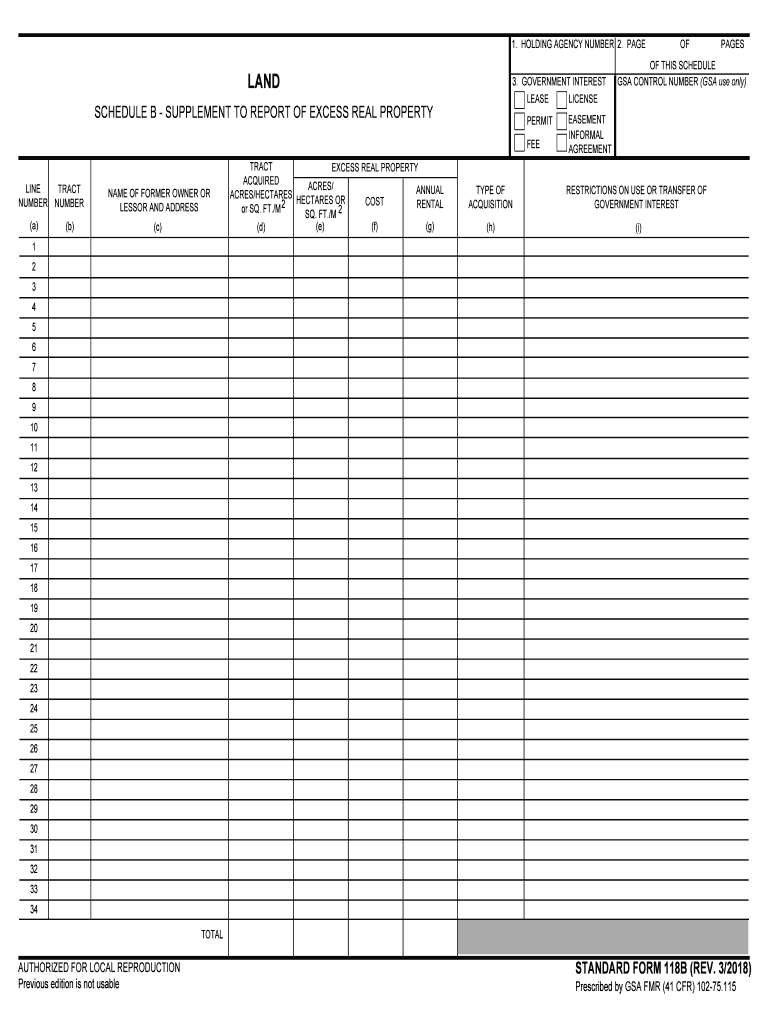
GAO-09-283R, Federal Real Property - Government, is a critical document utilized by government agencies to manage federal real property assets effectively. The form is primarily used for the evaluation and reporting of excess real property, ensuring that properties no longer needed for federal purposes can be repurposed or disposed of efficiently. This helps in maintaining an organized inventory of government resources and promotes transparency in real property management. The form is part of the Government Accountability Office (GAO) reports, which aim to provide oversight and improve the accountability of federal properties.
How to Use the GAO-09-283R, Federal Real Property - Government
Using the GAO-09-283R form involves a detailed process of cataloging property information accurately. Government officials and relevant department personnel should begin by filling out sections that detail essential data such as the agency number, property location, and current usage. You also need to provide information on the property's condition, future plans, or restrictions that may limit its use. Once complete, the form must be reviewed by designated authorities within the agency to ensure all entries are accurate and complete before submission.
- Data Entry: Ensure that all fields, including property description, use status, and significance, are filled accurately.
- Verification: Conduct a thorough review to check for complete and correct data.
- Submission: The completed form is typically submitted to a central property management office for further action.
Steps to Complete the GAO-09-283R, Federal Real Property - Government
- Gather Information: Collect comprehensive property data, including the agency's specific details and a full description of the property.
- Document Property Status: Determine and note the excess status of the property, including any barriers to its disposal or reuse.
- Consult with Authorities: Engage with relevant property management authorities to confirm section requirements and review entries.
- Complete Required Fields: Carefully fill out each mandatory section of the form based on current property records.
- Review and Sign: Check the filled form for completeness and sign it according to agency requirements.
- Submit Form: Deliver the form to the appropriate channels for processing and approval.
Why Should You Use GAO-09-283R, Federal Real Property - Government
Utilization of the GAO-09-283R offers several benefits to government agencies, such as:
- Efficient Property Management: Allows for the systematic management of properties and reduction of underused or unnecessary assets.
- Cost Savings: Identifying and repurposing excess properties can save governmental resources and reduce unnecessary maintenance expenses.
- Transparency: The form promotes accountability and transparency in federal property management by documenting property status and usage intentions.
Who Typically Uses the GAO-09-283R, Federal Real Property - Government
The GAO-09-283R form is predominantly used by government agency officials responsible for real property oversight and management. This includes asset management teams, property officers, and supervisory bodies who manage and track government assets. Additionally, the document may be used by auditors assessing the agency's efficiency in property management and usage.


Key Elements of the GAO-09-283R, Federal Real Property - Government
- Agency Information: Includes agency name, identification number, and property management office contacts.
- Property Details: Comprehensive information on property location, current use, size, and facility condition.
- Excess Status: Details on whether the property is deemed excess and justifications or restrictions that might impact its status.
- Future Plans: Documentation about intended future use or actions concerning the property.
Legal Use of the GAO-09-283R, Federal Real Property - Government
Legal use of the GAO-09-283R is crucial for maintaining compliance with federal property management regulations. The form serves as documentation evidence for federal oversight procedures to ensure that excess properties are managed according to legal and regulatory frameworks. Failure to correctly use or submit the form can have legal implications, highlighting its importance in the accountability process.
Examples of Using the GAO-09-283R, Federal Real Property - Government
Consider a federal agency in possession of an underutilized office building. Upon recognizing the property as surplus to its needs, the agency completes the GAO-09-283R form to officially document the property's status. This record assists in discussions on potential leasing, sale, or repurposing of the location, ensuring all steps align with federal property mandates.
- Case Study 1: A government facility transitioned from federal use was identified as excess and repurposed for local community services through accurate completion of the GAO-09-283R form.
- Case Study 2: During a routine audit, a department was evaluated for compliance in managing its real property assets, where the GAO-09-283R forms played a vital role in verifying the agency's claims and processes.
Providing comprehensive and well-documented reports using the GAO-09-283R form represents a best practice approach to federal property management, benefiting government operations and public resources.