Definition and Meaning
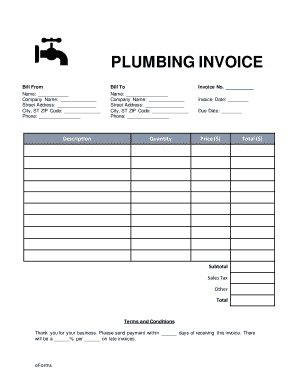
A hand receipt form is a document used to acknowledge the transfer and receipt of items or payment between parties. Commonly used in various business transactions, it serves as a proof of receipt, documenting the details of the items or cash received. This can include goods handed over in a business deal, equipment issued to employees, or payments made for services. The form typically includes sections for descriptions, quantities, prices, and signatures from both the issuing and receiving parties, ensuring a clear record of the transaction.
Common Uses
- Equipment Issuance: Businesses often use hand receipt forms to track equipment assigned to employees.
- Cash Transactions: Used as a record for cash payments, replacing the need for digital confirmation methods.
- Sales and Purchases: Facilitates the transfer of goods in both retail and wholesale settings, documenting product details and prices.
How to Use the Hand Receipt Form
To effectively utilize a hand receipt form, individuals need to ensure it accurately captures all relevant transaction details.
- Fill in Party Information: Start by entering the names and contact details of both the issuing and receiving parties.
- List Items or Payments: Clearly describe each item or cash amount. Include serial numbers, descriptions, or any pertinent details to avoid ambiguities.
- Confirm Details: Double-check quantities, amounts, and descriptions for accuracy before finalizing.
- Signatures: Both parties should sign to confirm the receipt and acceptance of the documented items or cash.
Practical Examples
- Business Context: When a company issues a laptop to an employee, a hand receipt form records the serial number, condition, and terms of use.
- Cash Payment: A freelancer receiving a payment for services might use a hand receipt form to create a non-digital record of the transaction.
Steps to Complete the Hand Receipt Form
Completing a hand receipt form requires attention to detail and clear communication between parties involved. Follow these steps for accuracy:
- Header Information: Enter the date of the transaction and form number for reference.
- Itemized List: Fill in each item’s description, unit price, and quantity. Use additional fields for specific identifiers like serial numbers.
- Total Value: Calculate and enter the total cost of the listed items or total cash amount received.
- Recipient Confirmation: The recipient examines the list to confirm receipt of all items or funds as listed.
- Signatures and Dates: Both parties should sign and date the form to validate the transaction.
Considerations
- Verification: Each entry should be verified by both parties for accuracy before signing.
- Retention: Keep copies of all hand receipt forms for record-keeping and audit purposes.
Key Elements of the Hand Receipt Form
The effectiveness of a hand receipt form relies on its comprehensive and detailed structure. Key elements typically include:
- Identification: Form number and transaction date for easy reference.
- Parties Involved: Information about the issuer and recipient.
- Items or Amounts: Detailed list of each item, including descriptions and quantities.
- Authorization Section: Signatures of the issuer and recipient with the date of receipt.
- Additional Remarks: Space for any notes or special conditions related to the transaction.
Detailed Breakdown
- Identification Section: Ensures that each form corresponds to a specific transaction, aiding traceability and record-keeping.
- Itemized Section: Provides a clear, structured layout for listing items, essential for both parties to review and confirm details.
Industry Examples
- Retail and Wholesale: Provides a clear record of sales and inventory transfers.
- Corporate: For asset tracking and lending equipment internally.
Legal Use of the Hand Receipt Form
The hand receipt form can have legal implications, serving as a binding document that confirms the transfer of goods or cash. Its legal recognition stems from:
- Contractual Evidence: The signatures from involved parties can be used as legal proof of agreement and transaction completion.
- Dispute Resolution: In case of disagreements, the form serves as evidence of receipt and accepted terms.
Case Studies
- Business Dispute: A company used the hand receipt form as evidence in court, proving the transfer of goods without damage, as initially claimed by the recipient.
- Audit Trails: In audits, these forms verify that reported inventory levels match actual equipment issued to employees.
State-Specific Rules for the Hand Receipt Form
While general guidelines exist for using hand receipt forms, specific legal and procedural variations can occur state by state within the United States.
Specific State Variations
- California: Emphasizes detailed documentation for electronic equipment due to more stringent data protection laws.
- Texas: May require additional documentation for transactions involving high-value items like machinery or vehicles.
Digital vs. Paper Version
Advancements in technology have led to the evolution of hand receipt forms, offering both digital and paper options.
Comparing Digital and Paper Formats
- Digital Forms: Allow easy storage, sharing, and retrieval using cloud services. They are often equipped with features like automatic calculations and real-time collaboration.
- Paper Forms: Still prevalent in areas lacking digital infrastructure. Often considered more secure for sensitive transactions requiring physical signatures.
Advantages of Each
- Digital Format: Facilitates remote transactions and reduces physical storage needs.
- Paper Format: Offers simplicity and directness in places where digital literacy or access is limited.
Penalties for Non-Compliance
Failure to utilize or accurately complete a hand receipt form can lead to significant consequences, depending on the sector and transaction scale.
Examples of Non-Compliance Issues
- Missing Documentation: Can result in financial discrepancies and business audit issues.
- Incorrect Entries: Lead to inventory mismatches, requiring adjustments and potential penalties during audits.
Sector-Specific Penalties
- Business Sector: May face penalties for failing to maintain accurate records or in cases of disputed transactions.
- Government Sector: Non-compliance can result in legal action or loss of public trust when handling sensitive assets.