
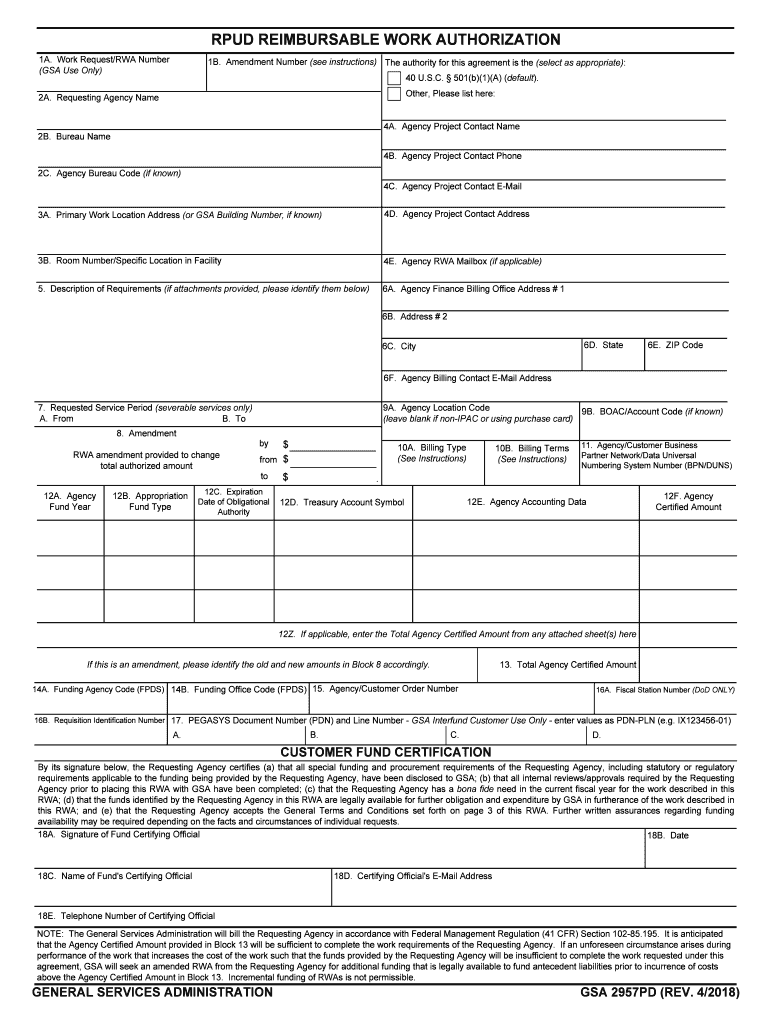







Definition & Meaning
The "40 U" form is used for tax reporting purposes and its specific intent varies based on the jurisdiction or regulatory body that issues it. In general, forms like "40 U" help taxpayers provide necessary information to fulfill legal and financial obligations. The precise applications can differ across contexts, so it’s important to consult specific guidelines related to its usage.
How to Use the 40 U
To utilize the 40 U form effectively, gain thorough understanding of the instructions provided either alongside the form or from the issuing authority. These instructions typically outline which fields require completion, the format expected, and any supplementary documentation needed. Users should be versed in the definitions of each field to avoid common errors, like misreporting income or designation.
Steps to Complete the 40 U
-
Gather Required Information: Before filling out the 40 U, compile all necessary documents, such as income statements, receipts, or identification numbers.
-
Read Instructions: Review the accompanying guidelines to understand each section's requirements.
-
Fill Out Personal Details: Start by completing the personal information section, ensuring accuracy in name, address, and identification numbers.
-
Report Financial Information: Enter all required financial data as specified, cross-referencing with your financial records to ensure accuracy.
-
Review and Verify Information: Double-check each entry for any misreporting or errors, as inaccuracies can lead to delays or issues with submission.
-
Submit the Form: Once completed and reviewed, submit the form using the specified method, whether it be online, by mail, or in-person.
Required Documents
To complete the 40 U form accurately, taxpayers typically need the following documents:
- Financial statements like W-2s or 1099s
- Bank statements for compiling total income
- Receipts or bills for deductible expenses if applicable
- Identification documentation, like Social Security cards or tax IDs
- Prior year tax returns for reference
These documents ensure all details provided align with official records, reducing the risk of discrepancies.
Filing Deadlines / Important Dates
The deadlines for submitting the 40 U form are set by the issuing authority. It's crucial to consult the relevant calendar for tax period dates, as this affects possible penalties for late submission. Preparing submissions well in advance of these deadlines can help in managing requirements efficiently.
Who Typically Uses the 40 U
The 40 U form is generally used by taxpayers who need to report specific types of income or transactions to tax authorities. It's commonly used by self-employed individuals, business owners, or entities who manage diverse income streams. Understanding whether the 40 U applies to your financial situation is critical for compliance.


Important Terms Related to 40 U
- Gross Income: Total income earned before taxes and deductions.
- Net Income: Income after deductions, adjustments, and taxes.
- Deduction: An allowable expense subtracted from gross income to result in net income.
- Filing Status: A category indicating tax treatment, such as single, married filing jointly, etc.
Familiarity with these terms can facilitate filling out the form with greater ease and accuracy.
Penalties for Non-Compliance
Failure to file the 40 U form or inaccuracies in the report can lead to significant penalties, including fines and interest charges on owed amounts. The severity of penalties can vary based on how late the submission is and the magnitude of discrepancies. To avoid these, ensure timely and accurate filing.
Form Submission Methods (Online / Mail / In-Person)
Different submission methods are available for the 40 U form, including:
- Online Submission: Often the quickest and most streamlined method, allowing for immediate confirmation of receipt.
- Mail: Traditional paper submission, which requires correct postage and adherence to mail-in deadlines.
- In-Person: Direct submission to a local tax office, useful if guidance from a tax representative is needed.
Choosing the right submission method based on your circumstances and ensuring timely dispatch can help in meeting deadline obligations.




