01. Edit your form online
Type text, add images, blackout confidential details, add comments, highlights and more.

Type text, add images, blackout confidential details, add comments, highlights and more.

Draw your signature, type it, upload its image, or use your mobile device as a signature pad.

Send it via email, link, or fax. You can also download it, export it or print it out.
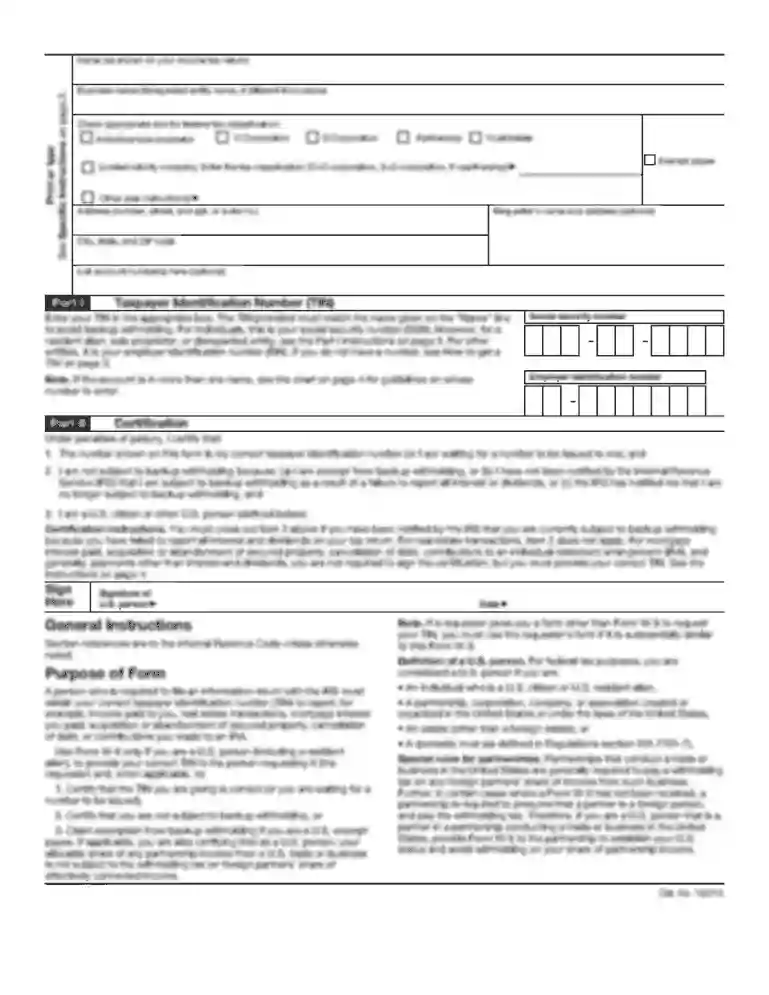
The "Confidential Financial Statement as of - Texas Capital Bank" is a comprehensive document used to capture detailed personal and financial information of applicants and co-applicants. This document includes essential sections such as personal identification, assets, liabilities, income sources, cash flow statements, and detailed schedules covering accounts, securities, real estate, and other financial interests. Its primary function is to provide an in-depth overview of the applicants' financial conditions, which is crucial for accurate credit evaluation by the bank.
Properly utilizing the Confidential Financial Statement involves understanding its structure and requirements. Begin by thoroughly reviewing all sections to familiarize yourself with the types of information needed. You'll need to gather detailed personal and financial data, such as income sources, asset valuations, and existing liabilities. Ensure accuracy and completeness in entering this data, as any discrepancies could affect the credit evaluation process.
Collect Personal Information: Start by filling out personal identification details, including full names, social security numbers, and contact information for both applicant and co-applicant.
Assets Section: Detail all assets, including bank accounts, investments, and tangible property like real estate.
Liabilities: Document existing debts, such as mortgages, car loans, and credit card balances.
Income Sources: Include all income streams, detailing amounts and frequency of income receipt.
Cash Flow Statements: Prepare statements detailing monthly income versus expenses to provide a clear picture of financial health.
Review and Verify: Double-check the information for accuracy before submitting.
To obtain the Confidential Financial Statement form, contact Texas Capital Bank directly, either through a local branch visit or via their official website. Some banks may offer an option to download the form online, while others might require a request through email or a phone call. Ensure you access the most current version of the form to prevent any discrepancies during the application process.
The primary users of this financial statement are individuals seeking credit from Texas Capital Bank. This could include personal borrowing for real estate, car loans, business ventures, or other financial products requiring detailed financial scrutiny. Both individual and joint applicants use this form to provide the bank with the necessary financial insights for credit risk assessment.


Completing this form is essential for those seeking to secure loans or credit from Texas Capital Bank. It provides a comprehensive view of an applicant's financial status, helping the bank assess creditworthiness accurately. Moreover, by submitting this form, applicants can potentially expedite the evaluation process and increase their chances of approval by presenting a clear financial picture.
While the Confidential Financial Statement generally maintains a standard format, variations can occur due to differing state regulations. It is crucial for applicants domiciled in Texas, or any other state, to understand any local regulations or requirements that may affect the form. Consulting with a legal or financial advisor familiar with state-specific laws can provide clarity and ensure compliance.
Filling out the Confidential Financial Statement inaccurately or failing to provide necessary information can result in delays or rejections of your credit application. In cases where false information is discovered, there could be legal consequences, including potential charges for fraud. Therefore, it is imperative to ensure completeness and honesty in all disclosures.
We've got more versions of the Confidential Financial Statement as of - Texas Capital Bank form. Select the right Confidential Financial Statement as of - Texas Capital Bank version from the list and start editing it straight away!
| Versions | Form popularity | Fillable & printable |
|---|---|---|
| 2014 | 4 Satisfied (57 Votes) |
At DocHub, your data security is our priority. We follow HIPAA, SOC2, GDPR, and other standards, so you can work on your documents with confidence.