
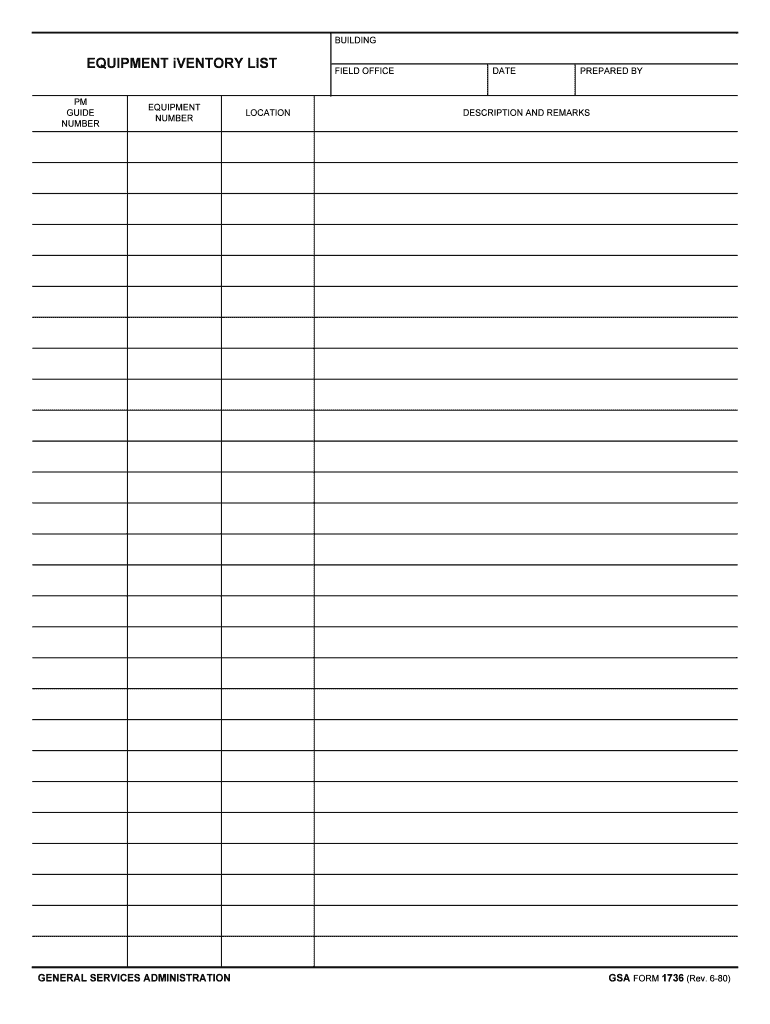







Definition and Purpose of the Equipment Inventory List
An "Equipment Inventory List" is a comprehensive record-keeping document used across various sectors to track specific details about equipment within an organization. This form is crucial for managing assets efficiently and ensuring regulatory compliance, detailing components such as equipment numbers, location, and remarks. Tailored primarily for inventory management, it provides a snapshot of an organization’s assets at any given time, aiding in asset tracking, maintenance schedules, and verification processes. This list is especially significant for facilities management, manufacturing industries, and businesses with extensive physical asset portfolios, facilitating streamlined audits and budgeting processes.
How to Use the Equipment Inventory List Effectively
Using the Equipment Inventory List efficiently involves systematically documenting and updating pertinent information about the equipment. Follow these guidelines for optimal use:
- Initial Data Collection: Gather initial data about each piece of equipment, including serial numbers, model, and purchase date. This foundational step is critical for accuracy.
- Regular Updates: Schedule routine updates to capture maintenance, repairs, and other major changes to the equipment status.
- Categorization and Labeling: Classify equipment based on use, location, or department to simplify retrieval and review.
- Verification Protocols: Implement verification steps such as periodic physical audits to confirm the accuracy of electronically stored information.
Frequent and systematic updates ensure data reliability and assist in decision-making, risk management, and financial planning.
How to Obtain the Equipment Inventory List Form
There are several ways to acquire the Equipment Inventory List form, which vary depending on organizational needs:
- In-House Development: Some organizations prefer creating customized forms with specific software tools to meet unique requirements.
- Templates Provided by Industry Associations: Various industry bodies and governmental organizations offer templates tailored to sector-specific needs.
- Online Platforms: Forms can be downloaded or filled out via cloud-based document management systems that provide digital versions for easy integration and editing.
Selecting the right method depends on specific organizational requirements, ensuring ease of use and compliance.
Steps to Complete the Equipment Inventory List
Completing an Equipment Inventory List involves a structured approach, ensuring that all necessary details are accurately recorded:
- Identify Required Information: Start by knowing what information is necessary—equipment ID, location, and date of purchase.
- Accurate Entry of Details: Transactions and descriptions should be entered without errors.
- Cross-Verification: Once filled, the information should be cross-verified with the physical inventory to ensure data matches.
- Update Digital Copies: Update digital records, if applicable, and back up data periodically to avoid loss of information.
A systematic approach helps maintain comprehensive records, reducing discrepancies and enhancing reliability.
Key Elements of the Equipment Inventory List
The core components of an Equipment Inventory List ensure comprehensive asset tracking:
- Equipment ID and Description: A unique identifier for each item with a brief overview of its function.
- Location Information: Specifies where the item is stored or regularly used.
- Maintenance and Service Records: Tracks scheduled services, repairs, and maintenance history to anticipate future needs.
- Ownership and Financial Details: Information about purchase dates, vendor details, and asset depreciation.
These elements are foundational for effective inventory management, asset allocation, and strategic planning.
Important Terms Related to the Equipment Inventory List
Understanding key terms enhances comprehension and application of the equipment inventory process:
- Depreciation: The reduction in value of equipment over time, critical for financial accounting.
- Maintenance Schedule: Planned periods for equipment checks and repairs.
- Asset Tracking: Systematic monitoring of equipment locations and statuses.
- Audit: A formal examination of the inventory to ensure accuracy and completeness.
Familiarity with these terms enables effective documentation and communication within inventory management.
Legal Use of the Equipment Inventory List
In the United States, maintaining an accurate Equipment Inventory List is often a legal requirement for asset-rich businesses:
- Regulatory Compliance: Businesses must comply with federal and state regulations regarding asset tracking and reporting.
- Audit Trails: Accurate records facilitate smooth audits, avoiding legal penalties associated with non-compliance.
- Insurance and Claims: Evidence from an updated inventory list supports insurance claims and assessments.
Ensuring that inventory processes align with legal standards protects businesses against financial and operational risks.
Penalties for Non-Compliance with Inventory Regulations
Failure to maintain an up-to-date Equipment Inventory List can result in various penalties:
- Financial Penalties: Fines and potential litigation costs due to non-compliance or misrepresentation of assets.
- Operational Disruptions: Inaccurate records can lead to operational inefficiencies and asset management challenges.
- Reputation Damage: Non-compliance can damage business credibility and trustworthiness in the market.
Regular audits and adherence to best practices mitigate risks associated with non-compliance, ensuring long-term sustainability.
State-Specific Rules for Equipment Inventory Lists
State-specific regulations may affect how Equipment Inventory Lists are managed:
- Documentation Requirements: Certain states may have additional documentation requirements beyond federal regulations.
- Reporting Frequencies: State laws may dictate how often inventory updates and reports are required.
- Taxation Rules: Equipment depreciation and asset values may have different tax implications depending on state laws.
Consulting with local compliance experts ensures that organizational inventory processes comply with state regulations.




