
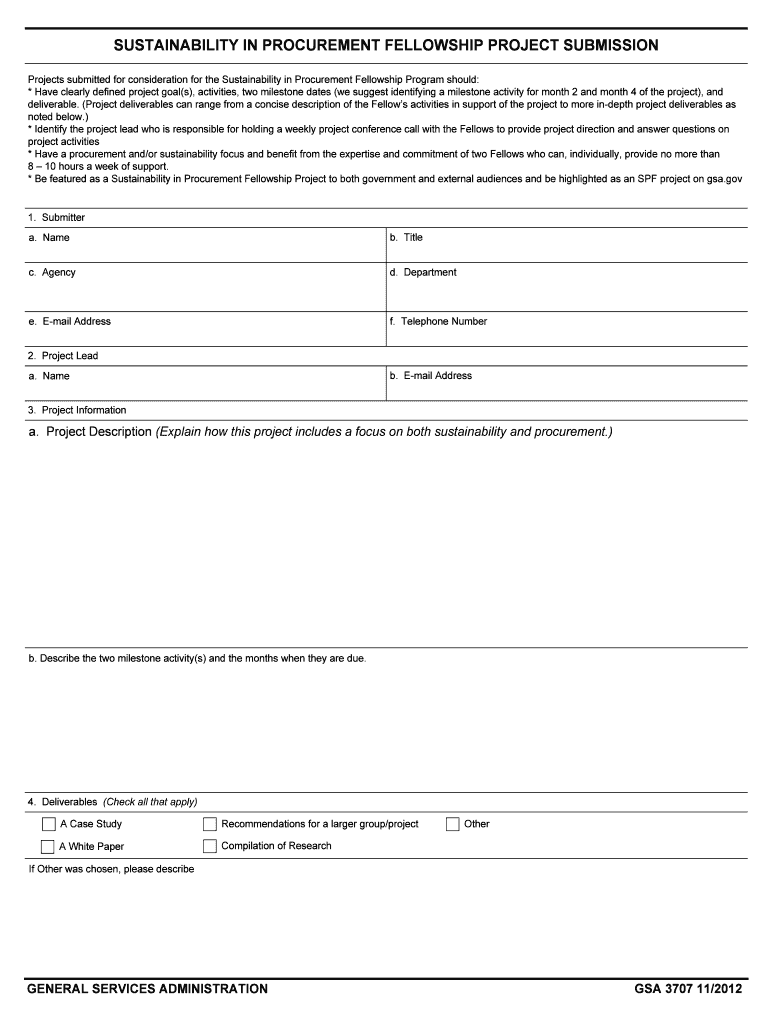







Definition and Meaning
Sustainable procurement refers to the process of acquiring goods, services, or works in an environmentally, socially, and economically responsible manner. It involves considering the entire lifecycle of products and services, ensuring that procurement decisions positively impact society and the environment while providing optimal value for money. The concept emphasizes the importance of sustainability criteria alongside traditional procurement considerations like cost, quality, and availability, aiming to reduce negative impacts on human health and the environment.
Key Elements of Sustainable Procurement
Sustainable procurement encompasses several crucial components that organizations must consider:
- Environmental Impact: Evaluate the ecological footprint of products and services, emphasizing resource efficiency, waste reduction, and pollution prevention.
- Social Responsibility: Assess suppliers' labor practices, community engagement, and fair trade commitments to ensure social alignment with organizational goals.
- Economic Viability: Balance cost-effectiveness with long-term sustainability goals, investing in products and services that offer lifecycle value rather than short-term savings.
- Risk Management: Identify and mitigate potential risks associated with supply chains, including sustainability risks, to ensure organizational resilience.
Steps to Complete the Form
- Understand Requirements: Review the guidelines and objectives of the sustainable procurement form to align your submission with the outlined goals and criteria.
- Gather Information: Collect data on the lifecycle impact, social and environmental attributes, and cost-effectiveness of the products or services in question.
- Complete the Form: Fill out the form with detailed descriptions of how the procurement process addresses sustainability principles, using specific examples where possible.
- Review and Submit: Ensure all necessary information is included and that the submission meets the specified guidelines before submitting through the chosen method.
How to Obtain the Form
To obtain the Sustainable Procurement: Concept, and Practical form, follow these steps:
- Check with the issuing authority, often the organization promoting the initiative, to see if the form is available online or if a physical copy needs to be requested.
- Visit the relevant website to access and download a digital version of the form.
- Contact the program administrators for assistance or clarity if the form is difficult to locate.
Who Typically Uses the Form
This form is commonly used by:
- Purchasing Departments in Corporations: To integrate sustainability into procurement policies.
- Government Agencies: To ensure public procurement aligns with environmental and social objectives.
- Non-Profit Organizations: Engaged in advocacy for sustainable practices, using the form to drive internal procurement improvements.
- Sustainability Consultants: Assisting various organizations in the transition towards sustainable procurement processes.


Legal Use of the Form
The legal use of the Sustainable Procurement form involves:
- Adhering to relevant regulations surrounding procurement practices, including environmental laws and fair trade standards.
- Ensuring that claims made on the form are accurate and verifiable to avoid legal repercussions.
- Understanding and complying with any jurisdictional specifics that may influence how the information is presented.
Important Terms Related to Sustainable Procurement
Understanding the following terms is vital when dealing with sustainable procurement:
- Circular Economy: An economic system aimed at minimizing waste and making the most of resources.
- Lifecycle Assessment (LCA): The assessment of the environmental impact of a product throughout its entire lifecycle.
- Triple Bottom Line: A framework that incorporates three dimensions of performance: social, environmental, and financial.
Examples of Using the Form
Here are some practical scenarios where the form might be applied:
- Public Infrastructure Projects: A city government uses the form to ensure that new building projects meet energy efficiency standards and use sustainable materials.
- Corporate Partnerships: A large retailer requires its suppliers to complete the form to demonstrate adherence to environmentally friendly practices.
- Non-Profit Initiatives: An environmental organization evaluates potential vendors by using the form to assess their commitment to sustainable practices.
Versions or Alternatives to the Form
The form may have different versions or alternatives depending on the specific requirements or jurisdictions:
- Industry-Specific Forms: Certain industries might have customized forms to cater to particular sustainability standards relevant to their sector.
- Regional Variants: Different countries or states may have versions of the form to comply with local environmental and procurement regulations.
- Digital Forms: Online platforms or software that facilitate the completion and submission of the form digitally while maintaining compliance and data integrity.




