




01. Edit your form online
Type text, add images, blackout confidential details, add comments, highlights and more.

Type text, add images, blackout confidential details, add comments, highlights and more.

Draw your signature, type it, upload its image, or use your mobile device as a signature pad.

Send it via email, link, or fax. You can also download it, export it or print it out.
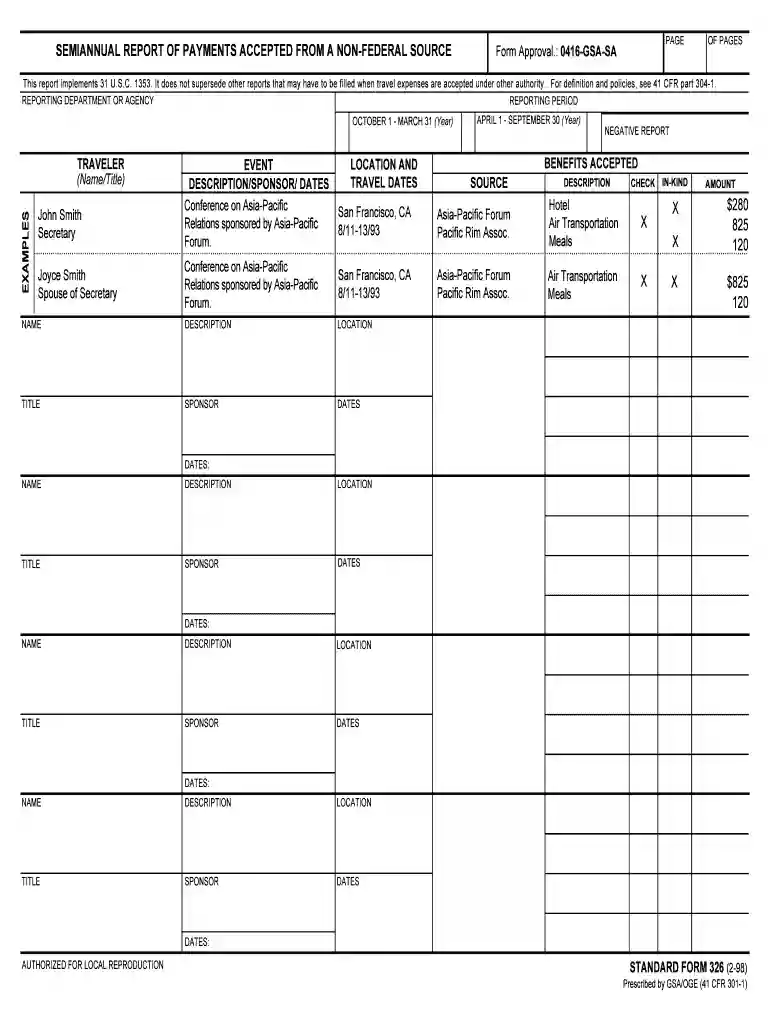
The "REPORTING DEPARTMENT OR AGENCY" refers to a formal document or entity tasked with submitting reports, typically within governmental or organizational settings. These reports are often mandated by regulatory bodies and include detailed insights into financial expenditures, activities, or compliance with statutory obligations.
The entity responsible for the report is expected to follow strict guidelines ensuring that all information is current and precise, supporting both internal audits and external reviews.
Completion of the "REPORTING DEPARTMENT OR AGENCY" necessitates a structured approach, focusing on data accuracy and compliance with established standards:
Gather Necessary Information:
Review Regulatory Requirements:
Compile the Report:
Validation and Approval:
Submission:
Reporting through the department or agency serves several critical functions within an organization:
Legal considerations play a crucial role in the preparation and submission of these reports:
Understanding the legal framework surrounding reporting obligations is essential to uphold the integrity of the process.
Several core components must be addressed in the report, each crucial for its comprehensive nature:
The preparation of a thorough report often requires a range of supporting documents, including but not limited to:
Ensuring all documents are accurate and verifiable is vital for the credibility of the report.
This form is widely used by various entities to fulfill regulatory or internal obligations:
Each sector may have tailored requirements, but the overarching principles of accuracy and compliance remain the same.


Submission of the "REPORTING DEPARTMENT OR AGENCY" can be performed through several methods, depending on available resources and regulations:
Each method has its own logistical considerations and potential advantages, such as speed or record-keeping reliability.
We've got more versions of the REPORTING DEPARTMENT OR AGENCY form. Select the right REPORTING DEPARTMENT OR AGENCY version from the list and start editing it straight away!
| Versions | Form popularity | Fillable & printable |
|---|---|---|
| 1998 | 4.9 Satisfied (31 Votes) |
At DocHub, your data security is our priority. We follow HIPAA, SOC2, GDPR, and other standards, so you can work on your documents with confidence.


A credit reporting agency (also referred to as a credit bureau or credit agency) is a private company that creates credit reports and credit scores
You can search agency reports by keywords, Agency, Authority Type, Recipient, or Due Date Keywords
Jul 31, 2018 Agencies are required to submit reports on several key attributes of their FOIA program to the Attorney General of the United States on or


