
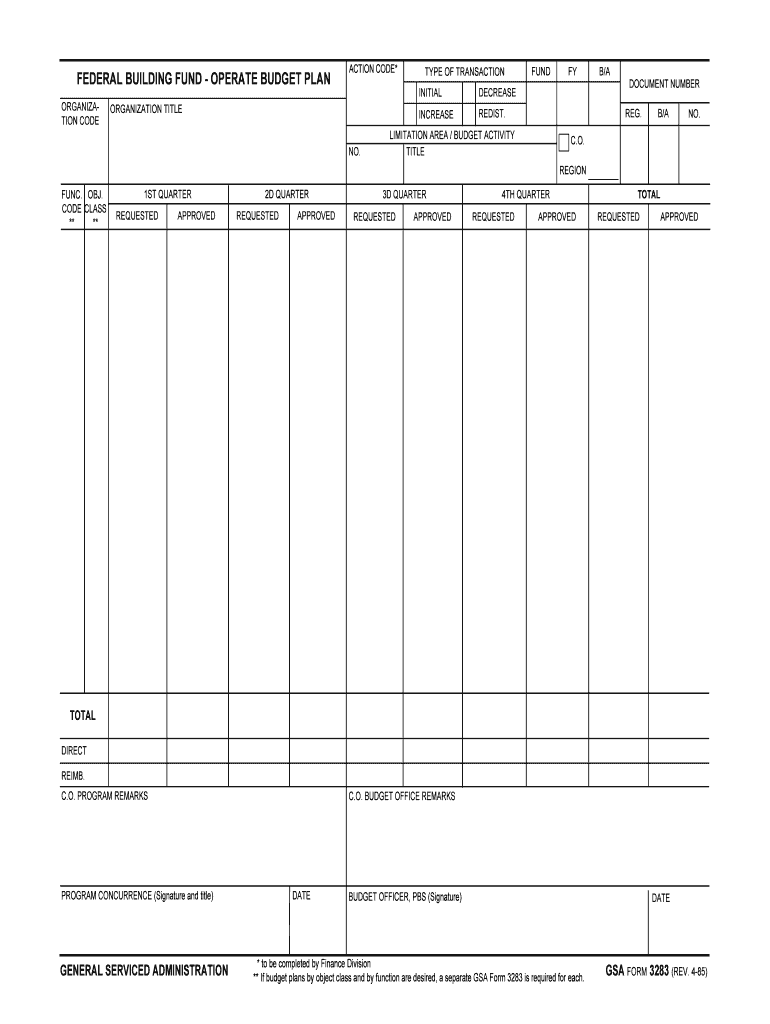







Definition and Significance of Grant Requests
Grant requests are formal proposals submitted to funding organizations to secure financial support for specific projects or initiatives. It is crucial to understand the specific requirements and objectives of the grant to effectively communicate your needs and align them with the goals of the funding body. A well-prepared grant request includes a detailed project description, budget breakdown, and the anticipated impact of the project.
Importance of Accurate Grant Sizing
Determining the right amount to request is vital to a successful grant application. Asking for too much might appear unrealistic or greedy, while requesting too little might lead to underfunding and project failure. Evaluating your project's actual needs and justifying every line item in your budget ensures that your request is well-founded. Consider the costs of personnel, equipment, travel, and other expenses critical to the project.
Steps to Determine Grant Amount
-
Define Project Scope and Objectives
- Clearly outline what you aim to achieve with the grant.
- Identify measurable outcomes to show how the grant will impact your project.
-
Assess Project Needs
- List all resources required, including manpower, materials, and services.
- Obtain quotes from vendors to ensure accurate cost estimates.
-
Budget Planning and Justification
- Create a detailed budget that aligns with your project scope.
- Document every budget item with clear justifications.
-
Research Funding Organization Limits
- Identify the minimum and maximum funding amounts typically awarded.
- Tailor your request to fit within these parameters.
-
Consider Matching Funds or Co-Funding
- Explore options for additional funding sources to complement the grant.
- Highlight any co-funding as part of your proposal, showcasing financial planning.
How to Obtain the Grant
Seeking a grant involves thorough research and meticulous preparation to ensure alignment with the grantor's priorities and objectives.
Research Grant Opportunities
- Use online databases and resources like Grants.gov or the Foundation Center.
- Attend workshops or seminars on grant writing to enhance skills.
- Network with other professionals in your field for recommendations on potential grants.
Preparing the Application
- Follow the specific guidelines provided by the granting body.
- Ensure all required documents, such as organizational statements, letters of support, and financial statements, are included.
Submission Process
- Decide on the submission method—online platforms, mail, or in-person delivery.
- Adhere to submission deadlines to ensure your application is considered.
Key Elements of a Successful Grant Proposal
A compelling grant proposal captures the attention of reviewers and provides a clear picture of your project’s needs and potential outcomes.
Executive Summary
- Summarize the project, objectives, and funding request.
- Keep it concise yet informative to engage the reviewer immediately.
Problem Statement and Objectives
- Clearly articulate the problem your project addresses.
- Outline specific, measurable objectives that demonstrate the project’s value.
Project Description
- Provide a detailed explanation of your planned activities.
- Explain how these activities will solve the identified problem.
Budget and Budget Justification
- Include a comprehensive budget spreadsheet.
- Justify each cost with explanations to validate your funding needs.
Evaluation Plan
- Describe how you will assess the project's success.
- Include metrics that will track progress towards objectives.
Eligibility Criteria for Grant Application
Understanding the eligibility requirements is essential to determine if your organization or project can apply for a grant.


Typical Eligibility Factors
- Type of organization: nonprofit, educational institution, small business, etc.
- Geographical location: some grants are state or region-specific.
- Alignment with grantor’s mission: how your project supports their goals.
Additional Considerations
- Previous grant funding received may impact eligibility.
- Specific project types or activities may be prioritized or excluded.
Application Process and Approval Time
Navigating the grant application process from preparation to approval requires patience and attention to detail.
Typical Application Timeline
-
Preparation Phase:
- Gather required documents and complete the proposal draft.
- Allow time for revisions based on internal feedback and preliminary reviews.
-
Submission Phase:
- Ensure all application components are complete.
- Submit by the deadline using the preferred submission method.
-
Review and Decision Phase:
- Be prepared for a waiting period, as reviews can take weeks or months.
- Some grantors may request additional information during this period.
Approval and Next Steps
- If approved, you will receive an award notice outlining the terms of funding.
- Review any conditions attached to funding acceptance.
- Establish a timeline for project initiation and reporting milestones.
State-Specific Rules for Grant Applications
Grant applications can vary significantly depending on the geographical focus, requiring adherence to specific state guidelines.
State Compliance Guidelines
- Research state regulations that may influence grant applications.
- Customize your proposal to satisfy state-specific requirements.
State-Specific Funding Opportunities
- Explore state government grant programs for opportunities specific to your locale.
- Consider local foundations and organizations as additional funding sources.
Examples of Successful Grant Applications
Analyzing past successful grant applications can provide valuable insights into crafting your proposal.
Case Study Examples
- Nonprofit environmental organizations often emphasize measurable ecological impact.
- Educational institutions typically focus on innovations in teaching and learning outcomes.
Lessons Learned
- Detail orientation and strict adherence to guidelines are critical.
- Clear articulation of the community benefit can strengthen persuasive appeal.
Penalties for Non-Compliance
Failure to comply with grant terms can result in serious repercussions for the receiving entity.
Common Compliance Issues
- Misuse of funds, such as spending on non-approved activities.
- Failure to submit required reports by stipulated deadlines.
Consequences and Remediation
- Potential loss of remaining or future funding.
- Requirement to repay funds or legal implications for severe breaches.




