Definition & Meaning
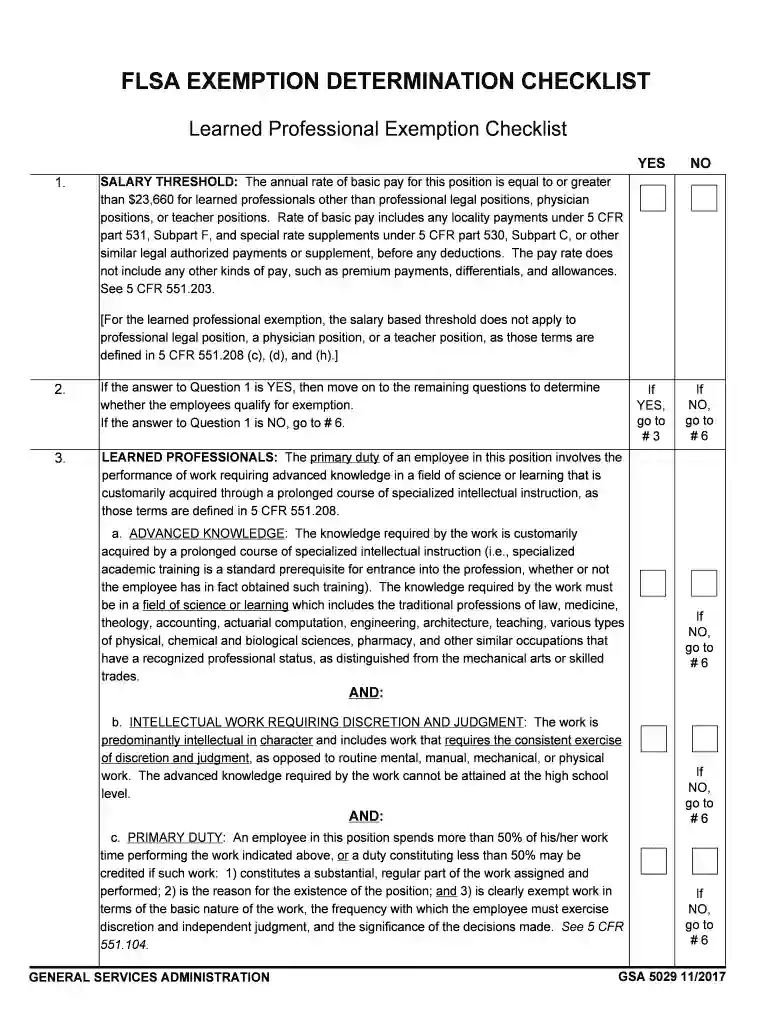
Positions, or teacher positions, refer to employment roles within educational institutions focused on teaching and instructional responsibilities. These roles span across various educational levels, from elementary schools to higher education. Teacher positions are vital in shaping the academic and social development of students, encompassing diverse subjects and age groups.
Key Responsibilities
- Developing lesson plans aligned with curriculum standards.
- Delivering lectures and facilitating classroom discussions.
- Assessing student performance through assignments and tests.
- Providing feedback and support to enhance student learning.
- Engaging in professional development opportunities.
Types of Teacher Positions
- Elementary School Teacher
- Middle School Teacher
- High School Teacher
- Special Education Teacher
- College or University Professor
How to Use the Positions, or Teacher Positions
Understanding how to effectively use teacher positions involves recognizing their impact on educational outcomes. Teachers utilize these roles to foster a constructive learning environment and address the diverse needs of students.
Teaching Strategies
- Differentiated Instruction: Tailoring lessons to accommodate different learning styles.
- Collaborative Learning: Encouraging group activities to boost peer interaction.
- Inquiry-Based Learning: Promoting critical thinking through questions and exploration.
Utilizing Technology
- Incorporating digital tools for interactive lessons.
- Using online resources to supplement traditional teaching methods.
- Monitoring student progress with educational software.
How to Obtain the Positions, or Teacher Positions
Securing a teaching position requires a strategic approach involving education, certification, and networking.
Educational Requirements
- Earning a Bachelor’s degree in education or a related field.
- Completing a teacher preparation program.
- Pursuing a Master’s degree for advanced teaching roles.
Certification Process
- Passing state-specific teaching certification exams.
- Meeting continuing education requirements for license renewal.
Job Search Strategies
- Attending career fairs to connect with potential employers.
- Utilizing online job portals and school district websites.
- Networking with professionals in the education sector.
Steps to Complete the Positions, or Teacher Positions Application
Applying for a teacher position involves several steps, from preparation to submission.
- Research Potential Employers: Identify schools or institutions aligned with your teaching philosophy.
- Prepare Your Resume & Cover Letter: Highlight relevant teaching experience and educational background.
- Compile Required Documentation: This may include transcripts, certification, and letters of recommendation.
- Submit the Application: Follow the specified method, whether online, via email, or in person.
- Prepare for Interviews: Anticipate common questions and prepare a demonstration lesson if required.
- Follow Up: Send a thank-you note post-interview to express appreciation and reinforce your interest.
Why Should You Pursue the Positions, or Teacher Positions
Choosing a career in teaching offers numerous benefits, impacting both personal and professional growth.
Advantages
- Opportunity to inspire and educate future generations.
- Job stability and a structured work schedule.
- Potential for career advancement and salary increments.
- Engaging in meaningful work that aligns with personal values.
Challenges
- Adapting to diverse learning needs and classroom dynamics.
- Managing administrative duties alongside teaching responsibilities.
- Continuous professional development to stay current with educational trends.
Important Terms Related to Positions, or Teacher Positions
Understanding key terms helps navigate the complexities of teaching positions.
Glossary
- Credentialing: Process of obtaining and maintaining the necessary licenses to teach.
- Common Core State Standards: A set of academic standards in mathematics and arts/literacy.
- Tenure: A form of job security granted to teachers after a probationary period.
- Professional Development: Activities that enhance teachers’ skills and knowledge base.
State-Specific Rules for the Positions, or Teacher Positions
Teaching positions are governed by state-specific regulations that influence requirements and practices.
Examples of Variations
- Certification Requirements: Each state has distinct certification exams and criteria.
- Salary Schedules: Variations in pay scales based on state and district policies.
- Continuing Education: States mandate different professional development credits for license renewal.
Researching State Regulations
- Visit the state Department of Education website.
- Consult local teachers’ unions for insights and updates on regional standards.
Digital vs. Paper Version of Applications for Positions, or Teacher Positions
Applying for teacher positions can be done through digital or traditional paper methods, each with its benefits and considerations.
Digital Applications
- Advantages: Faster submission, instant confirmation, and ease of document integration.
- Considerations: Ensure all digital files are in the accepted format and size.
Paper Applications
- Advantages: Tangible copies for presentation; preferred in some traditional districts.
- Considerations: Longer processing time and potential for misplacement.