





Definition and Meaning of Form Online
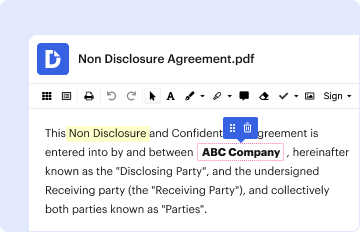
Forms designed for online use refer to digital versions of traditional paper forms that allow users to input data through electronic devices. These forms are hosted on web platforms, enabling users to fill them out from any internet-connected device without the need for physical interaction. By moving the form-filling process to an online environment, efficiency and accessibility are greatly enhanced. An online form typically includes input fields where users can enter information, select options, or check boxes according to the form's requirements.
Practical Examples
- Job Application Forms: Many companies require applicants to complete their applications through online forms, streamlining the hiring process.
- Event Registration: Online forms facilitate seamless registration for events, ensuring organizers can easily manage attendee information.
- Payment Collection: Forms for handling payments integrate secure gateways, allowing customers to complete transactions directly online.
How to Use the Form Online
When using an online form, users must first access the form through a provided link or by visiting the relevant website. Each form includes various fields that need to be filled out according to specific instructions. It is crucial to ensure that all necessary fields are completed accurately to avoid errors or delays in processing.
Step-by-Step Process
- Access the Form: Click the link or navigate to the website hosting the form.
- Read Instructions: Carefully review any instructions provided to understand the form's requirements.
- Fill Out Fields: Enter required information into relevant fields, taking care to provide accurate data.
- Review Submission: Before submitting, double-check the information for completeness and accuracy.
- Submit the Form: Once satisfied, submit the form according to the platform's instructions.
Steps to Complete the Form Online
Completing an online form requires a systematic approach to ensure accuracy and completeness. Understanding the form's objectives and requirements is essential for successful submission.
Detailed Guide
- Gather Required Information: Before starting, compile all necessary documents and information needed to complete the form.
- Follow Logical Flow: Proceed through the form step by step, ensuring each section is completed before moving to the next.
- Use Save Feature: Some forms may allow users to save progress; use this feature to prevent data loss.
Why Should You Form Online
Utilizing online forms offers significant advantages, including time efficiency, improved accuracy, and widespread accessibility. Online forms eliminate the need for physical paperwork, reducing printing and mailing costs.
Advantages
- Time-Saving: Immediate submission and automated processing shorten response times.
- Accuracy: Features like auto-fill and validation reduce errors in data entry.
- Convenience: Access and submit forms from any location with internet connectivity.
Who Typically Uses the Form Online
The use of online forms is widespread across various sectors and demographics, providing a versatile solution for diverse needs.


Predominant Users
- Businesses: Companies utilize online forms for HR processes, customer feedback, and supplier evaluations.
- Educational Institutions: Schools and universities implement forms for enrollment, feedback, and evaluations.
- Healthcare Providers: Medical facilities use online forms for patient intake, scheduling, and consent.
Important Terms Related to Form Online
Familiarity with key terminologies associated with online forms ensures better understanding and usability for all form users.
Key Terms
- Input Fields: Areas in a form where users enter data.
- Validation: Rules ensuring data entered meets specific criteria.
- Submission: The process of sending completed form data to the server for processing.
Legal Use of the Form Online
Online forms must comply with various legal standards to ensure data protection and legitimacy. These regulations involve maintaining data privacy and ensuring electronic signatures are legally binding.
Legal Compliance
- Data Protection Laws: Forms must adhere to laws like the GDPR, ensuring user data is processed and stored securely.
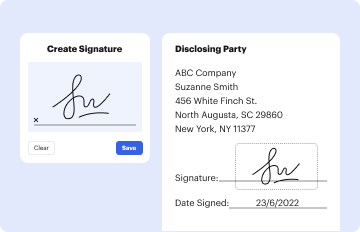
- Electronic Signatures: Platforms using digital signatures must comply with the ESIGN Act for legal recognition.
Key Elements of the Form Online
Understanding the core components of an online form helps users engage more effectively with the form's layout and functionality.
Elements to Note
- User Interface (UI): The visual aspect of the form, which should be intuitive and easy to navigate.
- Responsive Design: Ensures the form is accessible on various devices without functionality loss.
- Security Features: Protection mechanisms like HTTPS and encryption safeguard user data.