
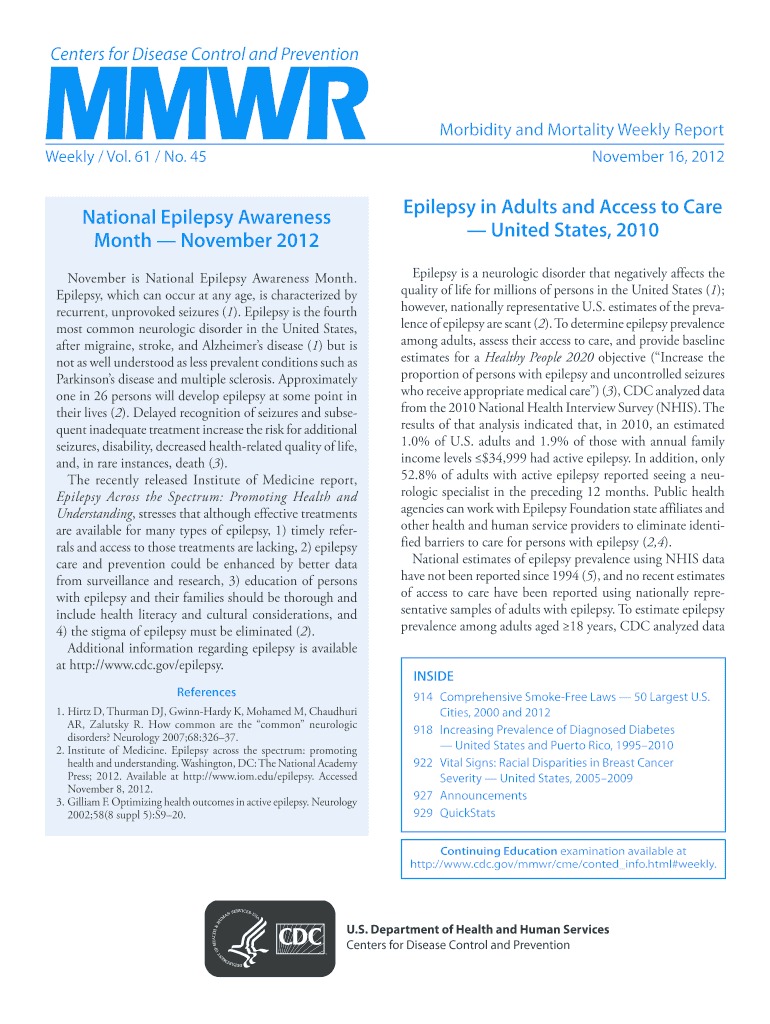







Understanding Epilepsy in Adults and Access to Care
Epilepsy is a neurological disorder characterized by recurrent, unprovoked seizures. In the United States, approximately one percent of adults live with active epilepsy, a condition that presents significant challenges regarding access to care. The barriers to proper epilepsy management include limited access to neurologists or epilepsy specialists, stigma, insufficient educational resources, and disparities in healthcare access. Understanding these challenges is crucial for developing effective strategies to improve the quality of life for individuals with epilepsy.
Important Terms Related to Epilepsy Care
To navigate the landscape of epilepsy care, it's essential to understand several key terms:
- Neurologist: A medical doctor specialized in diagnosing and treating disorders of the nervous system, including epilepsy.
- Seizure: A sudden, uncontrolled electrical disturbance in the brain, which can cause changes in behavior, movements, feelings, and levels of consciousness.
- Epilepsy Specialist: A neurologist with additional training or focus in treating epilepsy.
- Stigma: Social disapproval or discrimination against individuals with epilepsy often due to misunderstandings about the condition.
Steps to Obtain the Epilepsy in Adults and Access to Care
Obtaining comprehensive care for adults with epilepsy involves several steps:
- Initial Evaluation: Consulting a primary care physician for an initial assessment and referral to a specialist.
- Specialist Consultation: Attending a consultation with a neurologist or epilepsy specialist for diagnosis and treatment plan formulation.
- Referral for Support Services: Accessing additional support services, such as patient education programs or community support groups, to manage epilepsy's day-to-day challenges.
Challenges in Accessing Epilepsy Care
Adults with epilepsy face numerous challenges in accessing care, including:
- Geographic Barriers: In rural areas, there may be fewer specialists available, leading to delays in obtaining necessary medical attention.
- Financial Constraints: High costs of specialist consultations, diagnostic tests, and medications can be prohibitive for many patients.
- Cultural Stigma: Misunderstanding and societal stigma can deter individuals from seeking help or disclosing their condition to providers.
Legal and Ethical Considerations in Epilepsy Care
Legal and ethical issues play a critical role in epilepsy management:
- Accuracy and Privacy: Protection of patient information under laws like HIPAA ensures that individuals' health information remains confidential.
- Informed Consent: Patients must receive comprehensive information about their treatment options to provide informed consent.
- Disability Rights: Individuals with epilepsy are protected against discrimination in employment, education, and public services under the Americans with Disabilities Act (ADA).
Examples of Improving Access to Epilepsy Care
Healthcare providers and policy makers employ various strategies to improve access to epilepsy care:
- Telemedicine: Utilizing online platforms to connect patients with neurologists reduces travel and waiting times.
- Community Outreach: Programs targeting underserved populations enhance awareness and bridge gaps in care.
- Support Networks: Establishing local and national support networks, such as the Epilepsy Foundation, provides resources and advocacy for those affected.
Key Elements of Effective Epilepsy Management
Effective management of epilepsy involves multiple components:
- Medications: Antiepileptic drugs (AEDs) are the first line of treatment to control seizures.
- Lifestyle Adjustments: Stress reduction, sleep optimization, and adherence to a healthy diet can complement medical treatment.
- Continuous Monitoring: Regular follow-ups with healthcare providers ensure timely adjustments to treatment as needed.
Eligibility Criteria for Epilepsy Care Services
Eligibility for various epilepsy care services can vary:
- Age and Diagnosis: Services are typically available to individuals diagnosed with epilepsy, though age restrictions may apply for certain programs.
- Insurance and Financial Status: Insurance coverage and financial status often influence access to specific treatments and specialist care.


Digital vs. Paper-Based Access to Epilepsy Care Resources
Patients and caregivers have access to both digital and paper-based resources:
- Digital Platforms: Websites and apps offer educational materials, support group access, and telemedicine services.
- Paper Brochures and Guides: Printed materials available through clinics and community centers provide vital information for those without digital access.
By addressing these various aspects, stakeholders can foster an environment where adults with epilepsy receive the comprehensive care they need while navigating the obstacles inherent in the current healthcare system.




