
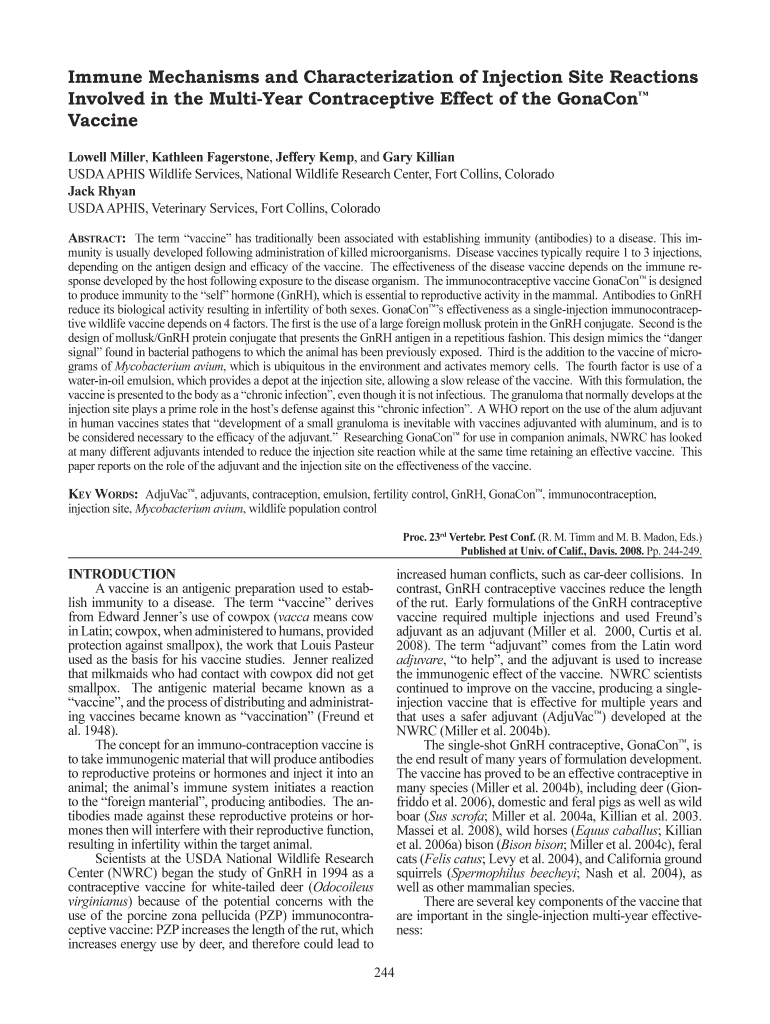







Understanding the Immune Mechanisms and Characterization of Injection Site Reactions
Comprehending the immune mechanisms and characterization of injection site reactions involves examining how the body responds to injections, such as vaccines, and the specific biological reactions that occur at the injection site. Injection site reactions are influenced by several factors, including the formulation of the vaccine, the presence of adjuvants to boost immune responses, and the individual’s own immune system characteristics.
-
Immune Mechanism Details: The immune system responds to foreign substances through various mechanisms that can lead to inflammation or swelling at the site of injection. This is largely influenced by the presence of adjuvants in vaccines, which stimulate a stronger immune response, thereby potentially increasing the likelihood of injection site reactions. The characterization of these reactions aids in predicting and mitigating adverse effects.
-
Characterization of Reactions: Common injection site reactions include redness, swelling, and pain. Through thorough characterization, healthcare providers can better understand these responses and differentiate between normal and excessive reactions. This understanding is pivotal for managing patient expectations and enhancing the safety of vaccination programs.
How to Access Information on Injection Site Reactions
Gaining access to detailed information about immune mechanisms and characterization of injection site reactions can be essential for healthcare professionals and researchers. Access might involve reviewing medical journals, consulting vaccine manufacturers, or accessing specialized databases.
-
Research and Publications: Medical journals and publications often contain in-depth research articles detailing the findings of studies on injection site reactions. These resources are invaluable for understanding the latest advancements in vaccine technology and immune response.
-
Consulting Vaccine Manufacturers: Manufacturers may provide detailed documentation on their products, including potential side effects and mechanisms of action. This information can often be accessed through official websites or upon request.
Steps to Document Injection Site Reactions
Documenting injection site reactions systematically is crucial for clinical studies and vaccine trials. This process involves several key steps, which ensure comprehensive data collection and reliable analysis.
- Observation: Initially, observe the injection site reaction, noting its physical characteristics, such as size, color, and duration.
- Recording Data: Use standardized forms to record details about the patient, the vaccine administered, and the specific characteristics of the reaction.
- Analysis: Analyze collected data to identify patterns or trends, such as specific demographic factors that may influence the occurrence of certain reactions.
- Reporting: Report findings to relevant health authorities and organizations to contribute to broader understanding and future guidelines.
Who Typically Utilizes This Information?
Information about immune mechanisms and characterization of injection site reactions is primarily used by healthcare professionals, researchers, and public health officials.
- Healthcare Professionals: Physicians and nurses rely on this information to inform patients about potential side effects and to manage post-vaccination care.
- Researchers: Those in medical research utilize this data to enhance vaccine formulations and improve overall safety and efficacy.
- Public Health Officials: Public health leaders assess this information to make informed decisions regarding vaccination campaigns and public health policies.
Key Elements in Understanding Injection Site Reactions
Several critical elements are vital to a comprehensive understanding of injection site reactions, which include vaccine composition, individual immune variability, and environmental factors.
- Vaccine Composition: Understanding the ingredients within a vaccine, including adjuvants, is essential as these can significantly impact the likelihood and severity of injection site reactions.
- Immune Variability: Individual differences in immune system function can lead to varying degrees of reaction, making personalized approaches necessary.
- Environmental Factors: External factors such as injection technique and site cleanliness can also play a role in the nature of reactions.
Examples of Injection Site Reactions
Real-world examples help illustrate the spectrum of injection site reactions, providing context for their significance.
- Local Inflammation: A typical reaction might involve localized swelling and redness that resolve within a few days.
- Serious Reactions: While rare, more severe reactions can include larger areas of swelling or systemic symptoms, necessitating medical intervention.
- Case Studies: Reviewing case studies of previous reactions can provide valuable insights into managing and anticipating future occurrences.
Legal Considerations for Managing Injection Site Reactions
In the United States, legal frameworks guide the management and reporting of adverse vaccine reactions, including injection site reactions. Proper documentation and reporting are critical for compliance and contributing to public health data.
- Compliance: Adhering to regulations set by healthcare authorities ensures that adverse reactions are adequately recorded and addressed.
- Reporting Requirements: Healthcare providers must report certain reactions to national systems like the Vaccine Adverse Event Reporting System (VAERS).
- Patient Rights: Understanding the rights of individuals who experience adverse reactions, including options for seeking medical advice and potential compensation, is essential for healthcare providers.
Digital Documentation and Form Management
With the growing usage of digital records, managing documentation of injection site reactions has become more efficient through platforms like DocHub.
- Digital Forms: Leveraging digital forms allows healthcare providers to efficiently record and access data regarding injection site reactions.
- Ease of Use: Platforms supporting various file formats ensure that documents can be integrated into existing workflows seamlessly.
- Security: Securing sensitive health information through encryption protects patient confidentiality during documentation processing.




