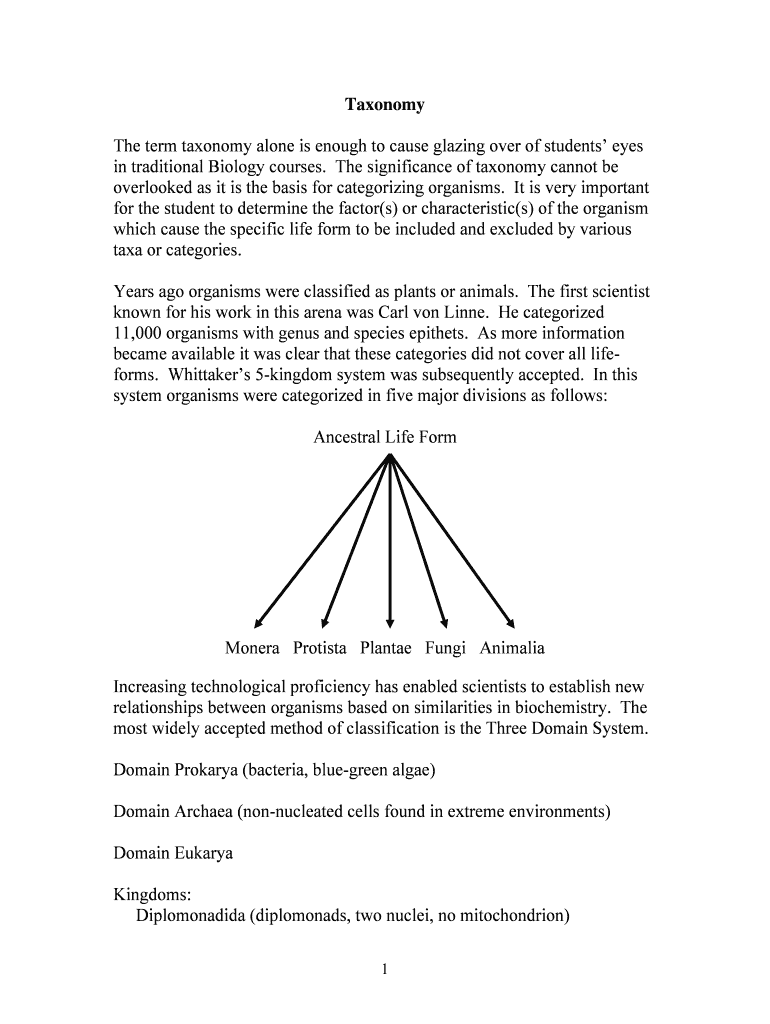







Definition and Meaning of Ancestral Life Form - Faculty
The term "Ancestral Life Form - Faculty" refers to a specialized category within the field of taxonomy and evolutionary biology. This concept is often used to describe original life forms or primitive organisms that are considered the progenitors of current species. In an academic or educational context, the "faculty" may refer to a department or group of experts focused on teaching and researching ancestral life forms. These experts are critical in advancing our understanding of how life evolved and diversified, offering insights into genetic heritage and molecular evolution.
How to Use the Ancestral Life Form - Faculty
Utilizing the "Ancestral Life Form - Faculty" requires a foundational understanding of taxonomy and evolutionary biology. Typically, this involves:
- Engagement with Experts: Collaborate with faculty members who specialize in ancestral life forms to gain access to cutting-edge research and educational materials.
- Accessing Resources: Utilize resources provided by the faculty, such as databases, research papers, and lectures, to deepen your understanding of ancestral life forms.
- Participating in Workshops and Seminars: Attend events organized by the faculty to interact with researchers and learn about the latest findings in the field.
Steps to Complete the Ancestral Life Form - Faculty
Completing processes related to the "Ancestral Life Form - Faculty" typically involves several steps:
- Research Initiation: Identify the specific area of ancestral life forms you are interested in studying or teaching.
- Collaboration and Networking: Reach out to the faculty to collaborate or seek mentorship from experienced members.
- Data Collection: Gather necessary data or resources from faculty-supported projects or repositories.
- Analysis and Interpretation: Utilize analytical tools and methodologies to interpret data, with guidance from the faculty.
- Presentation of Findings: Prepare reports, presentations, or academic papers to share your findings, benefiting from faculty feedback.
Key Elements of the Ancestral Life Form - Faculty
The Ancestral Life Form - Faculty encompasses several key elements:
- Domain Expertise: Faculty members possess a deep understanding of evolutionary biology, taxonomy, and genetic analysis.
- Research Facilities: Advanced labs and resources are available for in-depth study of ancestral life forms.
- Interdisciplinary Approach: Collaboration across disciplines, including genetics, paleontology, and ecology, is encouraged to provide a comprehensive understanding of evolutionary processes.
Examples of Using the Ancestral Life Form - Faculty
Several real-world examples illustrate the faculty's impact:
- Student Research Projects: Undergraduate and graduate students work with the faculty to explore genetic markers of ancestral species.
- Public Seminars and Community Outreach: Faculty members present findings to the public, increasing awareness of the evolutionary history of life on Earth.
- Collaborative International Studies: Partnerships with international experts lead to groundbreaking research on the origins and diversification of life forms.
Legal Use of the Ancestral Life Form - Faculty
Legal considerations when engaging with the Ancestral Life Form - Faculty may include:
- Intellectual Property Rights: Proper attribution of research and discoveries to faculty and collaborators.
- Compliance with Ethical Standards: Adhering to ethical guidelines in conducting research, particularly in genetic studies.
- Data Sharing Agreements: Formal agreements outlining terms for sharing and using research data.
Important Terms Related to Ancestral Life Form - Faculty
Understanding the faculty’s focus requires familiarity with several terms:
- Phylogeny: The evolutionary history of species or group of organisms.
- Cladistics: A method of classification based on shared characteristics derived from common ancestors.
- Hominin: Referring to modern humans and their close relatives and ancestors.
Who Typically Uses the Ancestral Life Form - Faculty
Primarily, the faculty serves:
- Academics and Researchers: Engaged in studying evolutionary processes and historical biodiversity.
- Biology Students: Pursuing degrees in evolutionary biology, taxonomy, and related fields.
- Environmental Scientists: Exploring historical contexts of biodiversity to inform conservation efforts.


Eligibility Criteria for Engaging with the Ancestral Life Form - Faculty
To participate meaningfully with the faculty, potential users often need:
- Academic Qualifications: A background in life sciences or a related field.
- Research Interest Alignment: A clear interest in studying ancestral life forms and evolutionary biology.
- Institutional Affiliation: Membership or collaboration with an institution that values research in evolutionary taxonomy.