Property Tax Homestead Exemptions - Georgia Department of Revenue 2026

Get Form
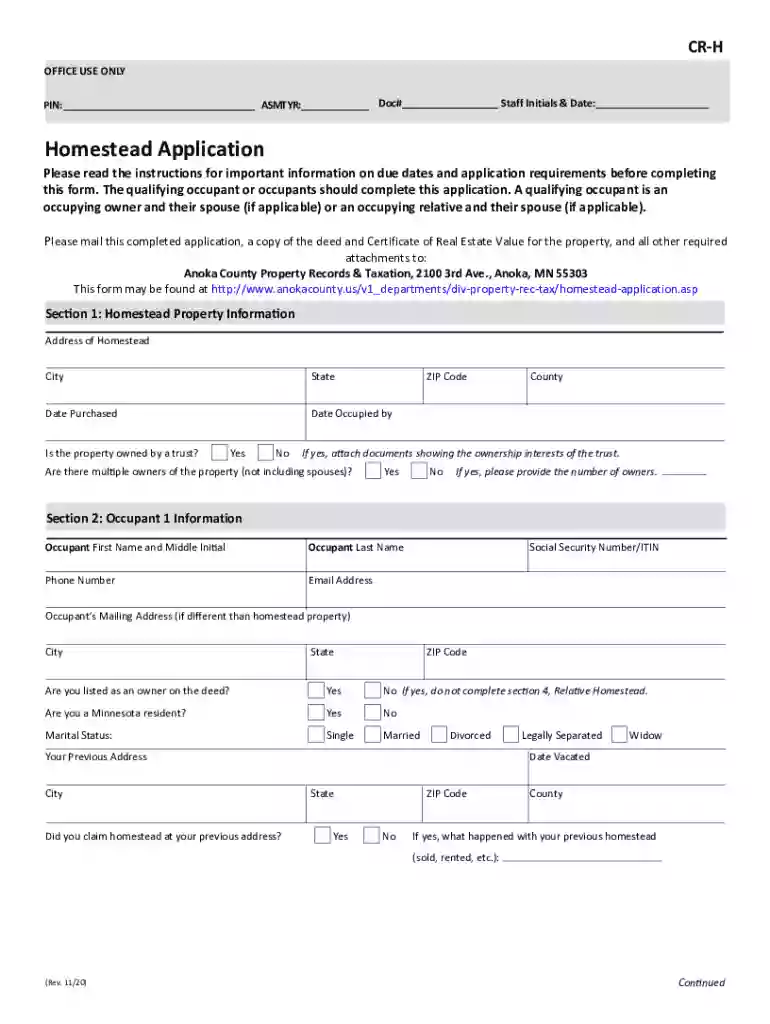
Property Tax Homestead Exemptions - Georgia Department of Revenue Preview on Page 1

Here's how it works

01. Edit your form online
Type text, add images, blackout confidential details, add comments, highlights and more.

02. Sign it in a few clicks
Draw your signature, type it, upload its image, or use your mobile device as a signature pad.

03. Share your form with others
Send it via email, link, or fax. You can also download it, export it or print it out.

Definition and Meaning

The Property Tax Homestead Exemptions from the Georgia Department of Revenue is a crucial tool for homeowners seeking a reduction in their property taxes. This exemption reduces the taxable value of a home, essentially lowering the property tax owed by the homeowner. The primary aim is to provide financial relief to permanent residents and encourage homeownership by making it more affordable to keep one's primary residence.

Eligibility Criteria

To qualify for homestead exemptions in Georgia, applicants must meet certain criteria. The home must be the primary residence of the owner as of January 1 of the tax year in question. Applicants need to be legal residents of Georgia and present proof such as a Georgia driver's license or identification card. There are special considerations for certain groups, such as seniors aged 65 or older, who may qualify for additional exemptions.


decoration image ratings of Dochub

Specific Conditions

  • The applicant must not claim homestead exemptions in any other state.
  • Property used as rental or investment properties does not qualify.
  • Additional exemptions may apply for veterans and individuals with disabilities.

Application Process and Approval Time

Applying for a homestead exemption in Georgia involves several steps, with specific deadlines and requirements. Homeowners typically need to file their application by April 1 in most counties.

  1. Gather Necessary Documents: Proof of residency, ownership documents, and any other pertinent documentation are needed.
  2. Submit Application: Homeowners must file the application with their county tax assessor's office. Forms are available online or at your local office.
  3. Review Period: Once submitted, the application is reviewed. Approval times can vary, but you should generally receive a response before the next tax billing cycle.

Required Documents

Adequate documentation is essential for a successful application:

  • A valid Georgia driver's license or ID card.
  • Proof of property ownership, like a warranty deed.
  • Social Security numbers for all property owners.
  • Any additional documents specific to special exemptions (e.g., birth certificate for senior exemptions).

State-Specific Rules

Georgia has specific regulations regarding the homestead exemption process, varying slightly from other states:

  • Basic Exemption Amounts: Different counties may offer varying exemption amounts. For instance, some counties might provide more significant reductions for individuals with disabilities.
  • Renewals: Unlike some states, once granted, most Georgia homestead exemptions renew automatically without reapplication unless there are changes to ownership or primary residence status.

Filing Deadlines and Important Dates

Understanding the critical deadlines is vital for maintaining an eligible exemption status:

  • April 1 Deadline: Mandatory for initial applications in most Georgia counties.
  • January 1 Ownership Requirement: Applicants must legally own and occupy the home by this date to qualify for the upcoming tax year's exemption.

Form Submission Methods

For convenience, applications can typically be submitted through:

  • In-Person: Visit local tax assessor's offices.
  • Mail: Send completed forms to your respective county office.
  • Online: Some counties provide an online application option via their official website.

Penalties for Non-Compliance

Failing to comply with Georgia's homestead exemptions rules can lead to:

  • Revocation of Exemption: Loss of exemption status and requirement to repay any unearned tax benefits.
  • Fines or Additional Taxes: Illegitimate applications may be subject to financial penalties.

Key Elements of the Homestead Exemption Form

The form consists of several critical components:

  • Section for Personal Information: Collating basic details about the applicant.
  • Property Details: Specific information about the property in question.
  • Special Exemptions Section: If applicable, additional exemptions information like senior status, veteran benefits, etc.

Examples of Using the Exemptions

Utilizing homestead exemptions can significantly benefit various homeowners:

  • Senior Citizens: A 70-year-old Georgia resident successfully reduced their annual property tax by applying for the senior exemption.
  • First-Time Homeowners: New homeowners benefit from reduced taxes, making homeownership more financially viable.

Legal Use of the Exemptions

The Georgia Department of Revenue mandates truthful and accurate applications. Misrepresenting eligibility can result in severe penalties, including retroactive tax collection and legal action. It's crucial to ensure all information provided is honest and reflects the true status of the applicant and property.

Digital vs. Paper Versions

Modern conveniences offer both paper and digital application options. While traditionalists might prefer paper submissions, many find digital applications faster and more convenient, particularly for individuals comfortable with online processes through forms available on county websites.

Understanding and navigating the Property Tax Homestead Exemptions from the Georgia Department of Revenue requires attention to detail and thoroughness. By comprehensively following guidelines and meeting deadlines, homeowners can ensure they receive all benefits for which they’re eligible.

be ready to get more

Complete this form in 5 minutes or less

Get form

Got questions?

We have answers to the most popular questions from our customers. If you can't find an answer to your question, please contact us.
Contact us
House Bill 581 - Save the Homes Act. HB581, or the Save the Homes Act, went into effect Jan. 1, 2025. The bill was signed into law in April and ratified in November to provide a statewide floating homestead exemption, ad valorem tax provision and the option for a new Floating Local Option Sales Tax (FLOST).
A homestead exemption can give you tax breaks on what you pay in property taxes. A homestead exemption reduces the amount of property taxes homeowners owe on their legal residence. You must file with the county or city where your home is located. Each county has different applications and required documents.
48-5-311. Once approved, the homestead exemption is automatically renewed each year as long as you continually occupy the home under the same ownership. The only time you must reapply for an exemption is if there is a change in ownership, residence or you wish to qualify for a higher exemption.
Homestead Exemptions TypeQualificationAmount General Homestead-3 (GH-3) Must reside at the property, be 62 or older, and have household GA taxable income under $60,000 $25,000 General School (GS-1) Must reside at property; be 62 or older; and household income must not exceed $25,000 $50,00010 more rows
To receive the homestead exemption for the current tax year, the homeowner must have owned the property on January 1. A homeowner can file an application for homestead exemption for their home and land any time during the prior year up to the deadline for filing property tax returns (April 1).

Security and compliance

At DocHub, your data security is our priority. We follow HIPAA, SOC2, GDPR, and other standards, so you can work on your documents with confidence.
Learn more
ccpa2
pci-dss
gdpr-compliance
hipaa
soc-compliance

People also ask

Overlooking Homestead Exemptions While not directly related to the protest process, failing to apply for available homestead exemptions is a common oversight that can increase your overall tax burden. Exemptions can reduce the taxable value of your home, making it less likely that your property is overvalued.
Basic Homestead Exemption: This is available to all homeowners who occupy their property as a primary residence. It offers a $2,000 reduction in the assessed value of your home. Senior Citizens Exemption: Homeowners aged 65 and older may qualify for additional reductions based on income.

Related links