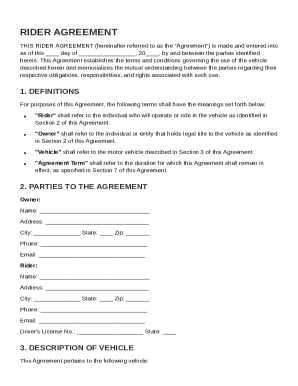
Definition and Meaning of "Mail Form Back To"
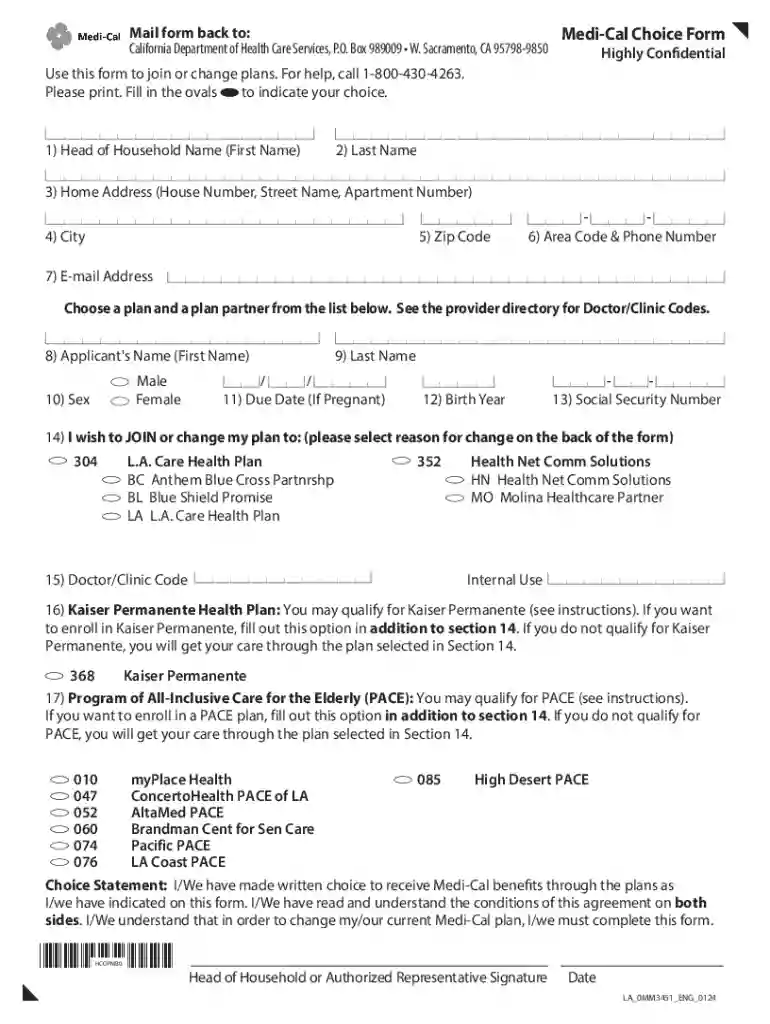
The phrase "Mail form back to" commonly indicates the requirement to return a completed form to a specific address. This instruction is often seen on various official documents, such as government, medical, or legal forms, and implies that the recipient should complete the form and send it back via traditional postal mail. The details on where exactly to mail the form are usually accompanied by the full address. This phrase is essential for guiding the user on how to return the document to the issuing authority.
Practical Examples
- Government Forms: Many government-issued forms, like tax submissions and social service applications, include this instruction to ensure correct processing.
- Healthcare Forms: Patients might be asked to mail forms back to healthcare providers for insurance claims or service requests.
- Legal Documents: Legal agreements or acknowledgments often need to be mailed back to the respective office or attorney handling the case.
Variations and Contexts
- In some contexts, "Mail form back to" may be replaced with instructions for digital submission, acknowledging the increasing trend of online form submission.
How to Use the "Mail Form Back To" Instruction
Understanding how to correctly follow the "Mail form back to" instruction is vital for ensuring that documents are processed correctly and timely.
Step-by-Step Instructions
- Complete the Form: Fill out all required fields accurately, ensuring no sections are left incomplete.
- Double-check Information: Review your responses for accuracy and completeness to avoid rejection or delay.
- Prepare for Mailing: Attach any required additional documents, signatures, and supporting materials as specified.
- Address the Envelope: Use the provided address details to communicate accurately where the form should be sent.
- Post the Form: Use a reliable mail service, considering options like certified mail for trackability.
Tips for Successful Submission
- Use Legible Handwriting: When forms are handwritten, ensure clarity for easy processing.
- Make Copies: Retain a copy of the completed form and supporting documents for your records.
- Follow Deadlines: Be mindful of any time constraints or deadlines associated with the submission.
Steps to Complete the "Mail Form Back To" Requirement
Completing a form that asks you to "mail it back" involves several key steps to ensure the process is efficient and correct.
Detailed Process Steps
- Gather Necessary Materials: Ensure you have all necessary information, identification, and documents.
- Fill Out the Form: Use clear handwriting or a typewriter if required. Ensure each section is filled as instructed.
- Attach Additional Documents: If requested, include other documents like identification copies, financial statements, or authorization letters.
- Format Properly: Follow any specific instructions regarding binding, stapling, or folding the documents.
- Address and Send: Verify the destination address and ensure the form is mailed with adequate postage.
Common Challenges and Solutions
- Incorrect Address: Double-check the instructions to mitigate the risk of sending to an outdated or wrong address.
- Missed Deadlines: Use planning tools to remind yourself of submission deadlines, and prefer tracked mailing options for high-stakes forms.
Key Elements of the "Mail Form Back To" Instruction
Understanding the components of the "Mail form back to" requirement is essential for individuals dealing with various types of forms.
Core Components
- Specific Address: Always provided and integral for ensuring the form reaches its destination.
- Deadline for Return: Most forms include a specific date by which they need to be returned to ensure valid processing.
- Supporting Documentation: Additional materials might be requested as part of the mail-back process.
- Instructions for Each Section: Detailed instructions for filling out the form are typically provided to assist the user.
Common Elements Across Form Types
- Signature Verification: Many forms request signing to affirm the information's accuracy.
- Contact Information: including return methods like email or phone numbers might be necessary for clarification.
State-Specific Rules for Mailing Forms
Certain forms may have state-specific variations in terms of instructions and requirements for mailing them back, particularly for government-related documents.
Understanding State Variations
- Varying Addresses: State-specific offices may manage different forms, requiring awareness of their particular addresses.
- Additional Requirements: Some states may need additional documentation or fees that others do not.
Impact on Submission
- Ensure you are aware of your state’s specific requirements to avoid any unnecessary delays. Understanding these differences is crucial for legal compliance and to avoid penalties.
Legal Use of the "Mail Form Back To"
Ensuring the legally compliant processing of forms requiring mail back can involve several elements, particularly when legal documents are concerned.
Compliance Measures
- Adhere to Jurisdictional Requirements: Ensure that all relevant state or federal guidelines are followed.
- Keep Documentation: Maintain copies of all submissions for at least the mandatory retention period.
Legal Implications
- Delay or improper submission can lead to a nullification of request statuses, affecting legal timelines and enforcement.
Examples of Using the "Mail Form Back To"
A practical understanding of scenarios where this instruction is applied can enhance compliance and effective management of documentation.
Real-World Scenarios
- Tax Returns: Tax submission forms requiring physical signatures and mail-back address confirmation.
- Health Insurance: Coverage declarations or amendments where mailing is needed for verification.
- Employment Applications: Some employers require mailed documentation for background checks or credential verifications.
By unpacking and understanding these aspects, individuals and businesses can effectively deal with forms requiring mailing, ensuring compliance and timely submissions.