




Definition and Purpose of F11185
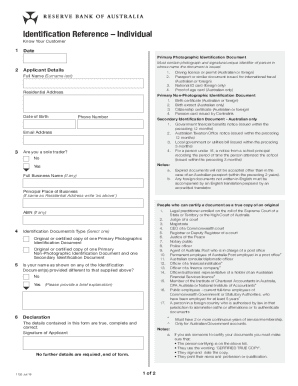
The F11185-Request For A Charitable Distribution From An Individual Retirement Account (IRA) is a form designed to facilitate the donation of funds from an individual's IRA to eligible nonprofit organizations. This process allows IRA holders to make a tax-free distribution to a charity, providing potential tax benefits while supporting charitable causes. F11185 serves as both a request and a record of such transactions, ensuring compliance with relevant tax regulations.
- Primary Purpose: Allows for qualified charitable distributions from an IRA to approved nonprofits.
- Tax Benefits: Minimizes taxable income by directing funds to charitable organizations.
- Compliance: Ensures adherence to IRS rules for tax-efficient charitable giving.
How to Use the F11185 for IRA Charitable Distributions
Using the F11185 involves a series of steps to ensure the distribution is correctly processed and complies with IRS guidelines. Follow these steps to effectively use the form:
- Gather Necessary Information: Collect the individual’s personal details, including their Social Security Number, and the information of the charity receiving the funds.
- Complete the Form: Fill out the F11185 form with accurate details about the distribution, the IRA account, and the recipient organization.
- Review IRS Requirements: Ensure that the charity is eligible to receive IRA distributions and that the distribution amount complies with IRS rules.
- Submit the Form: Send the completed form to the IRA custodian either online, via mail, or in person, depending on their requirements.
- Keep Records: Maintain a copy of the completed form and any confirmation from the custodian for future reference during tax filing.
Obtaining the F11185 Form
To obtain the F11185 form, users can explore multiple avenues, each offering convenience and accessibility:
- Online Download: Many IRA custodians provide digital copies of the form on their websites. Users can download, complete, and submit these forms electronically.
- Custodian Offices: IRA holders can request the form directly from their custodian’s office, either picking up a physical copy or requesting one via mail.
- Tax Preparation Software: Some tax software platforms, such as TurboTax, offer access to common tax-related forms, including F11185, as part of their services.
Steps to Complete the F11185
Filling out the F11185 accurately is crucial for a successful IRA charitable distribution. The following steps outline how to complete the form:
- Personal Information: Enter the IRA holder’s full name, address, and Social Security Number.
- Charity Details: Provide the full name and address of the recipient organization along with their taxpayer identification number (TIN).
- Distribution Information: Specify the amount to be distributed and any special instructions or allocations required.
- Authorization: Sign and date the form to authorize the distribution request.
- Review and Submission: Double-check all entries for accuracy before submitting to the IRA custodian.
Importance and Benefits of F11185
The F11185 form is important for individuals who wish to make charitable distributions from their IRAs due to its tax and philanthropic advantages:
- Tax Efficiency: Regular withdrawals from an IRA are subject to taxes, but direct transfers to qualified charities using this form can be tax-free.
- Philanthropic Support: Facilitates financial support to charitable organizations, allowing individuals to contribute meaningfully to causes they care about.
- IRS Compliance: Provides a structured method to ensure donations comply with tax regulations, preventing penalties or unintended tax liabilities.
Eligibility Criteria for Using F11185
Not all IRA holders are eligible to use F11185 for charitable donations. Key criteria include:
- Age Requirement: Must be at least 70½ years old, aligning with the age requirement for qualified charitable distributions.
- Eligible Accounts: Only traditional IRAs are eligible; Roth IRAs and other retirement accounts do not qualify.
- Nonprofit Status: The recipient organization must be a tax-exempt nonprofit under IRS code, ensuring that funds are directed to legitimate entities.


IRS Guidelines and Compliance
Following IRS guidelines is essential when using F11185 for charitable IRA distributions. Key guidelines include:
- Annual Limits: The IRS may impose limits on the total amount of charitable distributions eligible for tax-free treatment each year.
- Charity Requirements: The nonprofit must qualify under IRS rules, generally as a 501(c)(3) organization.
- Record-Keeping: Maintain documentation of the transaction and ensure the form is completed and submitted timely to satisfy IRS requirements.
Examples and Scenarios of Using F11185
Understanding practical applications can clarify how F11185 is used:
- Example 1: A retiree wants to donate $5,000 from their IRA to a local food bank. They fill out F11185 and submit it to their IRA custodian, ensuring the donation is tax-free.
- Example 2: An individual with a large IRA portfolio plans multiple donations. Using F11185, they distribute funds to several qualified nonprofits without increasing their taxable income.
- Scenario: In the case of regulatory changes by the IRS, ensure that the F11185 form is up-to-date to reflect new tax implications affecting IRA distributions.