





Definition and Purpose
The Emergent Application to Stay serves as a legal document intended to request a delay or halt in the eviction process following a Sheriff's Sale due to the foreclosure of a property. Its primary function is to provide individuals facing imminent eviction with a temporary reprieve, allowing them time to secure alternative living arrangements or to resolve mortgage disputes. The process does not automatically guarantee an outcome in the applicant’s favor, but it provides a formal mechanism to appeal for a stay of removal.
Examples of Use
- A homeowner facing foreclosure may use this application to delay eviction proceedings for a set period, allowing time to negotiate a mortgage modification with the lender.
- Renters in a foreclosed property might file the application to gain additional time to relocate, particularly if they were not previously informed of the property's foreclosure status.
Steps to Complete the Application
-
Gather Required Information: Before starting, ensure you have the foreclosure case number, property address, and other relevant details.
-
Complete Personal Details: Fill in sections related to the applicant’s personal information, including full name, contact details, and any co-applicants involved.
-
Provide Case Specifics: Enter details of the foreclosure, such as the Sheriff’s Sale date and the case number associated with the eviction order.
-
State Reasons for Request: Clearly articulate the reasons for requesting a stay, providing as much evidence and documentation as possible to support your claim.
-
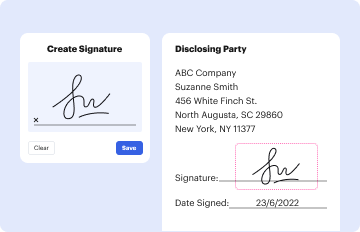
Sign and Date the Application: The application requires the applicant's signature to verify the information provided is truthful.
-
Submit the Application: Applications can often be submitted online, by mail, or in person at the relevant court or administrative office.
Documentation Required
- A copy of the eviction notice or Sheriff's Sale documentation
- Proof of attempts to resolve the underlying issues, such as communication with lenders
- Personal identification to verify applicant identity
- Any documentation that supports the claim, such as leases or payment receipts
Legal Implications
Filing an Emergent Application to Stay implies an understanding and acknowledgment of certain legal proceedings and deadlines. Failure to comply with these can result in penalties, including denial of the stay request. Legal counsel is often advised to ensure all procedural requirements are met and accurately represented.
Potential Penalties
- Denied Requests: Incorrectly completed forms or insufficient evidence may result in the immediate denial of the application.
- Eviction Continuation: Without an approved application, eviction processes may continue unabated.
- Legal Misrepresentation: Any false information provided can lead to legal action against the applicant for perjury or contempt.
Who Typically Uses This Form
Primarily, individuals residing in foreclosed properties use this application. This includes both primary property owners and tenants who reside in properties sold at foreclosure auctions. Legal aid centers and attorneys often assist these individuals in navigating the application process to maximize chances of success.
Eligible Parties
- Homeowners facing unexpected eviction
- Renters unaware of foreclosure status until late in the process
- Individuals disputing the fairness or legality of the foreclosure process
State-Specific Regulations
State-specific regulations can affect the application’s structure, eligibility criteria, and procedural requirements. Thus, consulting state laws where the property is located provides additional guidance.
Examples of State Variations
- California: State laws might require specific disclosures about tenant rights during foreclosure.
- Texas: The process might include additional steps or require specific forms of identification validation.
Application Process and Approval Times
The speed of processing the application depends on various factors, including the court's backlog and the complexity of the individual case. Generally, applicants should expect a decision within 30 to 60 days, though timelines can vary by jurisdiction.
Factors Affecting Approval
- Completeness of the application
- Availability of supporting evidence
- Workload of the court system handling the request
Alternative Forms and Procedures
In some jurisdictions, alternative or supplementary forms may be required alongside the Emergent Application to Stay. It is critical to verify whether additional documentation or alternative dispute resolution avenues are available or necessary.
Common Alternatives
- Mediation requests to facilitate negotiations between borrowers and lenders
- Hardship affidavits to provide evidence of inability to meet obligations despite substantial effort
Digital vs. Paper Applications
Contemporary filing systems increasingly support digital submissions, which are preferred for their speed and efficiency. However, some parties may still opt for paper applications due to personal preferences or technological accessibility issues.
Digital Submission Benefits
- Immediate filing and confirmation of receipt
- Reduced risk of document misplacement
- Easier integration with digital records and communication systems
This structured guide enhances the understanding and step-by-step approach for dealing with emergent applications to stay eviction proceedings, focusing on detailed, practical applications, eligibility, and necessary legal considerations.