




01. Edit your rtb 41 online
Type text, add images, blackout confidential details, add comments, highlights and more.

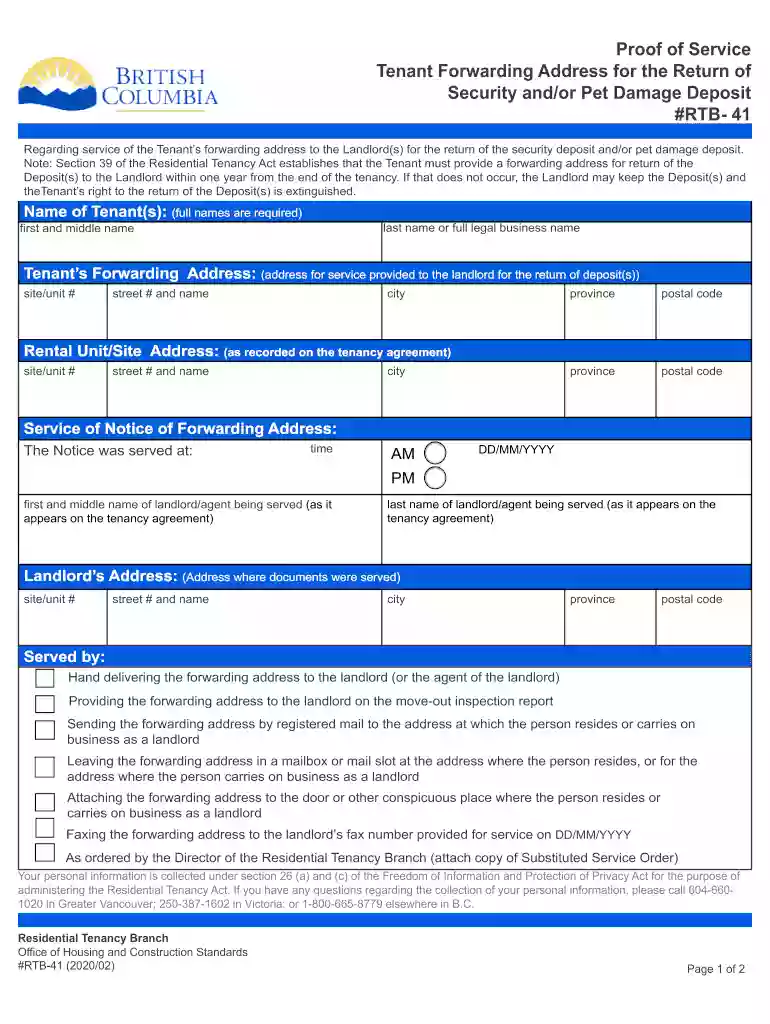
Type text, add images, blackout confidential details, add comments, highlights and more.

Draw your signature, type it, upload its image, or use your mobile device as a signature pad.

Send rtb 41 via email, link, or fax. You can also download it, export it or print it out.
The RTB 41, also known as the Residential Tenancy Branch Form 41, is a vital document in the context of rental agreements. It serves as a Proof of Service for tenants to provide their forwarding address to landlords. This ensures that security and/or pet damage deposits are returned appropriately, as mandated by Section 39 of the Residential Tenancy Act. The form outlines necessary details that must be included, such as tenant information, forwarding address, and the date of service. Proper completion and submission of the RTB 41 ensure compliance with legal obligations and help facilitate a smooth transition at the end of a tenancy.
Gather Necessary Information: Collect all required details, including your tenant information, the new forwarding address, landlord's contact details, and any pertinent tenancy agreement references.
Input Tenant Details: Fill in your personal information accurately. This includes your full name, previous address, contact information, and the date you are providing the form to your landlord.
Provide Forwarding Address: Clearly state the new address where you wish to receive the returned deposit. Verify it for accuracy, as any errors may delay the process.
Specify Date of Service: Indicate the exact date you deliver this form to your landlord. This is crucial for legal compliance and record-keeping.
Submit Form to Landlord: Deliver the completed RTB 41 to your landlord through an approved method, such as personal delivery or registered mail, to ensure proof of receipt.
The RTB 41 is critical for both tenants and landlords in concluding a tenancy agreement responsibly. It ensures that tenants receive their due deposits without unnecessary delay or complications. For landlords, it serves as a documented acknowledgment of the tenant's forwarding address, reducing disputes over where to send refunds. This form also safeguards against future legal issues by providing clear evidence of compliance with Section 39 of the Residential Tenancy Act.
The primary users of the RTB 41 are tenants and landlords involved in residential rental agreements. Tenants submit this form to secure the return of their deposits, while landlords use it to confirm receipt of the tenant's forwarding information. Property management companies and legal professionals in the real estate sector also engage with the RTB 41, ensuring all parties adhere to legal procedures.


Each element should be completed accurately to prevent delays in processing and ensure legal documentation standards are met.
The RTB 41 holds significant legal weight, acting as documentation of compliance with rental agreement terms. Under the Residential Tenancy Act, tenants must provide their forwarding address for deposit returns, and this form serves as official proof of that notification. Failure to submit an RTB 41 may result in delayed return of deposits or potential legal disputes, highlighting the form's importance in legal proceedings.
While the RTB 41 primarily follows federal guidelines under the Residential Tenancy Act, minor variations might exist based on state-specific tenancy laws. Tenants and landlords should familiarize themselves with local regulations that could affect submission timelines or additional requirements. State housing authorities can provide guidance on any specific rules applicable to your location, ensuring both parties comply fully with the law.
Failing to submit a correctly completed RTB 41 can lead to several repercussions. Tenants may face delays in recovering deposits, while landlords may encounter legal challenges if they do not receive proper forwarding information. In some cases, additional financial penalties or legal fees may be imposed, emphasizing the necessity of adhering to all stipulated requirements and deadlines associated with the RTB 41.
By understanding and executing these aspects of the RTB 41, involved parties can navigate the conclusion of tenancy agreements with clarity and legal assurance.
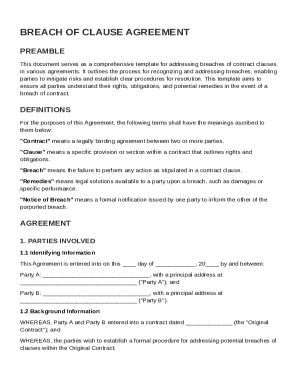
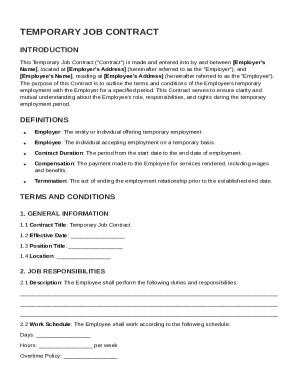
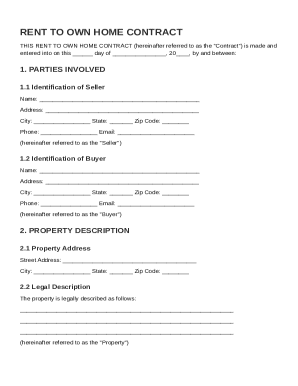
We've got more versions of the rtb 41 form. Select the right rtb 41 version from the list and start editing it straight away!
At DocHub, your data security is our priority. We follow HIPAA, SOC2, GDPR, and other standards, so you can work on your documents with confidence.

This Contents is brought to you for free and open access by the Searchable Ornithological Research Archive at. Digital Commons @ University of South Florida
T597-41 Series Information BALTIMORE CITY REGISTER OF WILLS (Wills) 1852-1983 T597 Date: 1883 Book Name: RTB 52 Description: 52 Liber R T B Location: HF/16/15/


