




Understanding the Motor Vehicle Lease Agreement
A Motor Vehicle Lease Agreement is a contractual document used between a lessor, often a leasing company, and a lessee, such as an individual or entity, to outline the terms under which a vehicle is leased. It serves as a binding legal document that ensures both parties adhere to specific obligations and conditions. Its primary function is to protect both parties' interests by defining their rights and responsibilities during the lease period.
Key Elements of the Agreement
Rental Rates and Duration
- Rental Rates: This section outlines the monthly payment amount, any applicable taxes, and supplemental fees. It is essential for the lessee to understand how these charges accumulate over the lease term.
- Lease Duration: Typically defined in months or years, this clause specifies the total period for which the vehicle is leased. Understanding the time frame is crucial for budget planning and compliance.
Responsibilities of the Lessee
- Maintenance Obligations: The lessee is often responsible for routine maintenance tasks like oil changes and tire rotations. Keeping a log of maintenance work can help avoid disputes.
- Insurance Requirements: Lessees must hold an insurance policy at a level specified in the agreement. This ensures both parties are protected in the event of an accident or damage.
Termination Conditions
- Early Termination Fees: If a lessee decides to end the lease early, this section delineates any associated penalties or fees. The lessee should assess these costs before making a decision.
- Return Conditions: This clause specifies the condition the vehicle should be in upon its return. Excessive wear and tear might incur additional fees.
Steps to Complete the Agreement
- Fill in Personal and Vehicle Information: Ensure accuracy in details such as parties involved, vehicle identification number, and specific terms.
- Read All Terms Carefully: Pay special attention to clauses regarding mileage limits, insurance prerequisites, and maintenance requirements.
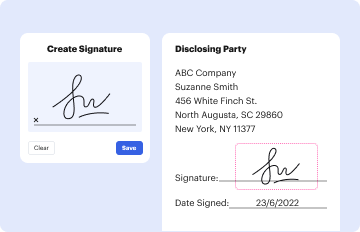
- Initial and Sign: Both parties need to initial all pages and sign where indicated to validate the agreement legally.
Legal Use of the Agreement
In the United States, Motor Vehicle Lease Agreements are subject to federal and state regulations to protect consumers and affirm fair lending practices. The agreement must comply with the Truth in Lending Act (TILA), which mandates clear disclosure of costs and terms associated with the lease.
Important Terms Related to the Agreement
Lessee and Lessor
- Lessee: The party leasing and using the vehicle under the agreement.
- Lessor: The business or entity providing the vehicle and administering the lease.
Mileage Limit
- Specifies the maximum miles a lessee can drive annually. Exceeding this limit results in additional charges, which the lessee must be aware of beforehand.
State-Specific Rules
Different states may have unique requirements or interpretations regarding lease agreements. For example:
- California: May have specific consumer protection laws that extend beyond federal requirements.
- New York: Might regulate lease transfer processes and associated costs distinctly.
Who Typically Uses the Agreement
Motor Vehicle Lease Agreements are common among individuals who prefer not to purchase vehicles due to high costs or businesses that require fleet management. These agreements are ideal for those needing a well-maintained vehicle without the burden of ownership.

Examples of Utilizing the Agreement
Corporate Use
- Companies might lease vehicles to provide employee transportation while optimizing costs through bulk leasing agreements.
- A small business could use this agreement to maintain a few vehicles critical for delivery tasks without the upfront financial burden of purchasing.
In summary, understanding the intricate details of a Motor Vehicle Lease Agreement is crucial for both lessors and lessees to ensure they meet legal obligations and harness the benefits effectively.