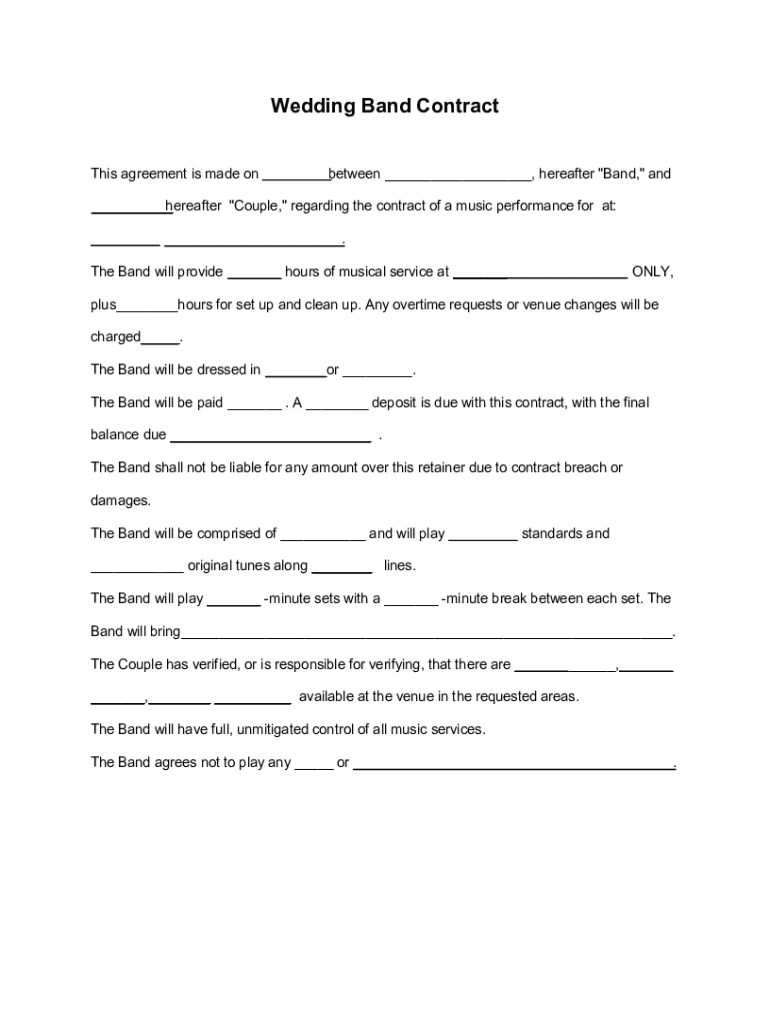







Key Elements of the Wedding Band Contract
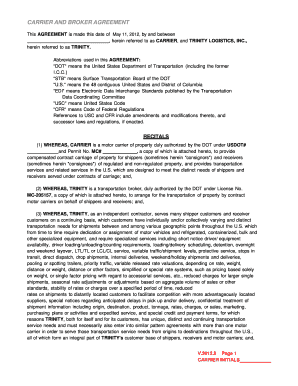
The wedding band contract is a crucial document that outlines the agreement between a couple and a music band to perform at their wedding. Its comprehensive nature ensures that every important aspect of the arrangement is addressed, which minimizes misunderstandings. Key elements of this contract typically include:
- Duration of Service: Specifies the total time the band will perform, including set breaks.
- Payment Terms: Outlines the fee structure and payment schedule, including deposits, final payments, and payment methods.
- Setup Requirements: Details the equipment setup, soundcheck time, and any technical needs the band requires.
- Attire: Describes the dress code for the band to align with the wedding theme.
- Playlist Specifics: Identifies any specific songs or genres the couple wants played, as well as any do-not-play lists.
- Venue Conditions: Covers expectations for the venue, including stage size, power availability, and weather contingencies for outdoor events.
- Overtime Conditions: Addresses fees and conditions if the band is asked to perform beyond the agreed-upon time.
- Liability Limitations: Limits the band's responsibility for any unforeseen issues that may arise during the performance.
Steps to Complete the Wedding Band Contract
Completing a wedding band contract involves several steps that ensure all parties are satisfied with the terms. Here is a step-by-step guide:
- Initial Meeting: The couple and the band should meet to discuss expectations, preferences, and any unique requirements for the event.
- Draft the Contract: Based on the meeting, the band drafts a contract that includes all agreed-upon terms.
- Review and Revise: Both parties should carefully review the contract. This may involve negotiating certain terms or clarifying points for mutual understanding.
- Finalize the Contract: Once changes are made to the satisfaction of both parties, the final contract is prepared.
- Sign the Contract: Both parties sign the contract digitally or in person, making the agreement official.
- Distribute Copies: Each party receives a copy of the signed contract for their records.
Throughout this process, communication is key to ensuring that the final contract meets everyone's needs and expectations.
Legal Use of the Wedding Band Contract
The wedding band contract serves as a legally binding agreement designed to protect the interests of both the couple and the band. Its legal enforceability depends on several factors:
- Mutual Agreement: Both parties must agree to the terms and understand their obligations.
- Consideration: There must be something of value exchanged, typically the performance for payment.
- Capacity: All parties must be legally able to enter into a contract in their state.
- Legality: The contract's terms must not violate any federal, state, or local laws.
This contract is often used to mitigate disputes by providing a clear reference point for the agreed-upon terms.
Important Terms Related to Wedding Band Contract
Several terms are essential to understanding and utilizing a wedding band contract effectively:
- Retainer/Deposit: An upfront payment that reserves the band's services for the specified date.
- Cancellation Policy: Terms under which the contract can be terminated and any associated fees.
- Force Majeure: A clause that addresses unforeseeable events that might prevent the band from performing.
- Indemnity: Agreement to compensate for any loss or damage during the performance.
- Performance Rider: Specific requirements the band needs for a smooth performance, such as meals and dressing rooms.
Familiarity with these terms can help both parties understand their rights and obligations clearly.
Examples of Using the Wedding Band Contract
Practical application of the wedding band contract is crucial for understanding its benefits. Some scenarios include:
- Postponement Needs: If a couple needs to postpone their wedding, the contract outlines how and when changes can be made.
- Equipment Issues: If equipment breaks during setup, the contract details who is responsible for repairs or replacements.
- Unexpected Day-Of Changes: Should a couple request an unexpected song or additional performance time, the contract specifies how adjustments are addressed.
Such examples demonstrate the importance of having a detailed contract to accommodate unforeseen circumstances.
State-Specific Rules for the Wedding Band Contract
While the wedding band contract is generally applicable across the U.S., some states may have specific requirements or legal considerations:
- California: Contracts must adhere to the Entertainment Commission's rules, which might affect alcohol-related terms.
- New York: If performing in a union-regulated venue, the contract may need provisions for union regulations.
- Texas: Outdoor performances must consider local noise ordinances, and contracts should reflect any restrictions.
Understanding these state-specific rules helps ensure the contract is enforceable in the location of the wedding.
Who Typically Uses the Wedding Band Contract
The wedding band contract is primarily used by:
- Couples: To ensure that their entertainment needs are met on their special day.
- Bands/Performers: To secure their financial interests and clarify their performance obligations.
- Venue Coordinators: Sometimes, venues require a copy for reviewing the band's setup and requirements to ensure compliance with their regulations.
These parties use the contract to align their expectations and responsibilities clearly, ensuring smooth coordination.


Why Should You Use a Wedding Band Contract
Utilizing a wedding band contract offers numerous advantages, such as:
- Clarity: Clearly defines roles, responsibilities, and expectations, reducing the chance of miscommunication.
- Protection: Legally protects both parties by outlining protection mechanisms in the event of disputes or cancellations.
- Professionalism: Reflects a professional approach by the band and gives assurance to the couple of a well-managed performance.
- Adaptability: Allows for changes in an organized manner, accommodating unforeseen or evolving needs effectively.
These benefits demonstrate why the contract is essential for any wedding involving musical entertainment.