




01. Edit your doh chrc phone number online
Type text, add images, blackout confidential details, add comments, highlights and more.

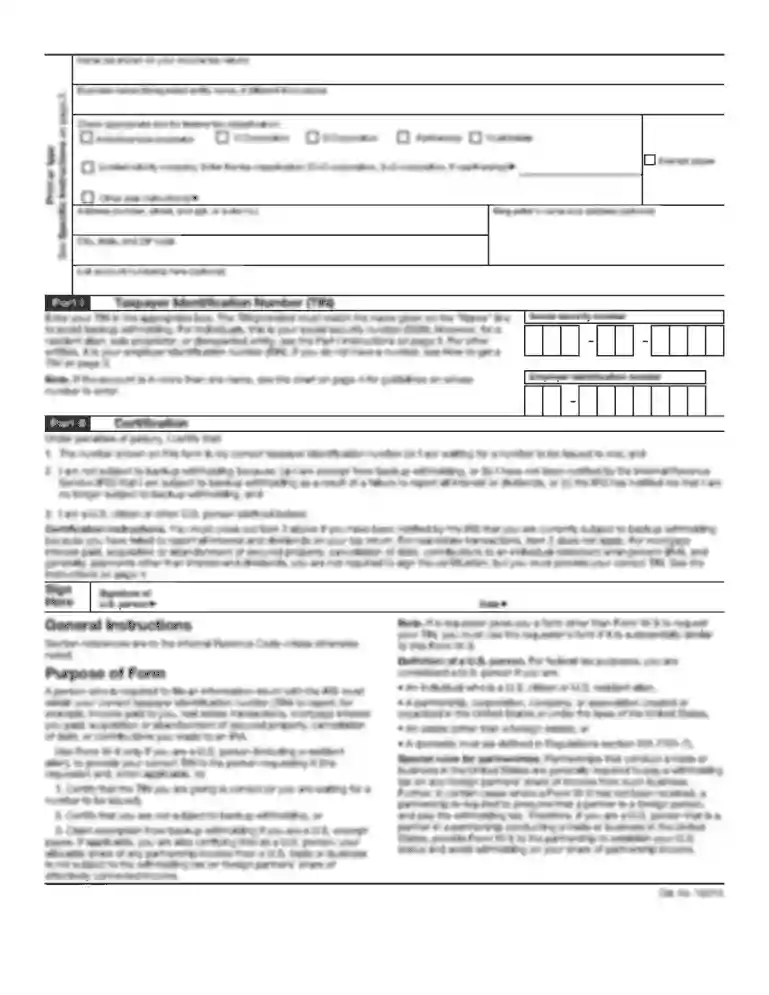
Type text, add images, blackout confidential details, add comments, highlights and more.

Draw your signature, type it, upload its image, or use your mobile device as a signature pad.

Send chrc phone number via email, link, or fax. You can also download it, export it or print it out.
The New York Criminal History Record Check Form is specifically designed to facilitate authorized agencies in requesting criminal history checks for individuals under public health laws. This document is essential for ensuring safety and making informed decisions in roles requiring verified backgrounds. Accurate completion plays a vital role in safeguarding the integrity of the process by maintaining confidentiality and accuracy in handling personal information.
Using the New York Criminal History Record Check Form involves several steps and requires careful attention to detail. Firstly, identify the type of criminal history check needed and gather the relevant personal information of the individual. Ensure the form is filled out with accurate data, reflecting the individual’s full name, date of birth, and social security number if required. Finally, submit the completed form to the authorized entity for processing within the specified timelines.
Review the Instructions: Thoroughly read the guidelines provided with the form to ensure any prerequisites are met.
Prepare Required Information: Gather personal and identifying information needed for the form, such as full name, address, and pertinent identification numbers.
Fill in the Form: Accurately complete each section of the document, paying particular attention to accuracy and legibility.
Review for Accuracy: Double-check all entries to ensure accuracy and completeness before submission.
Submit the Form: Deliver the completed form through preferred submission methods such as online, mail, or in-person to relevant agencies.
Authorized Agency: The organization sanctioned to conduct and request criminal history checks on behalf of public health or safety departments.
Confidentiality: The obligation to protect personal information used in the form from unauthorized access or disclosure.
Legibility: The requirement for all entries on the form to be clear and understandable to ensure it can be processed correctly.
Legal use of this form is typically limited to ensuring compliance with federal and state laws associated with public health and safety. Only authorized agencies with a justified need should initiate criminal history record checks. Unauthorized use can lead to significant legal consequences, hence maintaining the integrity of the process is crucial.
New York has specific requirements that govern the use and processing of the Criminal History Record Check Form. These include adherence to state public health laws and privacy regulations. Agencies must ensure that they comply with these rules to avoid penalties, including ensuring that disclosures are legally permitted under New York law.
Health Positions: Hospitals might require this form for potential employees to ensure patient safety by verifying the backgrounds of staff.
Education Sector: Schools might utilize this form for new hires or volunteers to maintain a safe environment for students.
License Requirements: Certain professions might require a clean criminal history record as part of the licensing process.
Personal Data Fields: Includes areas for full name, date of birth, and other identifying data.
Authorization Section: A consent area where the individual being checked permits the history search.
Submission Instructions: Guides on how and where to send the completed form for processing.
Failure to comply with the requirements associated with this form, such as unauthorized data disclosure or failing to maintain confidentiality, can result in penalties. These penalties can include fines, legal action, and the potential for the loss of licensing for the organization involved. It is, therefore, crucial for entities to handle the form with due diligence and adherence to legal standards.
We've got more versions of the doh chrc phone number form. Select the right doh chrc phone number version from the list and start editing it straight away!
| Versions | Form popularity | Fillable & printable |
|---|---|---|
| 2014 | 4.3 Satisfied (42 Votes) |
At DocHub, your data security is our priority. We follow HIPAA, SOC2, GDPR, and other standards, so you can work on your documents with confidence.
In New York, the Division of Criminal Justice Services (DCJS) keeps your official arrest and conviction history, called a RAP sheet.Read more
Information on how NYS residents can obtain their own criminal history record, and FAQs regarding expungement and Certificates of Relief and Good Conduct.


