







Understanding Section 5: Carbohydrates in Animal Nutrition
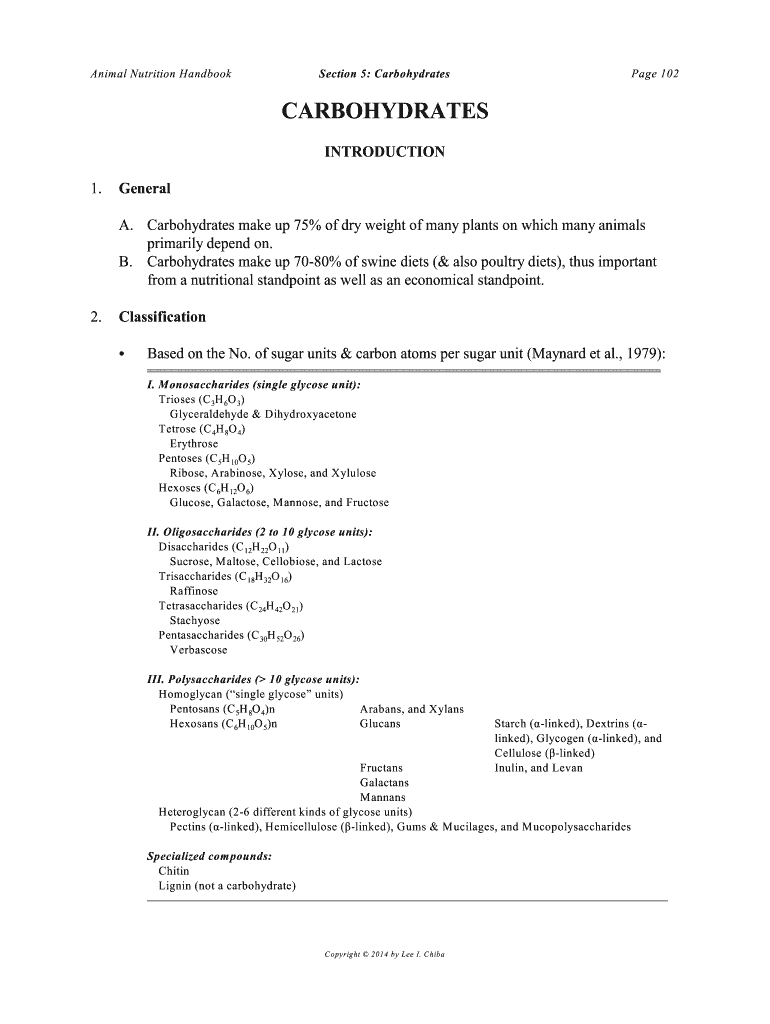
Section 5: Carbohydrates plays a pivotal role in animal nutrition, serving as a primary energy source for various animals, notably swine and poultry. Carbohydrates are categorized into three primary classes: monosaccharides, oligosaccharides, and polysaccharides, each with distinct structural properties. Monosaccharides, the simplest form, consist of single sugar units, while oligosaccharides contain a few sugar units. Polysaccharides, being more complex, are composed of many sugar units linked together. These structures significantly influence their digestion and absorption in animal diets, impacting overall nutritional value.
The Role of Dietary Fiber
Importance in Animal Diets
Dietary fiber, a non-digestible carbohydrate, is crucial for maintaining gastrointestinal health in animals. Although animals primarily obtain energy from carbohydrates, dietary fiber aids in digestion by promoting gut motility and supporting beneficial gut flora. Fiber's role varies across animal species, with herbivores generally requiring higher fiber intake to facilitate optimal digestive function.
Types of Fiber and Their Functions
There are different types of dietary fibers, including cellulose, hemicellulose, and lignin. Cellulose, a major component of plant cell walls, is important for energy production through microbial fermentation in the gut. Hemicellulose works synergistically with cellulose to improve digestion, while lignin provides structural support but is less fermentable, influencing the rate of digestion.
Economic Implications of Carbohydrate Inclusion
Incorporating carbohydrates effectively in animal feed has notable economic benefits. Carbohydrates are typically less expensive compared to other macronutrients, making them a cost-effective energy source. This affordability allows farmers and feed manufacturers to optimize feeding strategies economically, enhancing animal growth and productivity without escalating costs.
Cost-Effectiveness in Feed Formulation
Carbohydrates' cost-effectiveness is evident in their extensive use in feed for swine and poultry, where energy requirements are substantial. By using carbohydrates strategically, feed producers can formulate feeds that meet energy needs while maintaining budget constraints, balancing nutrition and cost.
Digestion and Metabolism in Animals
Digestion Processes
Carbohydrate digestion begins in the mouth with enzymatic actions, followed by further breakdown in the stomach and intestines. Enzymes such as amylases play critical roles in breaking down complex carbohydrates into simpler sugars, which are then absorbed into the bloodstream.
Metabolic Pathways
Once absorbed, sugars undergo various metabolic pathways to supply energy. Glycolysis is the primary process, converting glucose into pyruvate, which can be further utilized in the Krebs cycle, producing ATP – the energy currency of cells. These metabolic processes are fundamental to maintaining energy balance and supporting daily physiological activities in animals.
Practical Examples of Carbohydrate Use
Carbohydrates' application in animal agriculture is vast. In the poultry industry, carbohydrates are essential in broiler chicken diets to meet rapid growth demands. Similarly, in swine production, carbohydrates significantly contribute to achieving desired weight gains efficiently.
- Poultry Industry: Carbohydrates provide rapid energy release needed for broiler chickens that show quick growth rates.
- Swine Production: Swine diets are formulated with carbohydrate-rich cereal grains like corn to support energy needs and improve feed efficiency.
Key Terms Related to Carbohydrates
Understanding specific terms related to carbohydrates is crucial for optimizing animal nutrition.
- Monosaccharides: Simple sugars like glucose crucial for immediate energy.
- Polysaccharides: Complex carbohydrates providing sustained energy release.
- Amylases: Enzymes breaking down starches into simpler sugars.
Variations and Alternatives in Carbohydrate Sources
Different feed stocks can serve as carbohydrate sources. Corn, wheat, and barley are commonly used due to their high carbohydrate content and accessibility. Alternatives like rice bran or molasses can also be considered, especially when formulating feeds for specific dietary requirements or in response to market fluctuations.
Considerations for Source Selection
The choice of carbohydrate source affects not only the energy profile of the feed but also fiber content and palatability. Variations in regional availability and cost may influence decisions regarding which sources to utilize in feed formulation.
Compliance and Regulation in Feed Formulation
Ensuring compliance with nutritional guidelines is critical in feed formulation. Regulatory bodies oversee the nutritional content of animal feeds, setting standards to prevent deficiencies and ensure public safety through the consumption of animal products. These regulations ensure that diets are balanced, promoting optimal animal health and productivity, and safeguarding end consumers.
Exploring Emerging Trends in Carbohydrate Use
Emerging trends in animal nutrition highlight innovations in carbohydrate use. Researchers are exploring prebiotics, which are non-digestible dietary fibers that promote beneficial intestinal microbes. Innovations aren't limited to scientific exploration; shifts in consumer preferences and sustainability considerations are prompting adaptations in carbohydrate sourcing and use.




