






Definition & Meaning
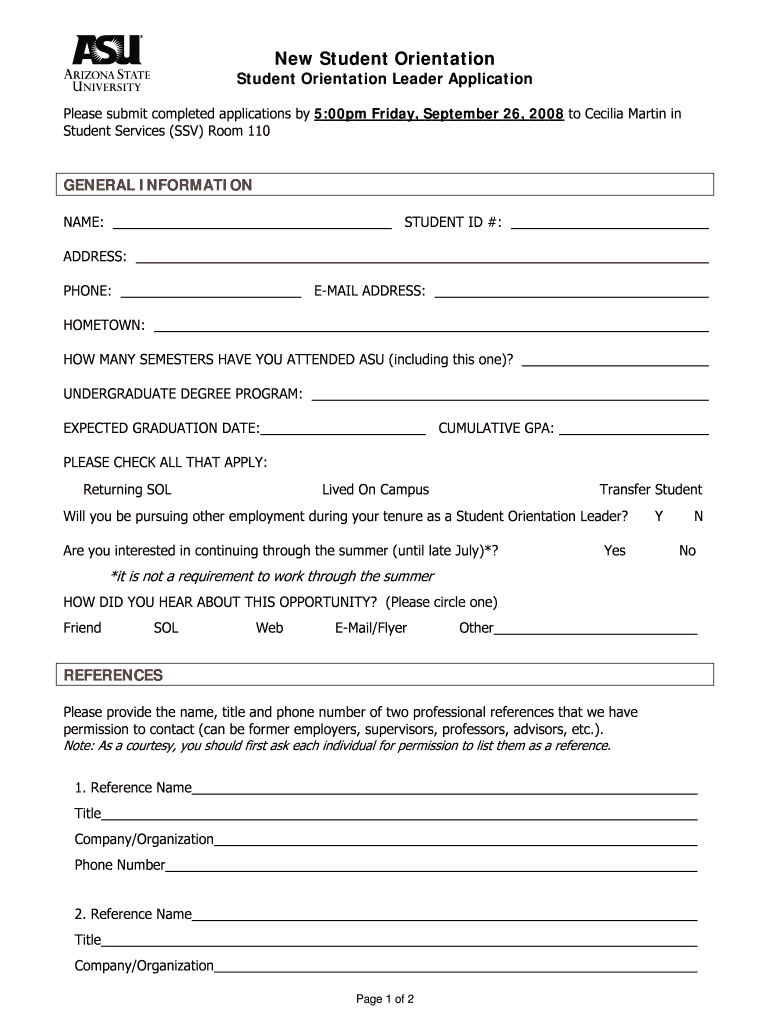
The New Student Orientation at ASU is a comprehensive program designed to help new students acclimate to university life, understand university policies, and connect with peers and faculty. It is more than just a series of events; it serves as a crucial entry point for students to become familiar with the resources and support available at Arizona State University.
Key Objectives
- Acclimate new students to the campus environment.
- Provide information about university programs and services.
- Facilitate connections between students and ASU faculty or staff.
- Guide students in understanding academic expectations and social opportunities.
Why It Matters
The transition to university life can be overwhelming, and the New Student Orientation ensures students have the tools and knowledge needed to start their academic careers successfully. By participating in orientation, students can reduce anxiety, make informed decisions, and find a sense of community.
How to Use the ASU Students Site for Orientation
The ASU Students Site is a robust platform that provides essential information and resources specifically tailored for ASU students. To maximize the benefits of the New Student Orientation:
- Log In: Ensure you have your ASUrite ID and password ready to access all the materials available on the site.
- Explore Resources: Navigate through different sections such as academic advising, student services, and extracurricular activities.
- Register for Events: Sign up for orientation sessions and other preliminary events that fit your schedule.
- Access Online Materials: Participate in any required virtual modules or webinars.
Steps to Complete the Orientation Process
Participating in the New Student Orientation is essential for setting a strong foundation at ASU. Following these steps can ensure a comprehensive and fulfilling experience:
- Pre-Orientation Checklist: Complete tasks such as registration, steering through financial aid options, and housing arrangements.
- Attendance: Engage in both mandatory and optional sessions to gain the widest perspective of university life.
- Follow-Up Activities: Take part in mixers, training sessions, and workshops to further integrate into the ASU community.
Who Typically Uses the Orientation Program
The orientation program primarily targets new undergraduates—both first-year students and transfers—helping them acclimate to a new academic environment. However, graduate students and international students also participate in specialized sessions that cater to their unique needs.


Participant Categories
- First-Year Students: Acquiring foundational knowledge.
- Transfer Students: Understanding the equivalence and transfer of credits.
- International Students: Focusing on visa, cultural adaptations, and language support.
- Graduate Students: Delving into advanced study requirements and networks.
Important Terms Related to Orientation
Understanding the jargon used during the New Student Orientation can enhance a student's comprehension and involvement:
- ASUrite ID: The unique identifier for all ASU students, used for accessing university resources.
- DARS Report: Degree Audit Reporting System, a tool used for tracking academic progress.
- SIS: Student Information System, where personal, academic, and registration information is stored.
- Canvas: The learning management system used to access course materials and assignments.
Legal Use of Orientation Information
It is imperative for students to respect the privacy and use stipulations associated with the materials provided during orientation. Resources must be used only for personal educational purposes and should not be redistributed without explicit permission.
Compliance Points
- Do not share login information for ASU digital platforms.
- Ensure adherence to data protection policies concerning personal and academic records.
Key Elements of the Orientation Program
The orientation program is structured to provide not only general information but specific, actionable guidance. Key components include:
- Information Sessions: Covering academics, student life, and campus security.
- Advising Appointments: Aligning you with the appropriate advisor based on your major.
- Social Events: Offering opportunities to meet other new students and build friendships.
Essential Sessions
- Academic Preparation: Provides an overview of course registration, major selection, and academic support resources.
- Campus Safety: Educates students on emergency procedures and available safety resources.
Examples of Using the Orientation Site Successfully
Students who maximize the use of the ASU Students Site often share similar experiences:
- A student successfully navigated academic advising and selected classes best suited to their degree path.
- Another utilized the ASU resources page to find mental health support and joined several student organizations.
Case Study: Transfer Student Success
A transfer student used the site to connect with advisors who helped in mapping out a clear path to graduation, including understanding how previous credits would transfer and which new courses needed to be prioritized.